 en
en  русский
 한국어
한국어 get a free quote

Content
- 1 Introduction to Clothing Metal Trims
- 2 Types of Metal Trims in Clothing
- 3 Impact of Metal Trims on Textile Performance
- 4 Compatibility with Different Textile Materials
- 5 Attachment Methods and Their Effects
- 6 Care Considerations for Metal Trim Garments
- 7 Comparative Overview of Textile and Metal Trim Interactions
- 8 Conclusion
Introduction to Clothing Metal Trims
Metal trims are essential decorative and functional components in modern clothing. They include buttons, zippers, rivets, studs, eyelets, buckles, and chains. Beyond aesthetics, metal trims can reinforce seams, provide closure mechanisms, and add structural support to garments. Their interaction with textile materials is critical, influencing durability, comfort, and overall garment performance.
Understanding the compatibility between metal trims and textile materials helps designers, manufacturers, and consumers make informed decisions. Factors such as fabric type, weave density, finish, weight, and care requirements determine how effectively a metal trim can integrate into clothing without causing damage or discomfort.
Types of Metal Trims in Clothing
Metal trims come in a wide range of styles and functions. Each type interacts differently with textiles depending on its design, finish, and method of attachment.
Buttons and Snaps
Metal buttons and snaps are commonly used in jackets, jeans, and workwear. They can be sewn directly onto fabric or attached via rivets. Their interaction with textiles depends on:
- Fabric thickness: Thin fabrics may pucker under the weight of metal buttons.
- Reinforcement: Backing fabric or interfacing can distribute stress and prevent tearing.
- Movement: Buttons and snaps must allow flexibility without creating hard points that hinder garment comfort.
Zippers
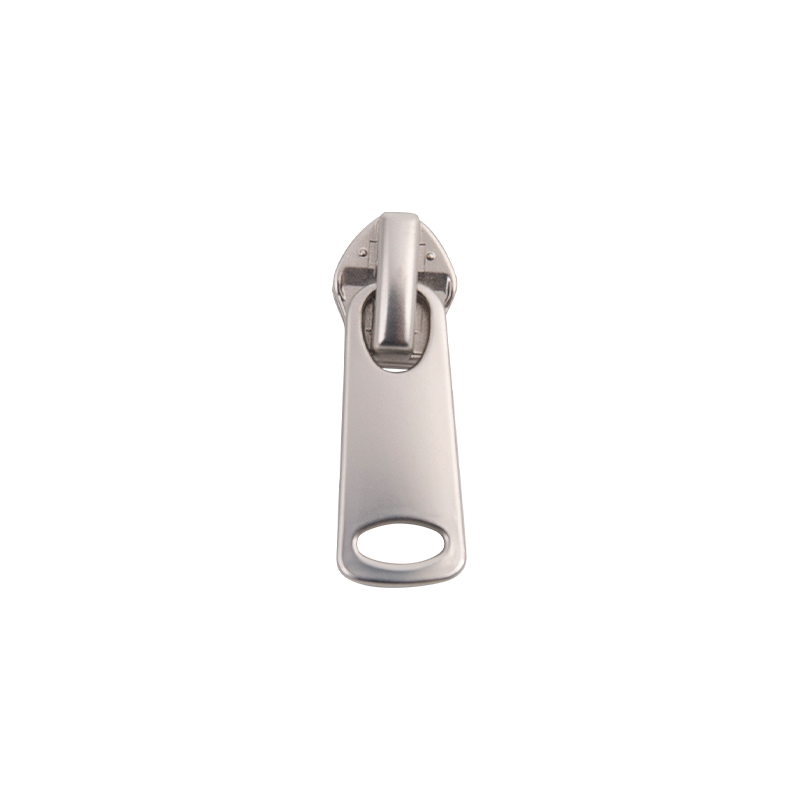
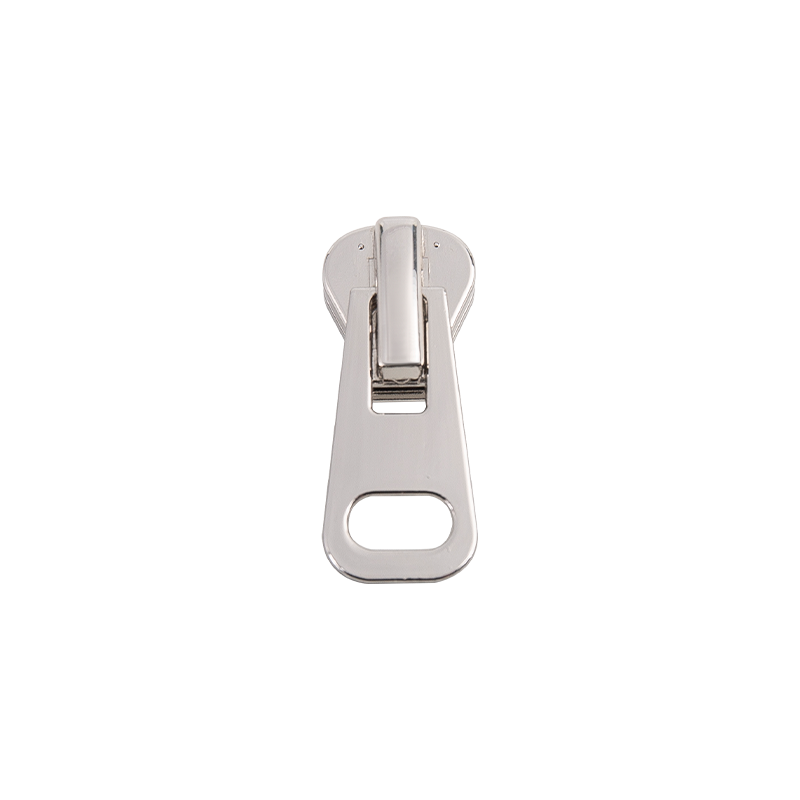
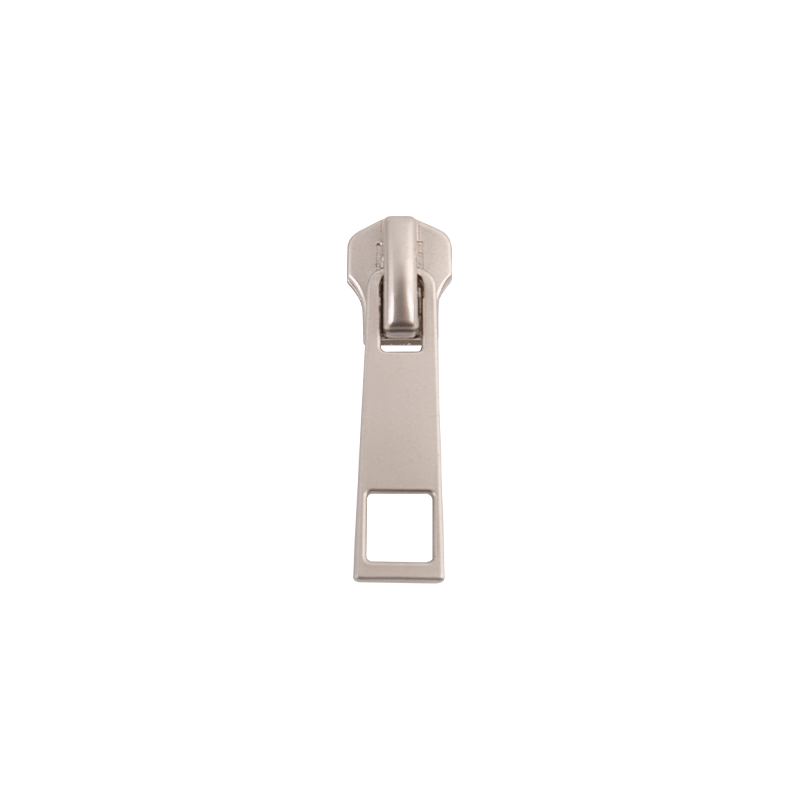
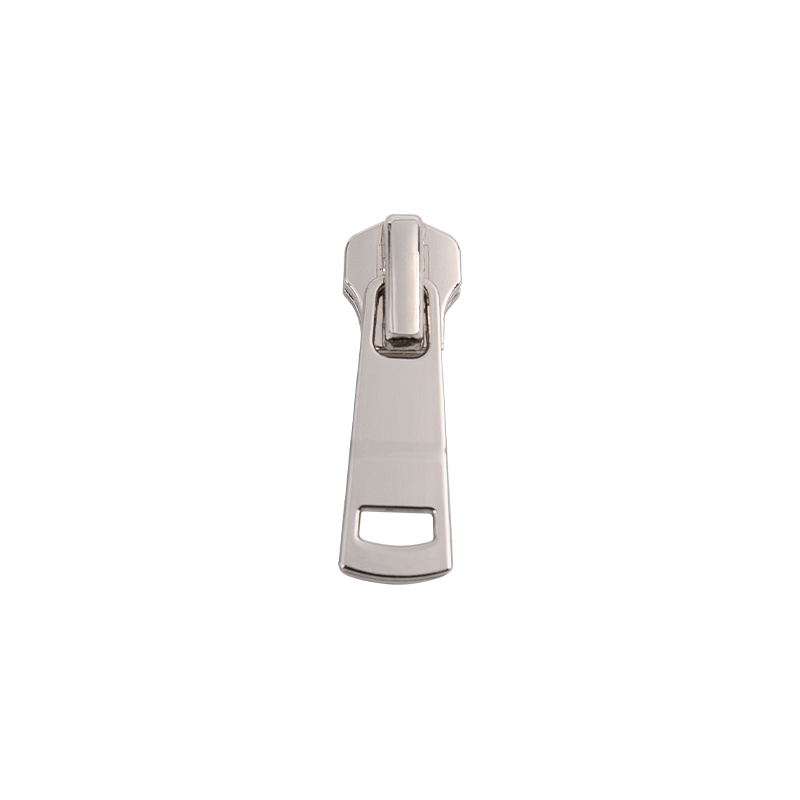
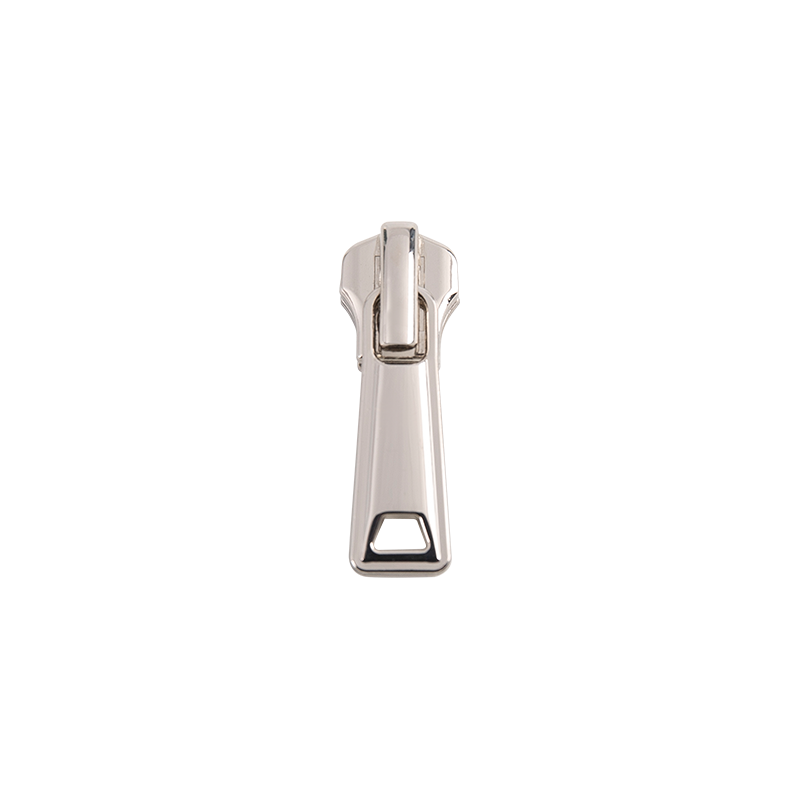
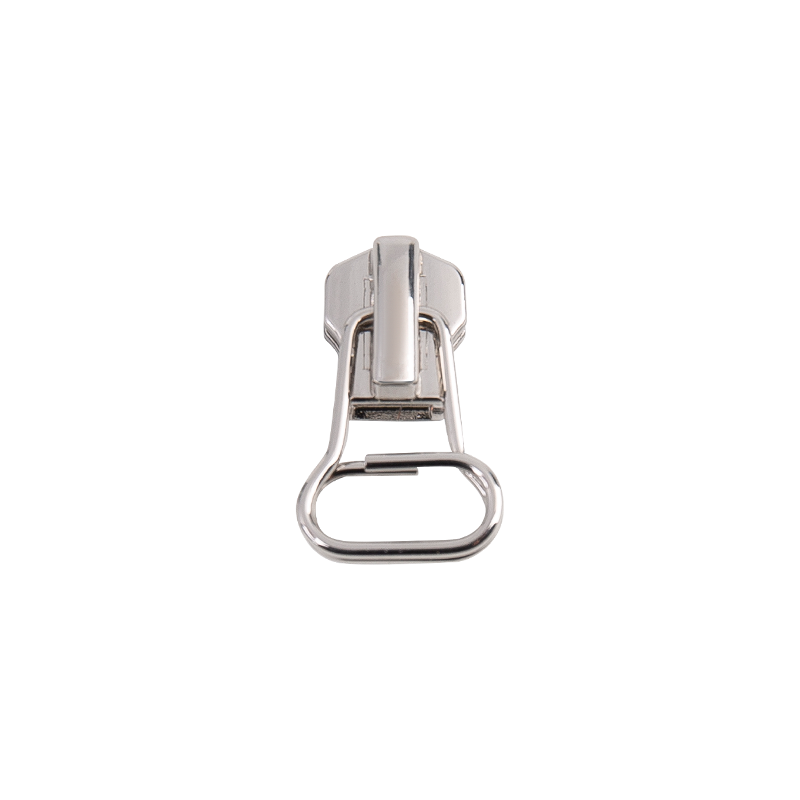
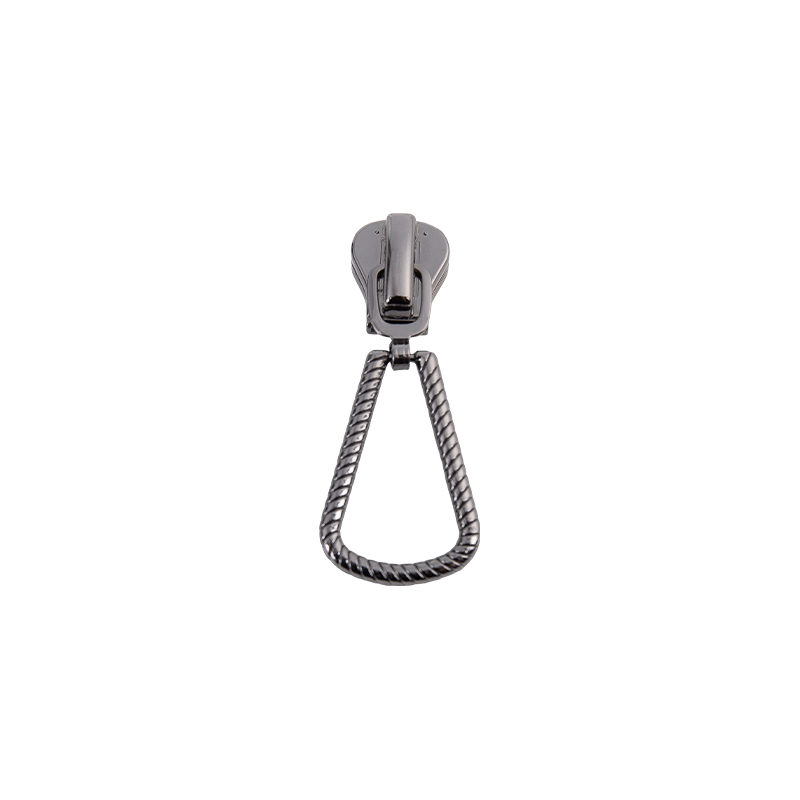
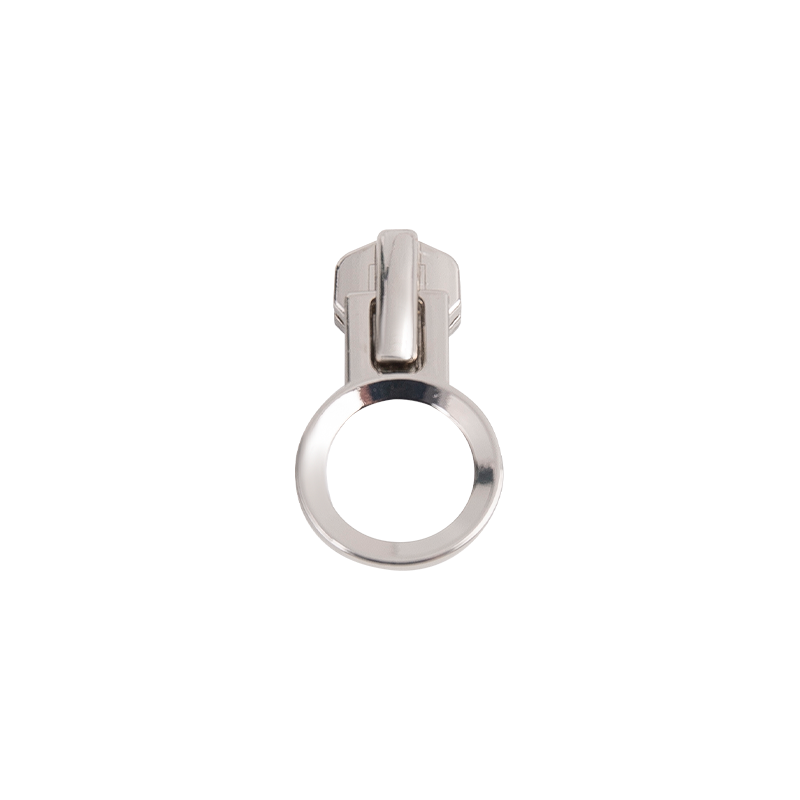
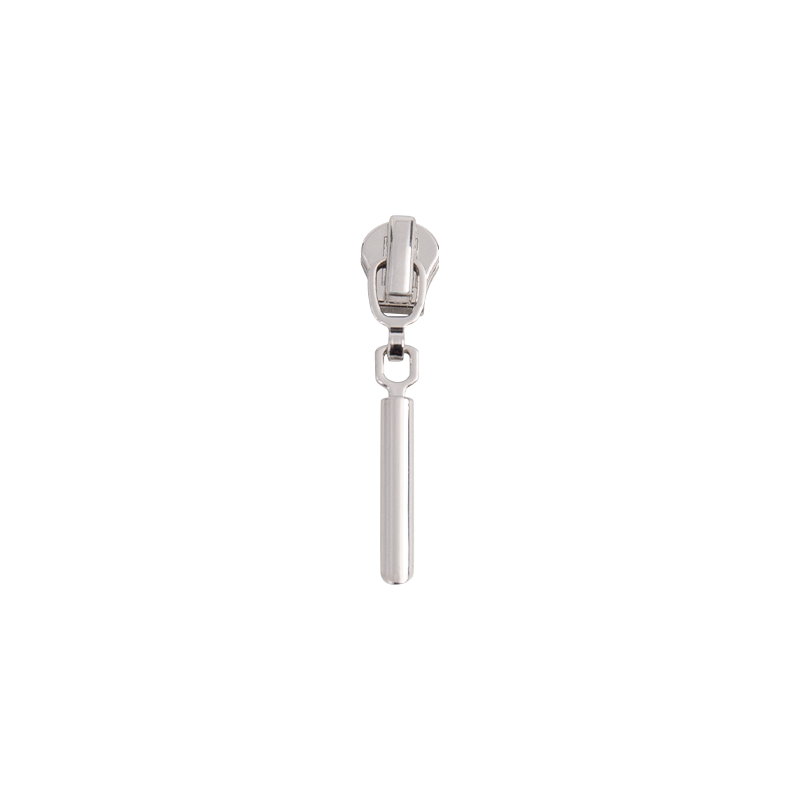
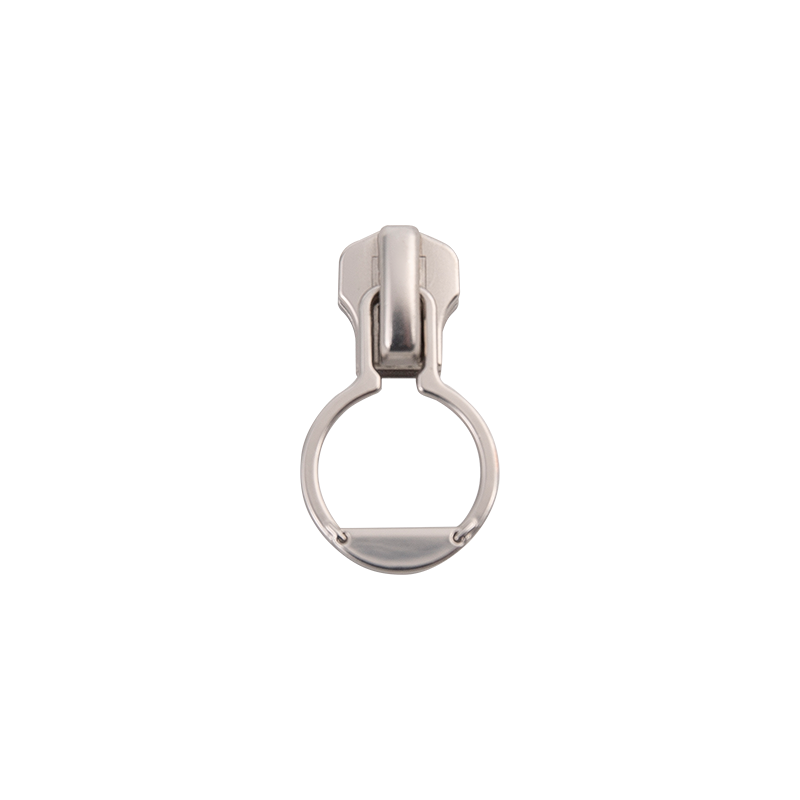
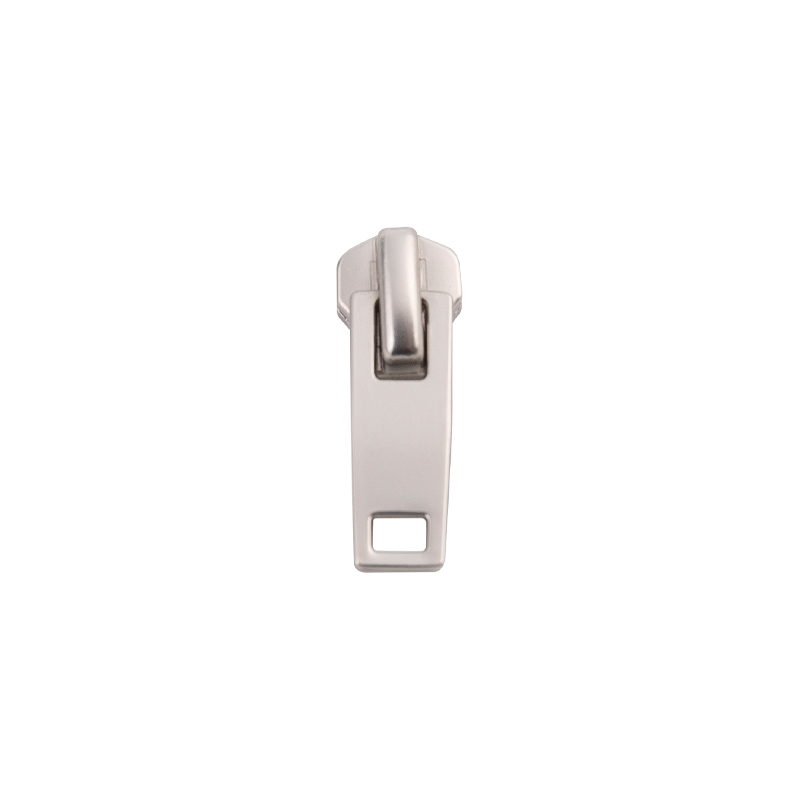
Metal zippers are durable and visually appealing, often used in jackets, pants, and bags. Interaction with textile materials is influenced by:
- Fabric weave: Sturdy weaves like denim or canvas support heavy metal zippers, while delicate fabrics may require lighter zippers or reinforcement tape.
- Attachment method: Stitching must secure the zipper teeth and tape without causing distortion.
- Flexibility: Metal zippers add stiffness, affecting drape and comfort in soft fabrics.
Studs, Rivets, and Eyelets
Studs, rivets, and eyelets are primarily used for decorative or reinforcement purposes. Their interaction with textiles includes:
- Stress distribution: Proper placement ensures that the fabric does not tear under tension.
- Surface finish: Smooth finishes prevent abrasion against the textile fibers.
- Compatibility: Lightweight fabrics may require smaller or hollow trims to maintain fabric integrity.
Impact of Metal Trims on Textile Performance
Metal trims can enhance functionality and aesthetics, but they also affect textile performance in several ways:
Durability and Wear
When properly attached, metal trims can extend the lifespan of garments by reinforcing stress points, such as pockets, collars, and cuffs. For example, rivets on jeans prevent seam tearing, while eyelets distribute strain in lace-up garments. Conversely, poorly attached trims can puncture, tear, or distort fabrics over time.
Weight and Flexibility
The weight of metal trims impacts the drape and flexibility of textiles. Heavy trims on lightweight fabrics can pull, sag, or stretch the material. Designers often balance aesthetic appeal with fabric strength, sometimes reinforcing areas with interfacing or lining to support the metal components.
Abrasion and Surface Interaction
Metal trims in contact with textiles can cause abrasion over time. Smooth, rounded trims minimize fiber damage, while rough or sharp-edged trims can fray or weaken fabric fibers. Coatings like nickel, brass plating, or powder-coated finishes can reduce friction and protect both the trim and textile.
Compatibility with Different Textile Materials
The interaction between metal trims and textiles varies depending on fiber type, weave, and thickness:
Natural Fibers
Cotton, linen, silk, and wool react differently to metal trims:
- Cotton: Strong but can pucker with heavy metal buttons or zippers if not reinforced.
- Linen: Breathable but prone to tearing under concentrated metal stress; backing or interfacing is recommended.
- Silk: Delicate; light trims or covered buttons minimize fiber damage.
- Wool: Thick and resilient; supports heavier trims but may stretch over time with constant pull.
Synthetic Fibers
Polyester, nylon, and blends have different considerations:
- Generally more resistant to tearing, allowing for heavier metal trims.
- Smoother surfaces may reduce friction, but high-stretch fabrics may cause metal trims to loosen over time.
- Heat sensitivity of synthetics requires careful attachment methods, such as stitching rather than heat-based bonding.
Blended Textiles
Blended fabrics combine natural and synthetic fibers, balancing strength and comfort. Metal trims must be selected and positioned to account for fiber mix, elasticity, and weave density to prevent fabric distortion and maintain garment appearance.
Attachment Methods and Their Effects
The way metal trims are attached influences how they interact with textiles:
- Sewing: Provides flexibility and minimizes damage but requires precise stitching to prevent fabric stress.
- Riveting: Ideal for denim or heavy fabrics; distributes stress but punctures the textile permanently.
- Heat Bonding: Rarely used for metal trims due to synthetic fabric sensitivity and metal conductivity.
- Snap or Clip Fasteners: Easy to remove or replace but may loosen fabric over repeated use.
Care Considerations for Metal Trim Garments
Metal trims affect how garments are laundered and maintained. Improper care can tarnish metals or damage textiles:
- Machine washing may scratch delicate fabrics with exposed metal trims.
- Moisture and detergents can accelerate corrosion in untreated metal trims.
- Protective measures include hand washing, garment bags, or applying metal coatings to prevent rust and discoloration.
- Dry cleaning is recommended for garments with intricate or delicate metal decorations.
Comparative Overview of Textile and Metal Trim Interactions
The following table summarizes the interaction between common textiles and metal trims in clothing:
| Textile | Weight Support | Abrasion Risk | Care Sensitivity |
| Cotton | Medium-High | Low-Medium | Medium |
| Linen | Medium | Medium | Medium-High |
| Silk | Low-Medium | High | High |
| Polyester | High | Low | Low-Medium |
Conclusion
Metal trims play a critical role in both the functionality and aesthetics of clothing. Their interaction with textile materials affects durability, weight distribution, flexibility, and maintenance requirements. By understanding fabric characteristics, trim types, attachment methods, and care considerations, designers and manufacturers can ensure that garments retain both style and performance while providing comfort and longevity to the wearer.