 en
en  русский
 한국어
한국어 get a free quote

Content
- 1 Understanding Invisible Zippers
- 2 Design and Placement Impact on Comfort
- 3 Material and Flexibility Considerations
- 4 Durability and Long-Term Comfort
- 5 Comparison of Invisible Zippers vs Regular Zippers
- 6 Installation Quality and Comfort
- 7 Suitability for Different Garment Types
- 8 Tips to Maximize Comfort with Invisible Zippers
- 9 Conclusion: Invisible Zippers and Wearing Comfort
Understanding Invisible Zippers
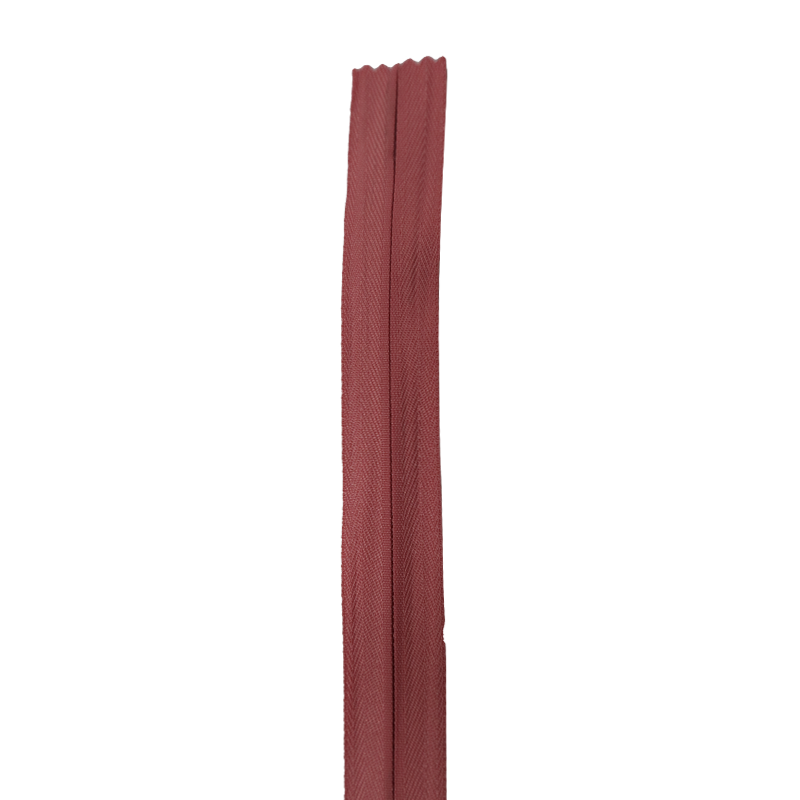
Invisible zippers are specialized zippers designed to be concealed within the seam of a garment. Unlike standard zippers, their teeth are hidden beneath the fabric fold, making them nearly invisible from the outside. This feature has made them popular in high-end apparel, bridal gowns, dresses, skirts, and tailored pants. While aesthetics is a key advantage, many people wonder whether the design and installation of invisible zippers influence wearing comfort.
The comfort of a garment depends not only on the fabric and fit but also on the functionality of closures like zippers. Invisible zippers can affect how easily a garment is worn, how it feels against the skin, and whether it restricts movement or causes irritation.
Design and Placement Impact on Comfort
The location and design of an invisible zipper play a significant role in wearing comfort. Most invisible zippers are positioned in seams at the side, back, or center of a garment. When correctly aligned, the zipper allows for easy opening and closing without affecting the garment's fit or silhouette.
Incorrect placement, such as too close to the skin or in areas with high movement, can cause rubbing or discomfort. Designers often take into account body contours and fabric stretch when determining zipper placement to minimize potential irritation.
Seam Integration and Smoothness
Invisible zippers are sewn in a way that the teeth are concealed under the fabric. This seamless integration reduces the likelihood of chafing against the skin. High-quality invisible zippers use fine teeth and soft tape, which enhances smoothness and reduces bulkiness.
Material and Flexibility Considerations
The materials of both the zipper and surrounding fabric affect comfort. Nylon or polyester invisible zippers are lightweight and flexible, conforming to body movements more easily than metal zippers. Fabrics with stretchability work well with invisible zippers, allowing the garment to flex naturally during movement.
Rigid fabrics or tightly fitted garments may exaggerate the zipper’s presence, causing minor discomfort if the garment is worn for long periods. Selecting zippers and fabrics that complement each other is key to maintaining comfort without sacrificing aesthetic appeal.
Effect on Mobility
Invisible zippers generally have minimal impact on mobility when installed correctly. Because the zipper is thin and sewn flush with the fabric, it does not create significant stiffness. However, in areas like tight sleeves, back panels, or high-waist skirts, improper zipper length or placement can restrict movement or create tension.
Durability and Long-Term Comfort
The durability of an invisible zipper also influences long-term wearing comfort. High-quality zippers resist snagging, maintain alignment, and slide smoothly. If a zipper becomes misaligned, stiff, or starts catching fabric, it can create discomfort and make the garment harder to wear.
Regular maintenance, including gentle washing and avoiding forcing the zipper, helps preserve its functionality and ensures the garment remains comfortable over time.
Comparison of Invisible Zippers vs Regular Zippers
| Aspect | Invisible Zipper | Regular Zipper |
| Visibility | Hidden | Exposed |
| Seam Smoothness | Smooth, flush with fabric | May create bulk or ridges |
| Skin Contact Comfort | High, minimal irritation | Variable, potential rubbing |
| Flexibility | High with nylon/polyester | Moderate, depends on material |
Installation Quality and Comfort
The comfort of an invisible zipper also depends heavily on the sewing technique. Precise stitching ensures the zipper lies flat within the seam and does not cause bulging or misalignment. In high-quality garments, invisible zippers are reinforced at the ends to prevent separation or snagging.
Poor installation, however, can lead to puckering, uneven closure, or pressure points that reduce wearing comfort. Therefore, attention to craftsmanship is essential when assessing how an invisible zipper will affect the overall feel of a garment.
Suitability for Different Garment Types
Invisible zippers are most effective in garments where a clean aesthetic is prioritized, such as dresses, skirts, formal wear, and tailored pants. In these applications, the zipper does not interfere with comfort because it is thin and integrated into a seam.
For garments requiring frequent opening and closing or those made from very thick fabrics, invisible zippers may feel slightly stiffer or less smooth than regular zippers. Choosing the correct zipper length, material, and tape flexibility is crucial for maintaining comfort.
Tips to Maximize Comfort with Invisible Zippers
- Select nylon or polyester invisible zippers for flexibility and smoothness.
- Ensure proper placement to avoid areas of high skin contact or tension.
- Use high-quality stitching to prevent puckering or bulging.
- Pair with suitable fabrics that complement zipper flexibility and stretch.
- Regular maintenance, including gentle washing, ensures smooth sliding over time.
Conclusion: Invisible Zippers and Wearing Comfort
When properly selected and installed, invisible zippers do not negatively affect wearing comfort. Their hidden design, smooth seam integration, and flexibility make them highly suitable for garments where aesthetics and subtlety are key. High-quality materials and craftsmanship ensure that invisible zippers remain smooth, non-irritating, and convenient for everyday wear.
By considering fabric type, zipper material, placement, and installation quality, designers and wearers can enjoy the benefits of an invisible zipper without compromising on comfort.