 en
en  русский
 한국어
한국어 get a free quote

Content
What Makes a Jacket Zipper Different
Not all zippers are built the same. A jacket zipper—technically called an open-end separating zipper—splits completely in two at the bottom, allowing the garment to open fully. This design requires two components found on no other zipper type: the insertion pin and the retainer box. According to ASTM D2050, the industry standard terminology for zipper components, each part of a separating zipper carries a defined role that determines the zipper's performance and repairability.
Whether you're a garment manufacturer sourcing components or a tailor handling a repair, knowing what each part does—and when it can be replaced independently—saves time and money. Below is a complete breakdown of every jacket zipper part.
For a reliable starting point, explore our range of finished metal jacket zippers suited for outerwear and heavy-duty applications.
The Slider: The Heart of the Zipper
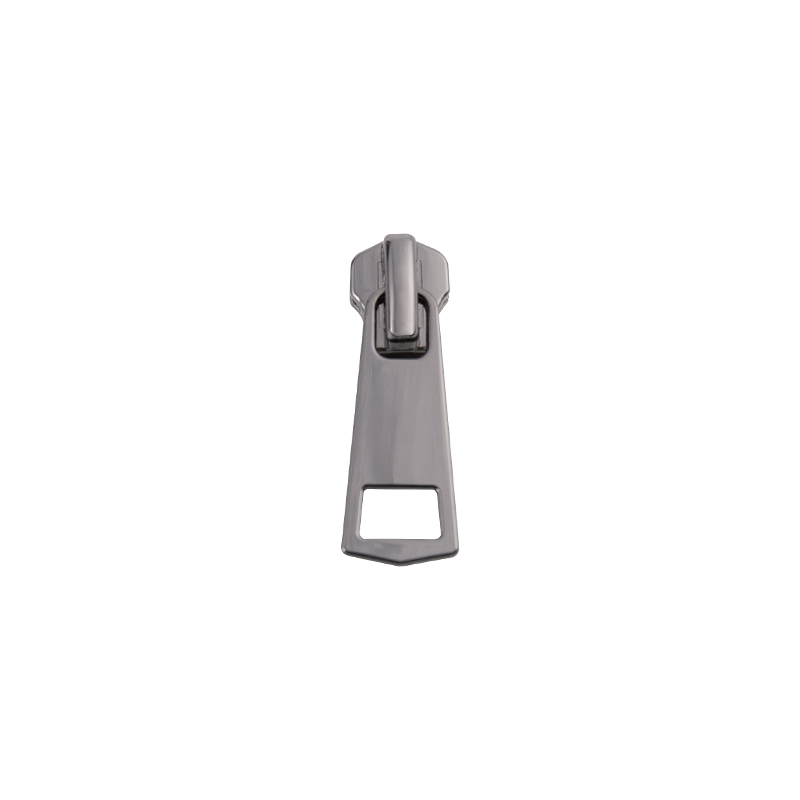
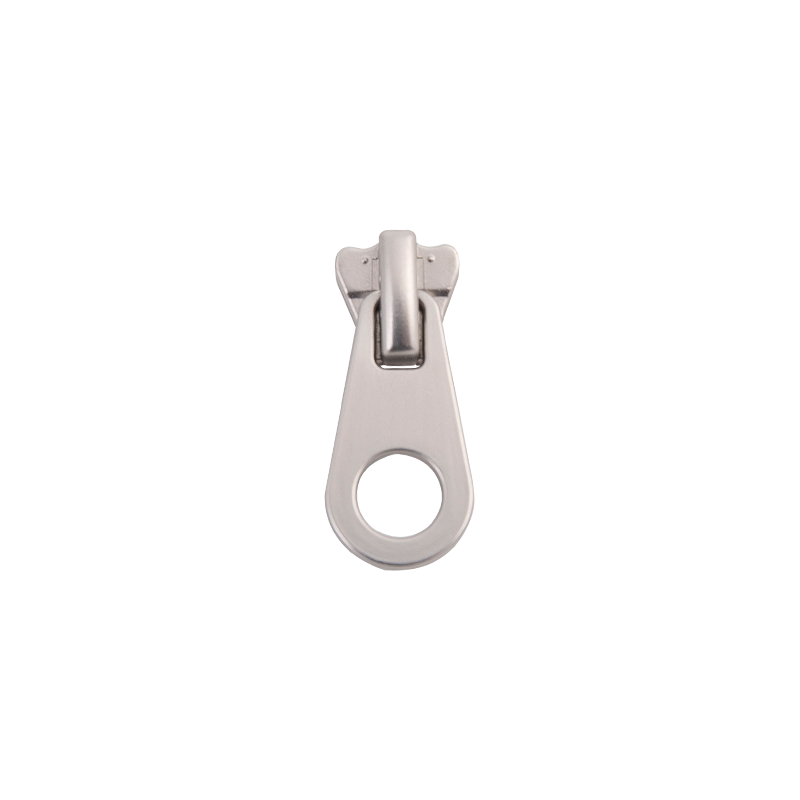
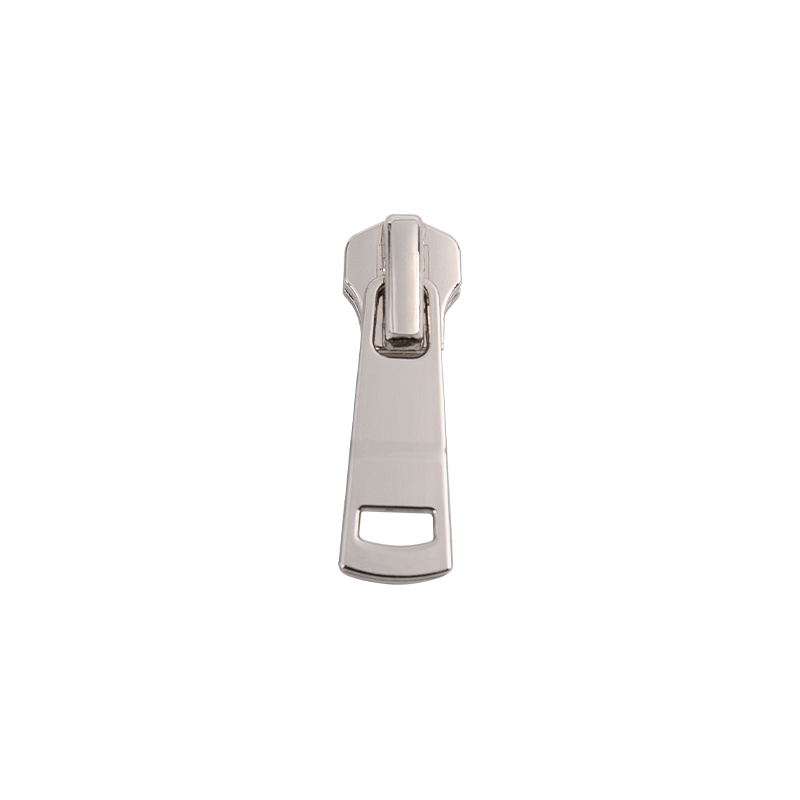
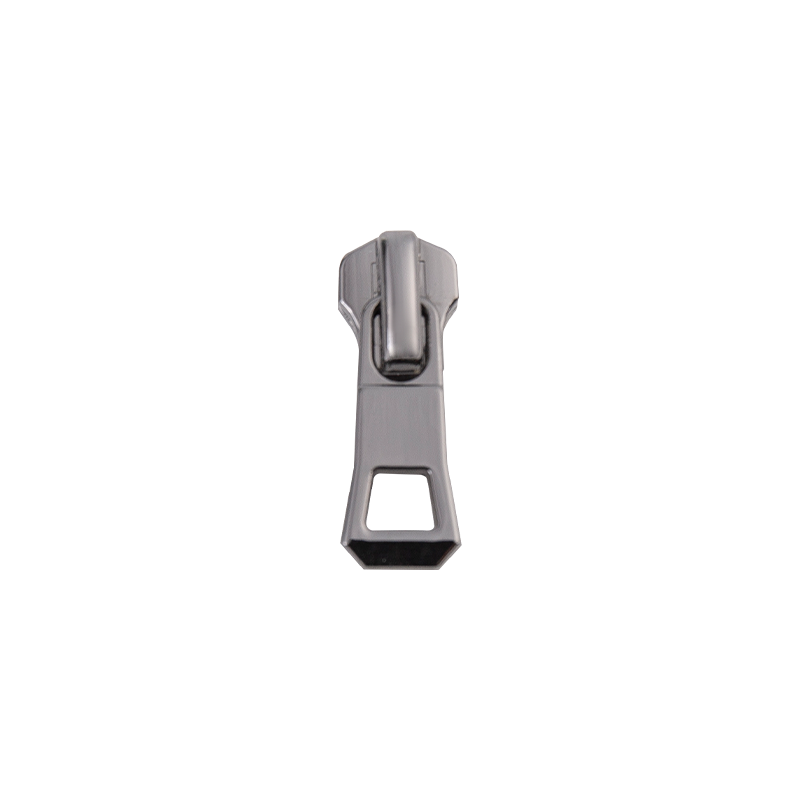
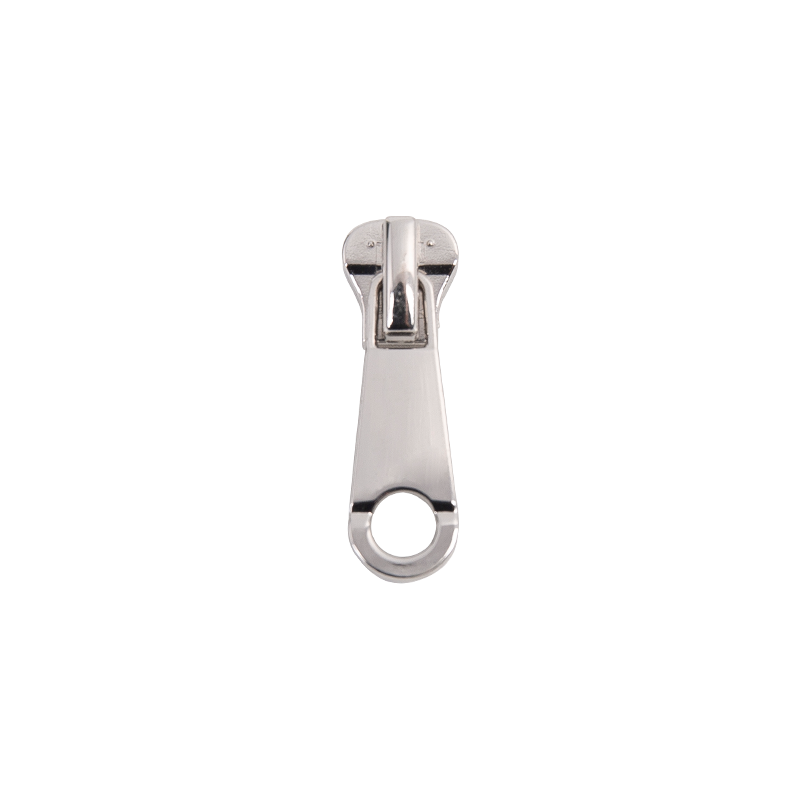
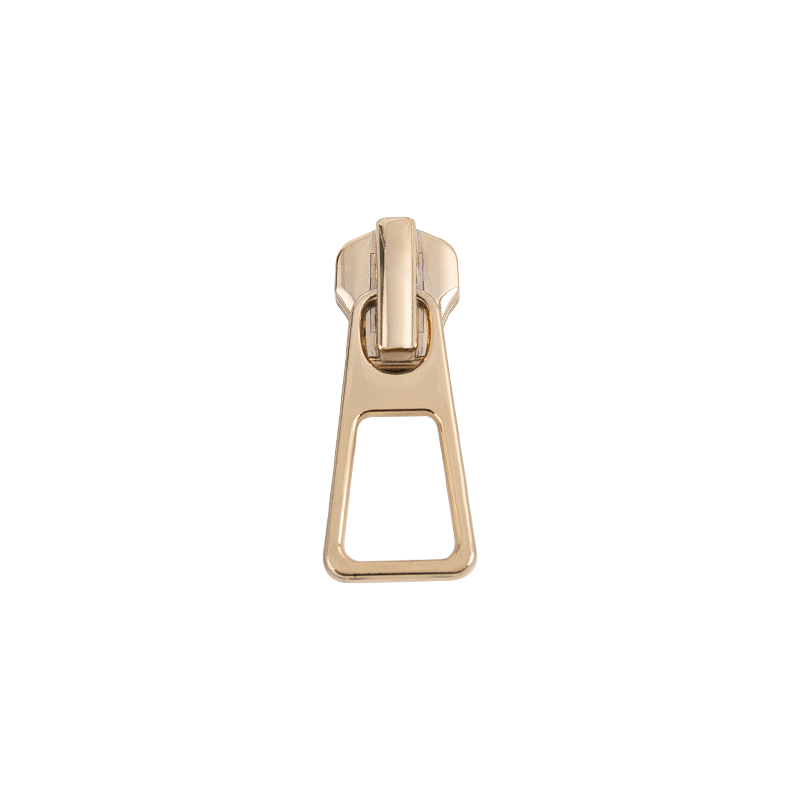
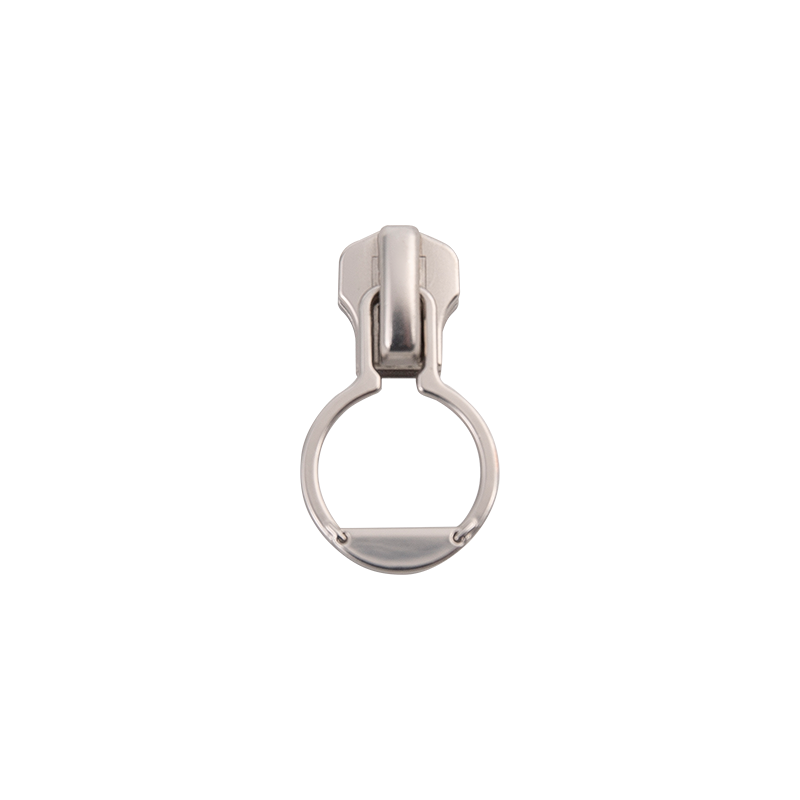
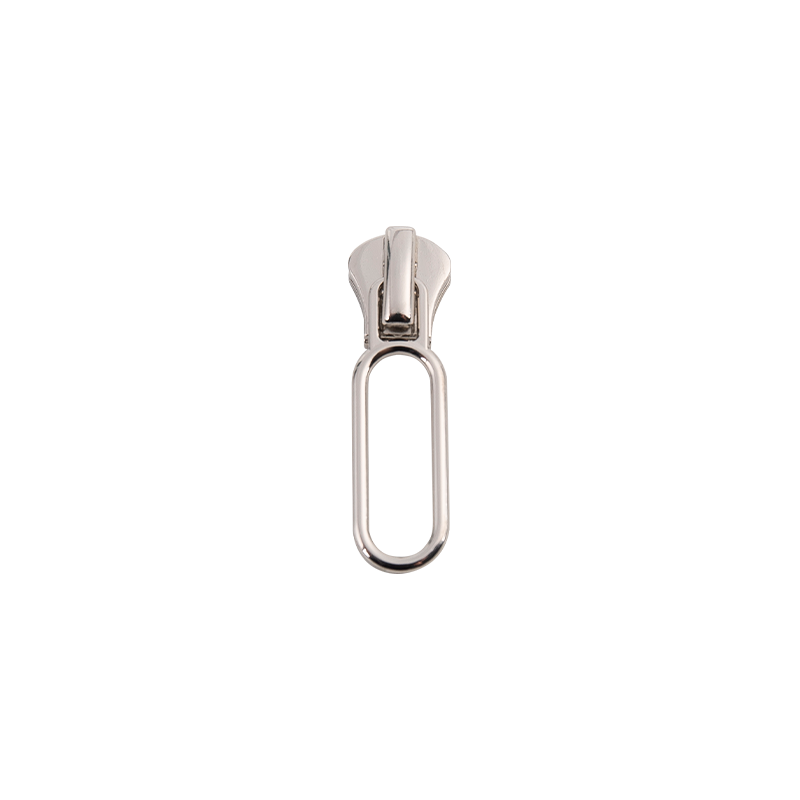
The slider is the component you physically move to open or close a zipper. Inside its Y-shaped channel, a precisely engineered wedge interlocks or separates the teeth as it travels along the chain. Every slider is rated by a size number—#3, #5, #8, or #10—where the number reflects the width of the closed chain in millimeters. A #5 slider will only work on a #5 chain; mixing sizes causes the slider to skip or jam.
Sliders also differ by locking mechanism. An auto-lock slider holds its position the moment you release it, making it the preferred choice for outerwear worn in active conditions. A non-lock slider moves freely and is better suited for interior pockets or lightweight layers. The size and type are typically stamped on the back of the slider body.
When a zipper starts separating behind the slider or won't stay closed, the slider is usually the first suspect. Its channel widens with wear, losing the grip needed to mesh the teeth cleanly. In most cases, replacing the slider alone is sufficient—no need for a full zipper replacement. Browse our nylon zipper sliders for jacket applications in multiple sizes and locking configurations.
Pull Tab: Function and Style
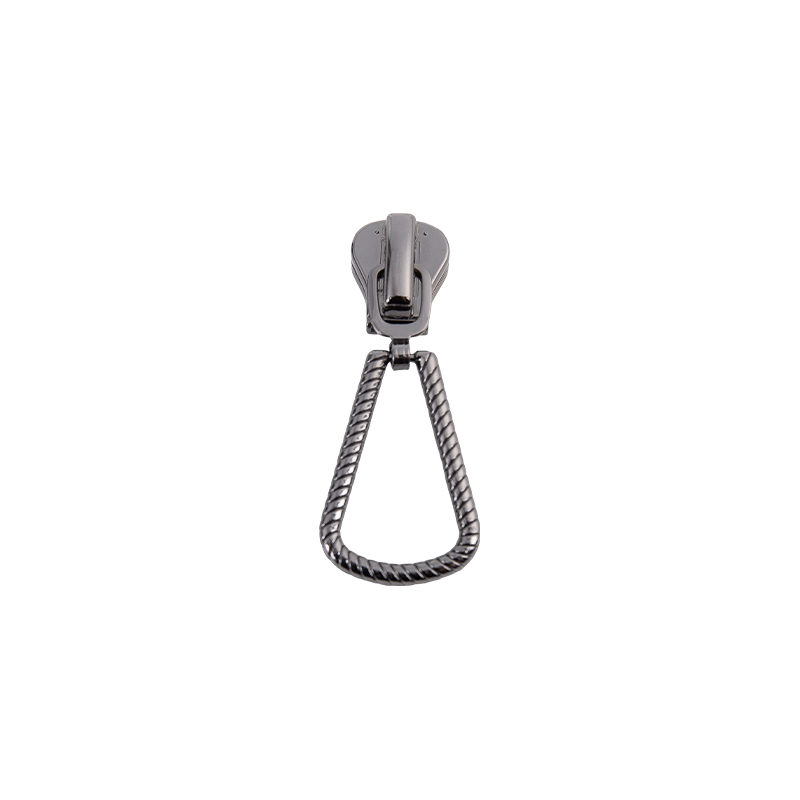
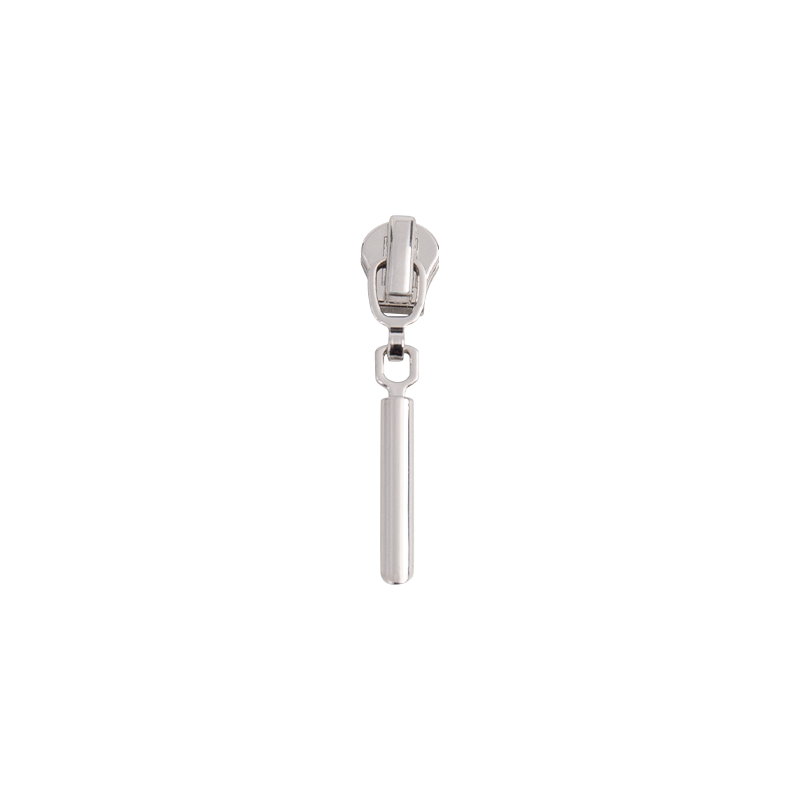
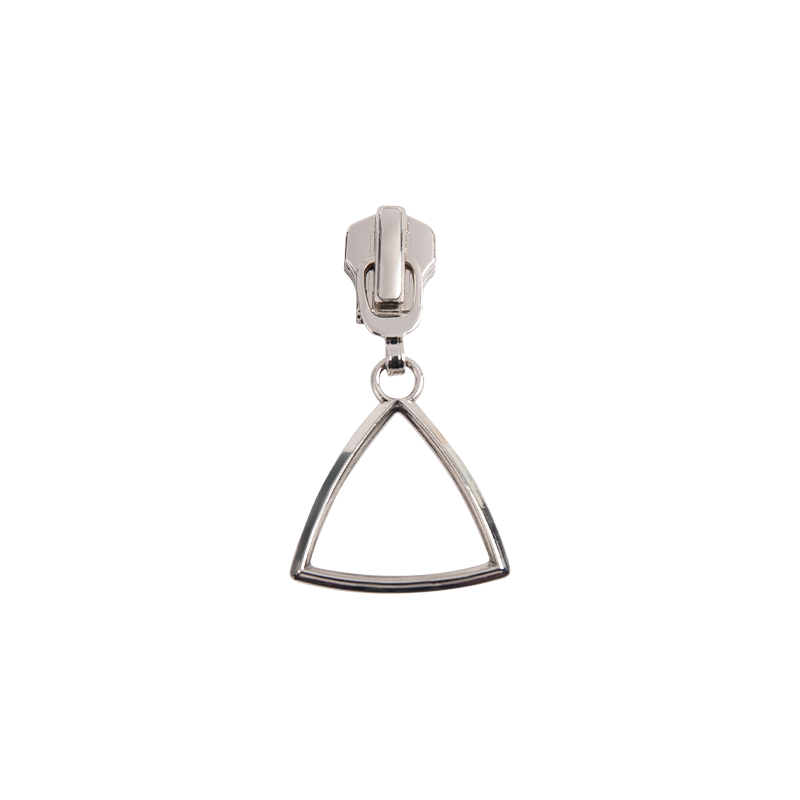
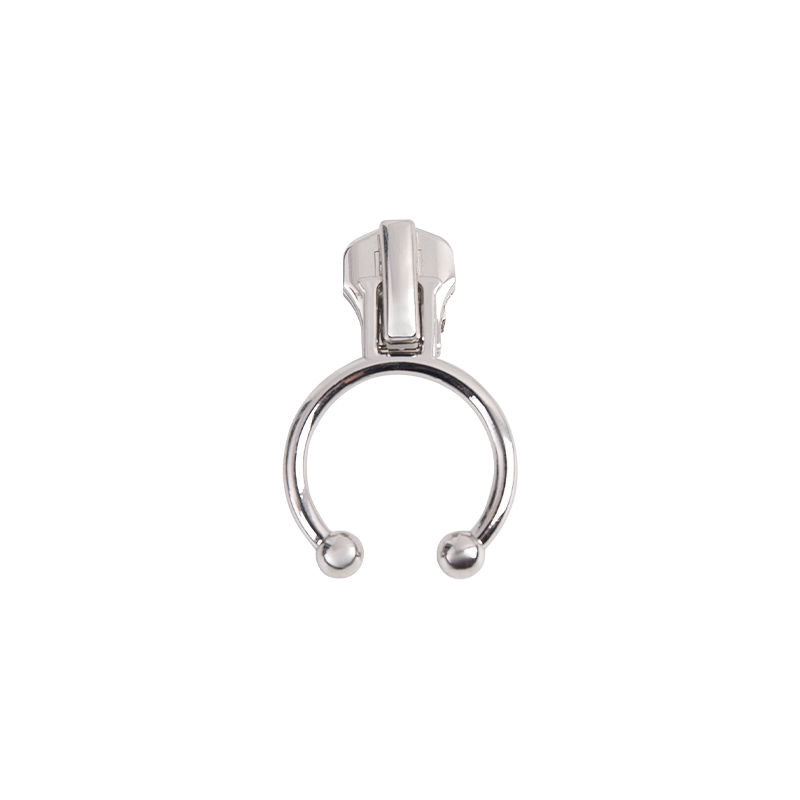
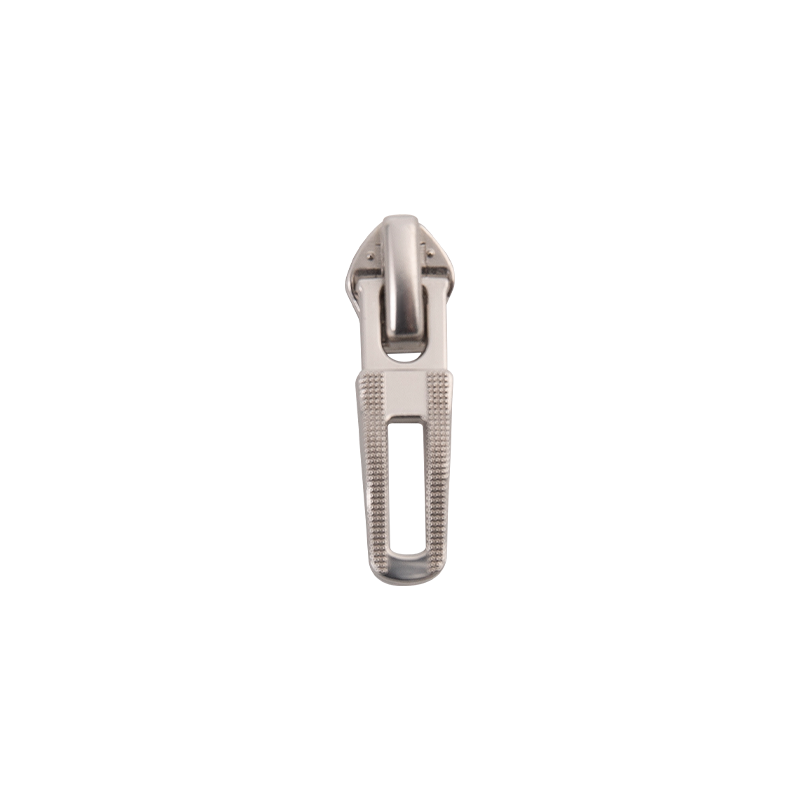
The pull tab is attached to the slider's bail (a small loop at the top of the slider body) and gives you something to grip when operating the zipper. Most jacket zippers ship with a single pull tab, though double-sided reversible tabs and extended pull tabs are common on performance outerwear where gloved hands need extra leverage.
Pull tabs see enormous stress relative to their size. A tab that has cracked, frayed, or detached at the bail loop can often be swapped without touching any other part of the zipper. Replacement tabs are widely available in metal, rubber-coated metal, and molded plastic, and they simply clip or thread through the bail.
From a design standpoint, the pull tab is also a branding opportunity. Custom-engraved or shaped tabs are a common finishing detail in premium outerwear production.
Zipper Teeth and Chain
The teeth—also called the elements—are the interlocking components that actually keep the zipper closed. They come in three distinct constructions, each with different performance characteristics:
- Nylon coil chain: A continuous monofilament coil stitched or woven onto the tape. Lightweight, flexible, and resistant to corrosion. The most common choice for casual jackets and sportswear. Our nylon zipper chain options cover a full range of sizes for cut-to-length and finished applications.
- Molded plastic (Delrin/Vislon) chain: Individual plastic teeth injection-molded directly onto the tape. Durable, slightly heavier than coil, and available in a wide color range. Common in outdoor and workwear jackets.
- Metal chain: Individual brass, aluminum, or nickel teeth crimped onto the tape. The heaviest option, prized for its durability and premium appearance in leather jackets, denim, and luxury outerwear.
Missing or damaged teeth cannot be repaired—the chain must be replaced. Because the slider is size-matched to the chain, both components must share the same size number and construction type to function correctly together.
Zipper Tape: The Foundation
The tape is the woven fabric strip on which the teeth are mounted and which gets sewn into the garment. It's the structural backbone of the entire zipper. Standard jacket zipper tape is woven from polyester for colorfastness and dimensional stability under repeated washing; cotton tape is occasionally used in heritage or vintage applications.
Tape width and thickness are sized to match the zipper gauge. A #5 zipper has narrower tape than a #10. When sourcing a replacement zipper, matching the tape width ensures a clean, flat seam on the finished garment.
The tape cannot be repaired. If the tape is torn, frayed at the edge, or missing teeth from the woven zone, the full zipper must be replaced. This is the one component that defines the repairability limit of a zipper assembly.
Top Stops and Bottom Stops
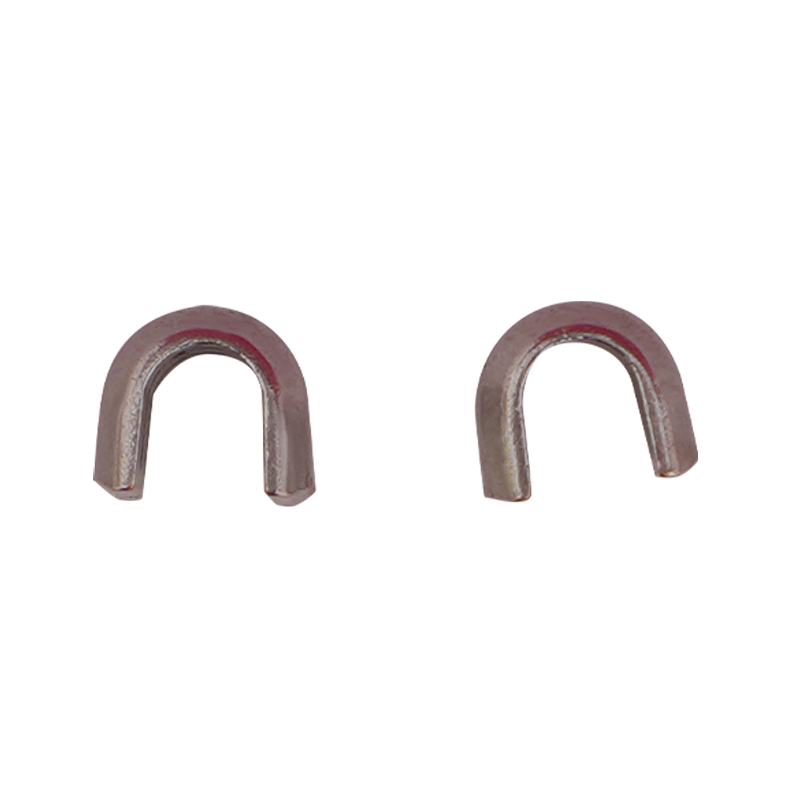
Stops are small metal or plastic clamps attached to the ends of the teeth chain to prevent the slider from running off the zipper. Every jacket zipper has at least two top stops—one at the upper end of each tape half—that keep the slider from flying off when fully opened.
The bottom stop is found only on non-separating zippers (pocket zippers, for example) where the two chain halves remain permanently joined at the base. On a jacket's separating zipper, the bottom stop's role is replaced by the insertion pin and retainer box described in the next section.
Top stops can fail by cracking, bending out of alignment, or falling off entirely. Because they're separate crimped components, a broken top stop is typically replaceable without swapping the full zipper. Our zipper top and bottom stoppers are available in sizes matched to standard chain gauges.
Insertion Pin and Retainer Box
These two parts are exclusive to separating zippers and are what make a jacket zipper function as a jacket zipper. The insertion pin (also called the starter pin) is a rigid spike attached to one side of the tape at the bottom. The retainer box (also called the starter box) is a rectangular housing on the opposite tape half at the bottom.
To start the zipper, you insert the pin into the box—this aligns the two chain halves and allows the slider to engage and begin joining the teeth from the bottom up. Without a functioning pin and box, a separating zipper simply cannot be started.
These components are subjected to significant lateral stress every time the zipper is engaged. Cracking or snapping of the retainer box is especially common in rigid plastic zippers worn in cold climates, where the material becomes brittle. A broken pin or box means the zipper needs to be replaced; these parts cannot be reattached or rebuilt in the field. Sourcing quality metal pin and retainer box components upfront significantly reduces this failure point in production.
How to Identify Which Part Needs Replacing
Most zipper problems can be traced to a single faulty component. Use the table below to match the symptom to the likely cause before deciding on a repair approach.
| Symptom | Likely Faulty Part | Repair Option |
|---|---|---|
| Zipper separates behind the slider while closed | Slider (channel worn wide) | Replace slider only |
| Slider won't move or feels gritty | Teeth / chain (dirt, bent element) | Clean or replace chain |
| Pull tab snapped off | Pull tab | Replace pull tab only |
| Slider runs off the top of the zipper | Top stop (missing or broken) | Crimp a new top stop |
| Zipper won't start / pin won't engage box | Insertion pin or retainer box | Replace full zipper |
| Visible gaps or missing teeth in the chain | Zipper tape + chain | Replace full zipper |
| Tape torn or fraying near seam | Zipper tape | Replace full zipper |
Knowing your zipper's gauge (size number) and chain type before ordering replacement parts prevents costly mismatches. The size number is stamped on the back of the slider; the chain type can be identified visually—coil, molded tooth, or individual metal elements. When in doubt, a physical sample sent to your supplier ensures an exact match for production or repair runs.