 en
en  русский
 한국어
한국어 get a free quote

Content
The Enduring Appeal and Functionality of Metal Buttons
A metal button serves as both a functional fastener and a distinctive design element, offering superior durability and a premium aesthetic compared to plastic alternatives. Whether used in heavy-duty denim, tailored blazers, or high-end leather goods, metal buttons provide a tactile weight and visual shine that elevates the perceived quality of a garment. Their resistance to cracking and warping ensures longevity, making them ideal for items subjected to frequent washing and wear.
Unlike resin or plastic, which can degrade under UV exposure or high heat, metal maintains its structural integrity over time. This makes it the preferred choice for outerwear and workwear where reliability is paramount. For designers and DIY enthusiasts, understanding the specific properties of different metal alloys is crucial for selecting the right hardware that balances cost, appearance, and performance.
Common Materials and Their Characteristics
Not all metal buttons are created equal. The base material significantly influences the button's weight, corrosion resistance, and price point. Choosing the right alloy ensures that the hardware complements the fabric and withstands the intended use conditions.
Brass and Zinc Alloy
Brass is a traditional favorite due to its natural gold-like appearance and malleability. It is often plated with nickel, gold, or antique finishes to prevent tarnishing. Zinc alloy, on the other hand, is widely used in modern manufacturing because it allows for intricate casting details at a lower cost. While zinc is lighter than brass, it is still durable enough for most fashion applications. However, zinc alloys can be brittle if cast too thinly, so quality control is essential.
Stainless Steel and Iron
For industrial or rugged aesthetics, stainless steel and iron are excellent choices. Stainless steel offers exceptional corrosion resistance and a cool, modern silver tone that does not fade. Iron buttons are typically heavier and are often coated with enamel or powder paint to prevent rust. These materials are best suited for jackets, jeans, and bags where a robust, utilitarian look is desired.
| Material | Weight | Corrosion Resistance | Cost |
|---|---|---|---|
| Brass | Heavy | High (if plated) | High |
| Zinc Alloy | Medium | Moderate | Low-Medium |
| Stainless Steel | Heavy | Very High | Medium-High |
| Iron | Very Heavy | Low (needs coating) | Low |
Attachment Methods and Structural Integrity
The method by which a metal button is attached to fabric is critical for its functionality. Unlike sew-through plastic buttons, metal buttons often use shanks, posts, or rivet systems. Understanding these mechanisms helps in selecting the right hardware for the fabric weight.
- Shank Buttons: These have a loop on the back for sewing. They are ideal for thick fabrics like wool coats, as the shank provides space for the fabric layers to sit comfortably without puckering.
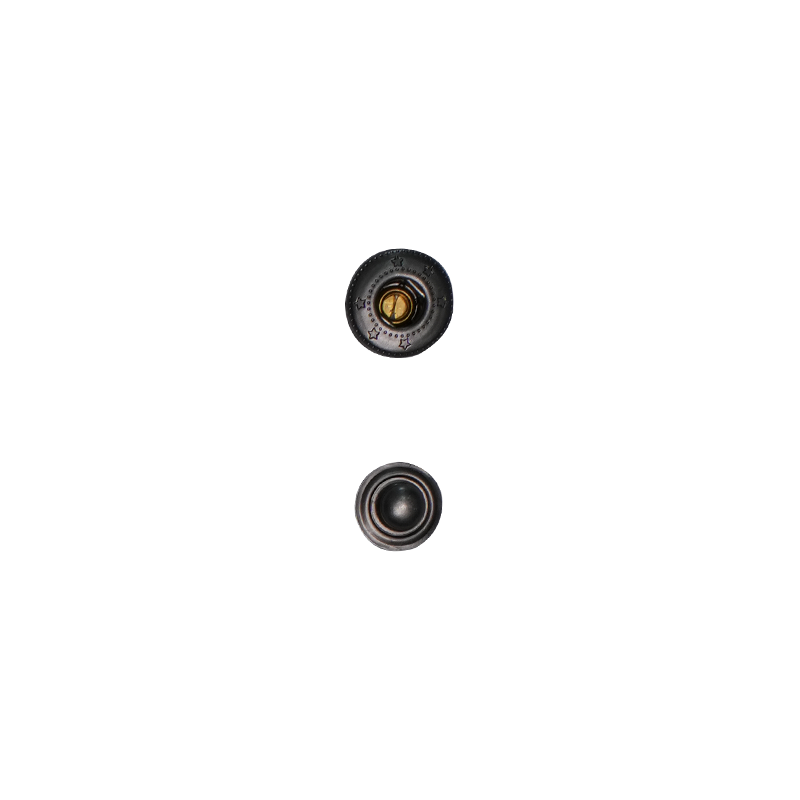
- Post and Clutch (Jeans Buttons): Common in denim, these consist of a top cap with a post and a separate backing piece that clamps onto the post. This creates a secure, non-sew attachment that is highly durable but requires a setting tool or hammer for installation.
- Rivets and Snap Fasteners: While technically distinct, these metal fasteners operate on similar principles. They are permanent and best for high-stress areas where traditional sewing might fail.
For lightweight fabrics, a sew-through metal button with a shank is recommended to avoid tearing the material. For heavy denim or canvas, post-and-clutch systems provide the necessary holding power to withstand repeated pulling and washing.
Care and Maintenance for Longevity
To preserve the finish and functionality of metal buttons, proper care during cleaning and storage is essential. Exposure to harsh chemicals, saltwater, or abrasive materials can degrade plating and cause tarnishing or rust.
When washing garments with metal buttons, it is advisable to turn them inside out to minimize friction against the drum of the washing machine. Avoid using bleach or strong acidic cleaners, as these can strip protective coatings. If tarnishing occurs, a mild metal polish can restore shine, but care should be taken to avoid getting polish on the surrounding fabric. For silver-plated buttons, storing them in anti-tarnish bags can significantly extend their luster.
In conclusion, selecting the right metal button involves balancing aesthetic preferences with practical requirements. By considering the material, attachment method, and care needs, designers and consumers can ensure that their garments remain both stylish and functional for years to come.