 en
en  русский
 한국어
한국어 get a free quote

Content
The Critical Role of the Pin and Box Mechanism
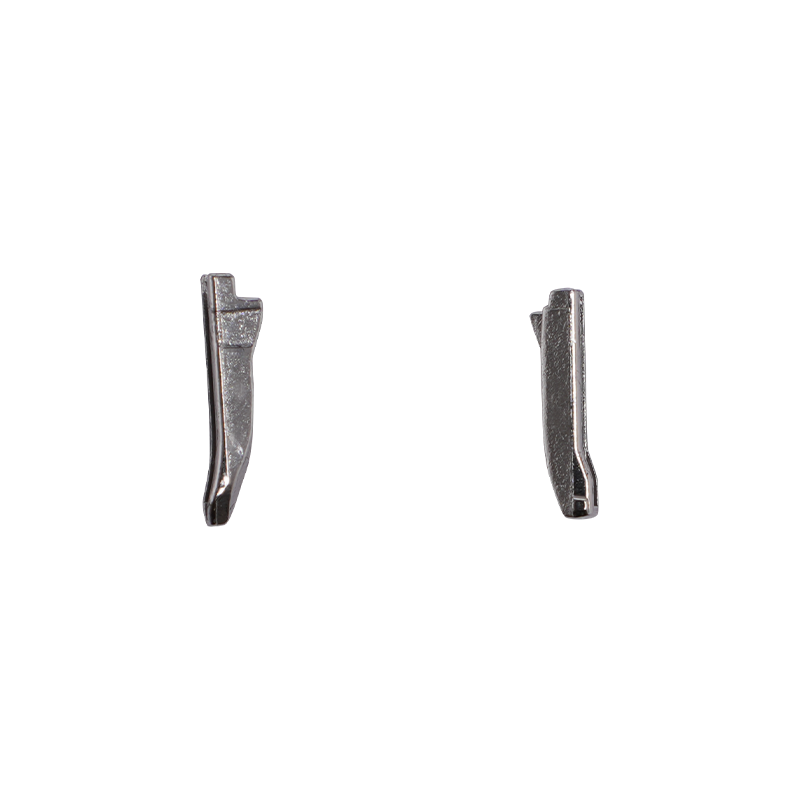
The metal zipper pin & box assembly is the foundational anchor of any open-end zipper, determining its structural integrity and ease of use. Unlike continuous coil zippers, this mechanism allows garments like jackets and bags to separate completely, relying on a precise insertion pin and a retaining box to align the teeth before the slider engages. A high-quality pin and box system can withstand over 5,000 cycle tests without failure, whereas inferior components often jam or detach after minimal use.
Understanding this component is essential for both manufacturers and consumers. The pin must be rigid enough to pierce the box alignment channel without bending, while the box must be securely stitched to the tape to prevent tearing under tension. When these two elements work in harmony, they ensure a smooth zip every time, preventing the frustration of misaligned teeth and stuck sliders.
Material Composition and Durability Factors
The longevity of a metal zipper pin & box is directly linked to the materials used in its construction. While plastic variants exist, metal components offer superior resistance to wear and tear, especially in heavy-duty applications.
Brass and Nickel Alloys
Brass is the most common material for high-end zippers due to its natural corrosion resistance and malleability. It is often plated with nickel or antique finishes for aesthetic appeal. Nickel-silver alloys provide even greater strength, making them ideal for workwear and outdoor gear where the zipper is subjected to frequent stress.
Aluminum and Zinc
For lightweight applications, aluminum pins and boxes are preferred. They reduce the overall weight of the garment but are softer and more prone to bending if mishandled. Zinc alloys offer a middle ground, providing good strength at a lower cost, though they may be more susceptible to oxidation over time if not properly coated.
| Material | Durability | Weight | Corrosion Resistance |
|---|---|---|---|
| Brass | High | Medium | Excellent |
| Aluminum | Medium | Low | Good (Anodized) |
| Zinc Alloy | Medium-High | Medium | Fair (Plated) |
Common Failure Points and Troubleshooting
Even the best metal zipper pin & box systems can fail due to misuse or manufacturing defects. Identifying the specific issue is the first step toward effective repair or replacement.
Bent Insertion Pin
The most common issue is a bent pin, which prevents it from entering the box. This often happens when the zipper is forced closed while misaligned. If the pin is only slightly bent, it can sometimes be straightened with pliers. However, if the metal has fatigued, replacement is necessary.
Detached Box or Tape Fraying
If the box pulls away from the tape, the stitching has likely failed. This is common in low-quality zippers where the box is not reinforced with a bar tack. In such cases, re-stitching the box with heavy-duty thread can restore functionality, provided the metal component itself is intact.
- Check for debris in the box channel that blocks pin insertion.
- Ensure the slider is fully lowered before attempting to engage the pin.
- Inspect the bottom stop for damage that may affect box alignment.
Selection Criteria for Manufacturers and Designers
Choosing the right metal zipper pin & box involves more than just aesthetics. Designers must consider the end-use environment, the weight of the fabric, and the expected frequency of use.
For heavy-duty outerwear, a #8 or #10 gauge brass zipper with a reinforced box is recommended. The larger teeth provide better engagement, and the robust pin ensures reliable insertion even with thick layers of fabric. For fashion garments where weight and drape are critical, a smaller #3 or #5 aluminum zipper may be more appropriate.
Additionally, the finish of the metal should complement the garment's care instructions. If the item is likely to be washed frequently, a corrosion-resistant coating such as nickel or antique brass is essential to prevent rust stains on the fabric. Testing samples for salt spray resistance can help verify the durability of the finish before mass production.
Maintenance Tips for Longevity
Proper maintenance can significantly extend the life of your metal zipper pin & box. Regular cleaning and lubrication keep the mechanism functioning smoothly and prevent premature wear.
Use a soft brush to remove lint and debris from the teeth and the box channel. Occasionally applying a small amount of wax or silicone lubricant to the teeth can reduce friction, making the slider glide more easily. Avoid using oil-based lubricants, as they can attract dirt and stain the fabric.
When washing garments with metal zippers, it is advisable to zip them up partially to reduce stress on the pin and box, or to turn the garment inside out to protect the metal finish from abrasion with other items. By following these simple steps, you can ensure that your metal zipper pin & box remains a reliable part of your wardrobe for years to come.