 en
en  русский
 한국어
한국어 get a free quote

Content
Introduction to Metal Buttons
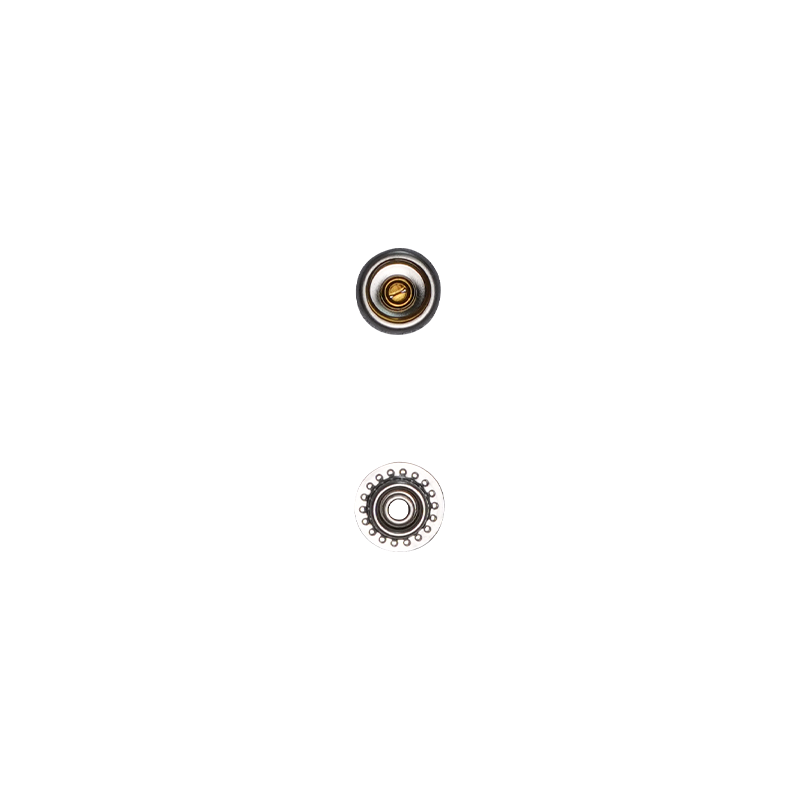
Metal buttons are essential components in both fashion and industrial applications, offering durability, aesthetic appeal, and functionality. From high-end clothing to uniforms and specialized equipment, metal buttons provide strength and style that plastic or wooden alternatives cannot match. Their versatility allows designers and manufacturers to meet performance, durability, and visual design requirements across various sectors.
Material Properties of Metal Buttons
Durability and Strength
Metal buttons are prized for their mechanical strength and resistance to wear. They withstand repeated use, exposure to moisture, and pressure without cracking or deforming. Materials such as brass, stainless steel, aluminum, and zinc alloys are commonly used, each offering specific advantages in strength, corrosion resistance, and weight.
Corrosion and Wear Resistance
High-quality metal buttons are treated with coatings or finishes like nickel plating, electroplating, or powder coating to enhance corrosion resistance. This makes them suitable for outdoor garments, uniforms, and industrial equipment that face harsh environmental conditions.
Aesthetic Appeal and Customization
Metal buttons can be polished, engraved, stamped, or painted to match design specifications. This allows fashion designers to create distinctive looks, add brand logos, or apply functional markings for industrial use, blending aesthetics with practicality.
Temperature and Chemical Resistance
Unlike plastic alternatives, metal buttons can withstand high temperatures and exposure to chemicals without deforming. This property is especially important for protective clothing, lab coats, and industrial uniforms.
Applications in Fashion
Casual and Formal Clothing
Metal buttons are widely used in jackets, coats, shirts, and pants for both casual and formal wear. Their durability ensures longevity, while polished or textured finishes enhance the garment’s visual appeal. Designers often choose specific metals to complement fabric color, texture, and style.
Denim and Workwear
In denim jeans and heavy-duty workwear, metal buttons provide secure fastening and superior strength. Riveted designs and reinforced backs prevent detachment, ensuring functionality even under stress or repeated use.
Accessories and Decorative Uses
Beyond clothing, metal buttons are used in hats, bags, belts, and footwear. Embellished or engraved buttons enhance visual appeal, while providing functional fastening. Custom designs allow brands to showcase logos, patterns, or unique artistic touches.
Industrial Applications
Uniforms and Protective Gear
Metal buttons are integral to uniforms for military, police, healthcare, and other service sectors. They provide reliable fastening, resist environmental wear, and can include identification or rank insignia through engraving or embossing.
Specialized Equipment
In industrial applications, metal buttons can serve as functional components in equipment covers, tool cases, or control panels. Their durability ensures repeated use without failure, and metal finishes offer protection against heat, corrosion, or mechanical stress.
Promotional and Branding Applications
Custom metal buttons are used in corporate apparel, promotional products, and event merchandise. Engraved logos or designs help enhance brand recognition while providing a premium feel to garments or accessories.
Comparison of Common Metal Button Materials
| Material | Durability | Corrosion Resistance | Typical Use |
| Brass | High | Good | Decorative clothing, uniforms |
| Stainless Steel | Very High | Excellent | Workwear, industrial uniforms |
| Aluminum | Medium | Good | Lightweight garments, accessories |
| Zinc Alloy | High | Moderate | Fashion buttons, decorative use |
Manufacturing Processes
Casting
Casting involves pouring molten metal into molds to create buttons with consistent shapes and sizes. This method is ideal for mass production of decorative or functional buttons with intricate designs.
Stamping and Pressing
Metal sheets are stamped or pressed into button shapes, allowing rapid production and uniform thickness. Stamping is commonly used for uniforms and industrial applications where precision and durability are important.
Finishing Techniques
Polishing, plating, painting, or engraving enhances appearance and corrosion resistance. These finishes provide customization for branding, fashion trends, and functional markings.
Maintenance and Longevity
Cleaning Methods
Metal buttons should be cleaned with mild detergents and soft cloths. Avoid abrasive cleaners or steel wool that can scratch or damage the finish. Regular maintenance maintains appearance and prevents corrosion.
Wear and Damage Prevention
Minimize impact, friction, and exposure to chemicals to extend the lifespan of metal buttons. Proper attachment and handling during laundering or industrial use prevent loosening or deformation.
Conclusion
Metal buttons combine durability, functionality, and aesthetic versatility, making them suitable for a wide range of fashion and industrial applications. Understanding material properties, manufacturing techniques, and maintenance requirements allows designers and manufacturers to optimize performance, ensure long-term use, and create visually appealing products.