 en
en  русский
 한국어
한국어 get a free quote

Content
Introduction to Zipper Pins and Boxes
Zipper pins and zipper boxes are essential components of zippers, ensuring the proper alignment and smooth operation of the zipper mechanism. While they may seem small and simple, their correct installation is critical for the durability and functionality of garments, bags, and other products that rely on zippers.
Understanding the Components
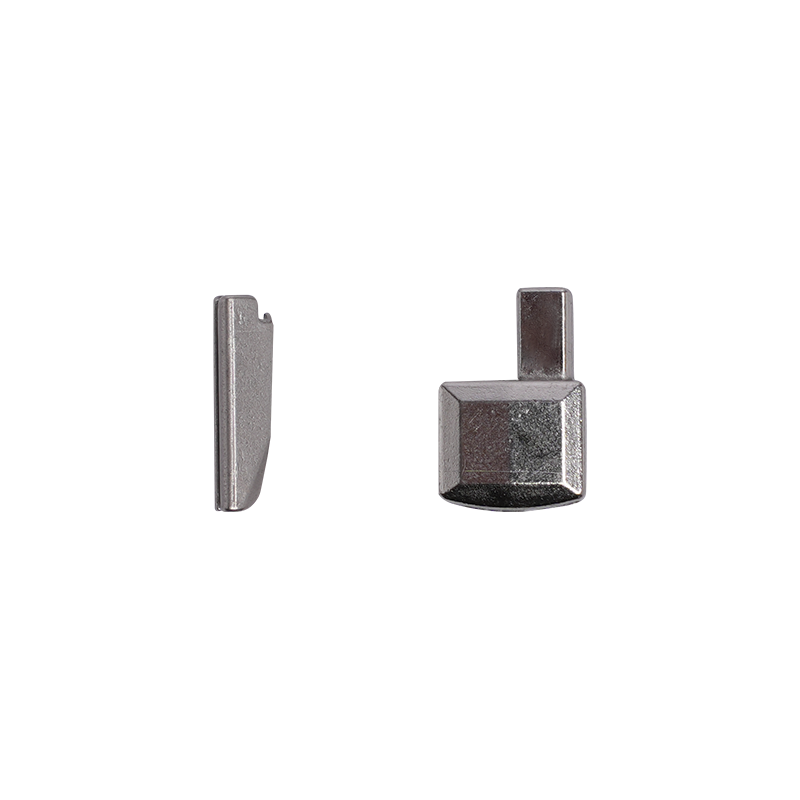
Before installation, it is important to understand the parts and their functions. The zipper pin serves as the insertion point for the slider, while the zipper box holds the pin in place and allows the slider to engage and move smoothly along the zipper teeth.
Zipper Pin
The zipper pin is typically made of metal or durable plastic and is designed to withstand repeated stress from opening and closing the zipper. Proper alignment of the pin ensures that the slider can attach correctly without jamming or misalignment.
Zipper Box
The zipper box anchors the pin and guides the slider into the zipper teeth. Its design varies depending on zipper size, material, and intended application. Understanding the box's dimensions and structure is crucial for precise installation.
Tools Required for Installation
Proper tools can make zipper pin and box installation more efficient and reduce the risk of damaging the components or the surrounding fabric.
- Pliers (flat-nose or needle-nose) for holding and adjusting the pin and box.
- Small screwdriver for aligning components if necessary.
- Measuring tape or ruler to ensure precise positioning.
- Thread and needle or sewing machine for securing the zipper assembly.
- Protective gloves to prevent injury while handling sharp metal components.
Step-by-Step Installation Process
The installation process for zipper pins and boxes can vary slightly depending on the type of zipper, but the general steps remain consistent.
Step 1: Positioning the Pin and Box
Start by aligning the zipper pin with the opening of the zipper box. Ensure that the pin is centered and straight. Misalignment at this stage can lead to malfunctioning zippers and difficulty in slider movement.
Step 2: Inserting the Pin into the Box
Carefully insert the pin into the box, applying even pressure. Use pliers to gently adjust if the pin does not slide in smoothly. Avoid forcing the components, as excessive force can deform the pin or box.
Step 3: Securing the Zipper Components
Once inserted, the pin and box need to be securely attached to the fabric. Sew the zipper tape near the box carefully, ensuring that the stitching does not obstruct the slider path. Double-check the alignment before completing the sewing process.
Step 4: Testing the Zipper
Slide the zipper multiple times to confirm smooth engagement. The slider should enter the pin effortlessly and move along the teeth without resistance. Adjust the pin or box if any misalignment or jamming occurs.
Common Challenges and Solutions
Despite being a relatively simple process, installation can encounter several issues that affect the zipper's performance.
- Misaligned pin: Ensure proper positioning before insertion and use pliers for fine adjustments.
- Loose box attachment: Reinforce stitching around the zipper box to prevent shifting or detachment.
- Slider jamming: Check for debris or uneven teeth; realign pin and box if necessary.
- Fabric bunching: Maintain smooth fabric placement while sewing to prevent obstruction of slider movement.
Tips for Efficient Installation
Following best practices can reduce installation time and improve the functionality of zippers.
- Pre-align all components before attaching to fabric.
- Use quality tools to prevent damage to pins and boxes.
- Practice on scrap material for beginners to understand alignment and pressure techniques.
- Regularly inspect components for defects or irregularities before installation.
- Keep a small reference diagram or guide handy for complex zippers or unusual designs.
Applications of Properly Installed Zippers
Correct installation of zipper pins and boxes ensures long-lasting performance in various applications.
- Garments: Jackets, pants, skirts, and dresses benefit from reliable zipper function.
- Bags: Backpacks, handbags, and luggage rely on smooth zippers for accessibility and durability.
- Outdoor Gear: Tents, sleeping bags, and protective covers require secure and weather-resistant zippers.
- Industrial Products: Protective clothing, tool cases, and equipment covers use robust zipper assemblies for repeated use.
Conclusion
Installing zipper pins and boxes is not inherently complicated, but it requires precision, proper tools, and careful alignment. Following a structured installation process, addressing common challenges, and adhering to best practices ensures smooth, reliable zipper operation in garments, bags, and industrial applications. With practice, the process becomes straightforward, allowing even beginners to achieve professional-quality results.