 en
en  русский
 한국어
한국어 get a free quote

Content
- 1 Understanding Zipper Chain Construction
- 2 Types of Zipper Chains by Construction Method
- 3 Material Specifications and Performance Characteristics
- 4 Sizing Standards and Measurement Systems
- 5 Manufacturing Processes and Quality Control
- 6 Selection Criteria for Specific Applications
- 7 Installation and Sewing Specifications
- 8 Innovations and Emerging Technologies
- 9 Cost Analysis and Procurement Strategies
Understanding Zipper Chain Construction
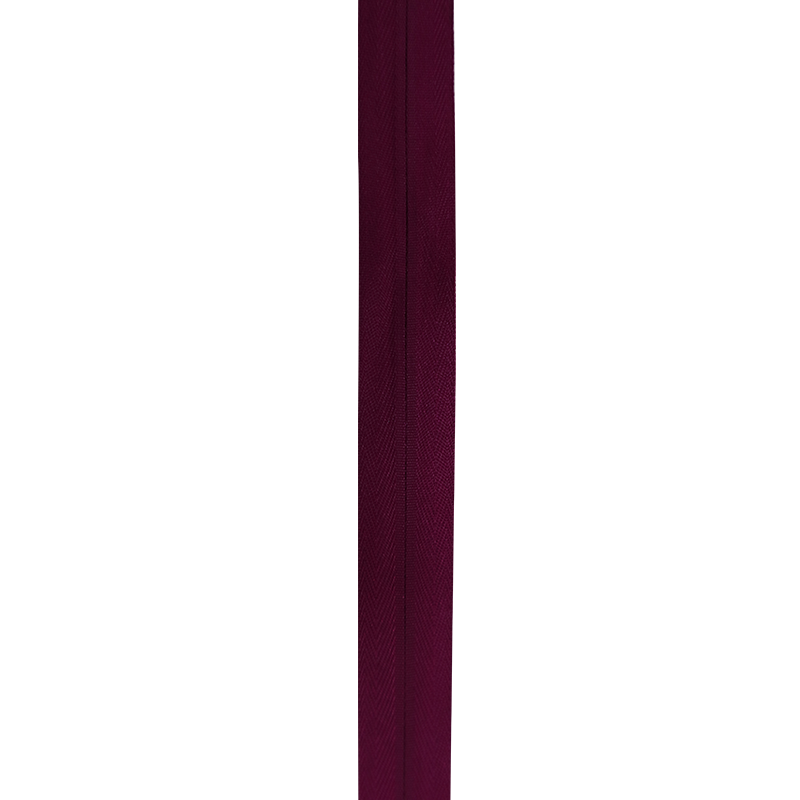
A zipper chain, also known as a zipper tape or zipper stringer, is the continuous interlocking element assembly that forms the functional core of any zipper. It consists of individual teeth or coils attached to textile tape, creating the mechanism that opens and closes when operated by a slider. The zipper chain represents approximately 65-70% of the total zipper manufacturing cost and directly determines the zipper's strength, durability, and operational smoothness.
The global zipper market reached $14.2 billion in 2023, with zipper chains being manufactured in lengths ranging from continuous rolls of 200+ meters for industrial applications to pre-cut lengths of 10-150cm for garment use. Understanding zipper chain specifications is essential for manufacturers, designers, and procurement professionals to ensure product quality and application suitability.
Types of Zipper Chains by Construction Method
Coil Zipper Chains
Coil zippers feature a continuous spiral of nylon or polyester monofilament sewn or woven onto the tape edges. The coil diameter typically ranges from 3mm to 10mm, with #3, #5, and #8 being the most common sizes. These chains offer excellent flexibility and are self-healing, meaning the teeth realign if the slider passes over a snag. Coil chains are manufactured at speeds up to 80 meters per minute and account for approximately 55% of global zipper production.
Metal Tooth Zipper Chains
Metal zipper chains use individual teeth stamped from brass, aluminum, or nickel alloys, then clamped onto woven tape at precise intervals. Tooth spacing is standardized, with 2.5-3.2 teeth per centimeter being typical for #5 metal zippers. These chains provide superior strength, with breaking forces exceeding 450N for heavy-duty applications, and are preferred for jeans, leather goods, and outdoor equipment where durability is paramount.
Molded Plastic Tooth Chains
Injection-molded plastic chains feature polyacetal resin (Delrin) or nylon teeth molded directly onto the tape in a continuous process. These chains are manufactured in sizes from #3 to #10, with larger sizes like #8 and #10 commonly used for jackets and luggage. The molding process creates uniform tooth geometry with tolerances within ±0.05mm, ensuring consistent slider operation and extended product life of 10,000+ cycles.
Material Specifications and Performance Characteristics
| Chain Type | Primary Material | Tensile Strength | Temperature Range |
|---|---|---|---|
| Nylon Coil | PA6 or PA66 | 180-350N | -40°C to 120°C |
| Brass Metal | Copper-Zinc Alloy | 400-650N | -50°C to 200°C |
| Aluminum Metal | Al Alloy 5052 | 250-450N | -50°C to 150°C |
| Plastic Molded | POM (Delrin) | 300-500N | -40°C to 100°C |
The tape component of zipper chains is equally critical, manufactured from polyester, cotton, or blended fabrics with tensile strength requirements of minimum 350N for lightweight applications and 800N+ for industrial use. Tape width varies from 20mm to 35mm depending on chain size, with tighter weaves providing better dimensional stability and preventing tape stretching during repeated use.
Sizing Standards and Measurement Systems
Zipper chain sizes are universally designated by numerical codes that correspond to the width of the closed chain measured in millimeters. A #5 zipper chain measures approximately 5mm wide when fully closed, though actual measurements may vary by ±0.3mm due to manufacturing tolerances. This standardization allows global interchangeability of components and simplifies inventory management.
Common size applications include:
- #3 (3mm): Lightweight garments, children's clothing, decorative applications requiring minimal bulk
- #5 (5mm): General apparel, dresses, trousers, light jackets - represents 42% of global consumption
- #8 (8mm): Heavy jackets, luggage, sportswear, outdoor equipment requiring enhanced durability
- #10 (10mm): Industrial bags, tents, boat covers, military equipment with extreme strength requirements
For specialized applications, manufacturers produce chains in intermediate sizes (#4, #7) and oversized variants up to #20 for industrial tarpaulins and marine applications where chain width reaches 20mm.
Manufacturing Processes and Quality Control
Coil Chain Production
Nylon or polyester filament is heated to 180-220°C and formed into continuous coils using precision winding machines. The coil is then simultaneously sewn or woven onto pre-dyed tape using specialized multi-needle machines operating at 60-80 meters per minute. Quality control involves continuous monitoring of coil pitch (spacing between coils), which must maintain ±0.1mm tolerance to ensure smooth slider operation.
Metal Chain Assembly
Metal teeth are stamped from brass or aluminum strip stock in high-speed presses producing 400-600 teeth per minute. Individual teeth are then fed into clamping machines that attach them to tape at precise intervals. Post-assembly processes include plating (nickel, antique brass, or gunmetal), polishing, and protective coating application. Defect rates in premium manufacturing facilities remain below 0.3% through automated optical inspection systems that check tooth alignment, spacing, and surface finish.
Testing Standards
Zipper chains undergo rigorous testing according to ISO 2081, ASTM D2061, and JIS S3015 standards. Key performance metrics include:
- Lateral strength: minimum 60N perpendicular force resistance without tooth separation
- Longitudinal strength: tensile load capacity matching application requirements (180-650N range)
- Operational cycles: 2,000-25,000 opening/closing cycles depending on grade without malfunction
- Colorfastness: Grade 4 minimum on grey scale after 40 hours xenon arc exposure
Selection Criteria for Specific Applications
Garment and Apparel Considerations
For fashion applications, coil chains dominate due to their flexibility and ability to follow curved seam lines without distortion. Lightweight fabrics require #3 chains with tape weight not exceeding 45 g/m² to prevent puckering. Color matching is critical, with manufacturers offering 200+ standard colors and custom dye-matching services with minimum order quantities of 1,000 meters. Invisible zippers use specially configured coil chains where teeth are positioned behind the tape, creating a concealed closure.
Industrial and Heavy-Duty Requirements
Industrial applications prioritize strength over aesthetics. Metal chains with nickel-plated brass teeth provide corrosion resistance for marine environments, while stainless steel options serve food processing and medical applications where sanitization is essential. Chain breaking strength should exceed expected load by a safety factor of 3:1, meaning a bag designed to carry 15kg should use chains rated for minimum 450N (approximately 45kg force).
Environmental Exposure Factors
Outdoor applications require UV-stabilized materials and waterproof tape treatments. Polyester coil chains outperform nylon in UV resistance, showing less than 15% strength degradation after 1000 hours of accelerated weathering compared to 25-30% for standard nylon. Hydrophobic tape coatings reduce water absorption to below 3%, preventing mildew growth and dimensional changes in humid conditions.
Installation and Sewing Specifications
Proper zipper chain installation is critical for garment performance and longevity. Industrial sewing machines should use needle sizes 11-16 (European system) or 75-100 (metric system) depending on fabric weight. Thread tension requires careful balancing, with upper tension 20-30% higher than lower tension to prevent puckering along the zipper line.
Seam allowances for zipper installation typically measure 10-15mm for apparel and 20-25mm for upholstery applications. Reinforcement stitching at chain ends, known as bar tacking, should penetrate the tape minimum 5 times with 3mm stitch length to prevent end failure under stress. For invisible installations, specialized presser feet maintain consistent 1-2mm seam distance from the chain teeth.
When working with metal chains on delicate fabrics, protective measures include using Teflon-coated presser feet and reducing sewing speed to 2,000-2,500 stitches per minute to prevent tape damage. Coil chains tolerate higher speeds up to 4,000 stitches per minute without compromising attachment integrity.
Innovations and Emerging Technologies
Recent advancements in zipper chain technology focus on sustainability and enhanced functionality. Recycled polyester chains now represent 18% of global production, manufactured from post-consumer PET bottles with mechanical properties matching virgin material. These eco-friendly chains meet the same ISO standards while reducing carbon footprint by approximately 40% compared to conventional production.
Water-repellent zipper chains incorporate fluorine-free DWR (Durable Water Repellent) treatments directly into the tape fibers, achieving water spray ratings of 90+ (ISO 4920) without PFAS chemicals. This technology is particularly valuable for outdoor apparel and technical sportswear where moisture management is critical.
Smart zipper chains with embedded RFID tags are emerging in logistics and security applications, allowing automated inventory tracking and authentication verification. These chains incorporate ultra-thin 0.4mm RFID inlays within the tape structure, maintaining flexibility while enabling contactless identification from distances up to 3 meters.
Cost Analysis and Procurement Strategies
Zipper chain pricing varies significantly based on type, size, and order volume. Standard #5 nylon coil chains range from $0.08-0.25 per meter for bulk orders exceeding 10,000 meters, while metal chains cost $0.30-0.80 per meter due to material and processing complexity. Custom colors, specialty finishes, and small batch orders can increase costs by 40-150%.
Volume pricing tiers typically structure as follows: 1,000-5,000 meters at list price, 5,000-20,000 meters at 15-20% discount, and 20,000+ meters at 25-35% discount. Lead times for stock colors average 7-14 days, while custom specifications require 30-45 days for initial production and 15-20 days for repeat orders.
Quality assessment of suppliers should evaluate certification compliance (ISO 9001, OEKO-TEX Standard 100), production capacity, defect rate guarantees (typically 0.5% maximum acceptable), and technical support availability. Requesting pre-production samples and conducting independent testing prevents costly quality issues in final products.