 en
en  русский
 한국어
한국어 get a free quote

Zippers are one of the most reliable fastening solutions in the world — yet most people have never stopped to count their teeth or name their parts. For manufacturers, designers, and sourcing teams, understanding zipper anatomy is not just trivia. It directly affects product performance, durability, and cost. This guide breaks down every key component of a zipper and answers the question that surprises many: exactly how many teeth does a zipper have?
Content
What Are the Key Components of a Zipper?
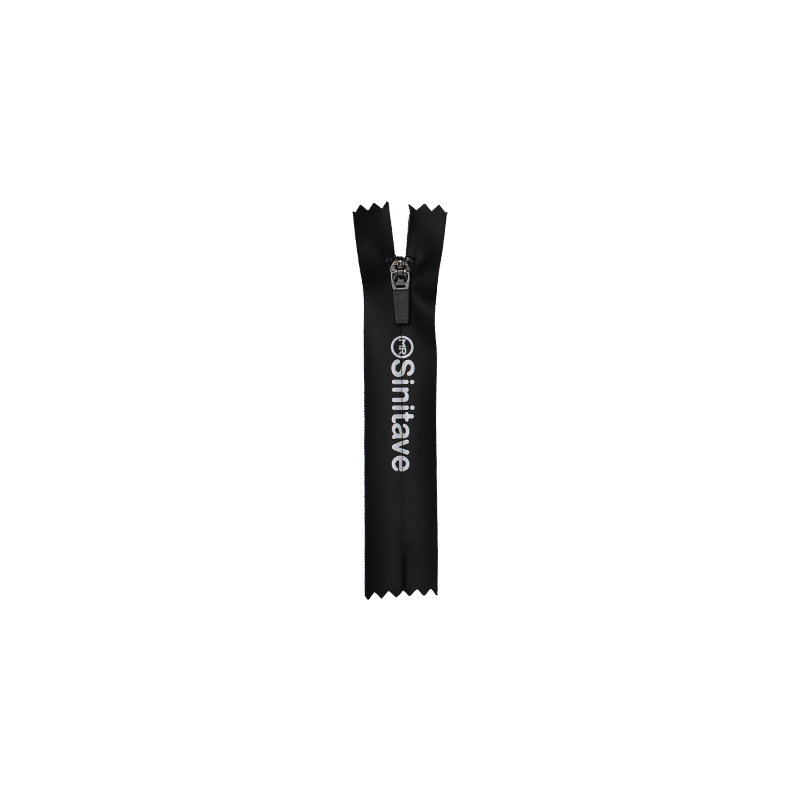
A zipper is made up of several interdependent parts. Each component plays a specific role, and a failure in any one of them can compromise the entire closure. Here are the seven core elements found in most standard zippers:
- Teeth (Elements): The interlocking parts on both sides of the zipper tape. These are the heart of the zipper — they mesh together when the slider passes over them and release when it moves in reverse.
- Zipper Tape: The fabric strip onto which the teeth are attached. Typically woven from polyester, the tape width varies by zipper size and manufacturer.
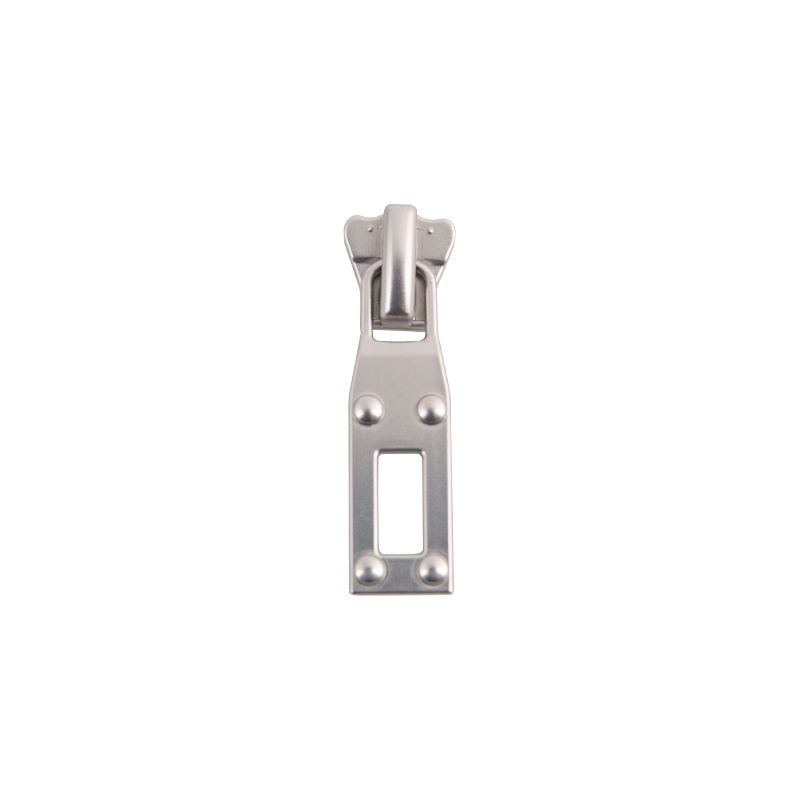
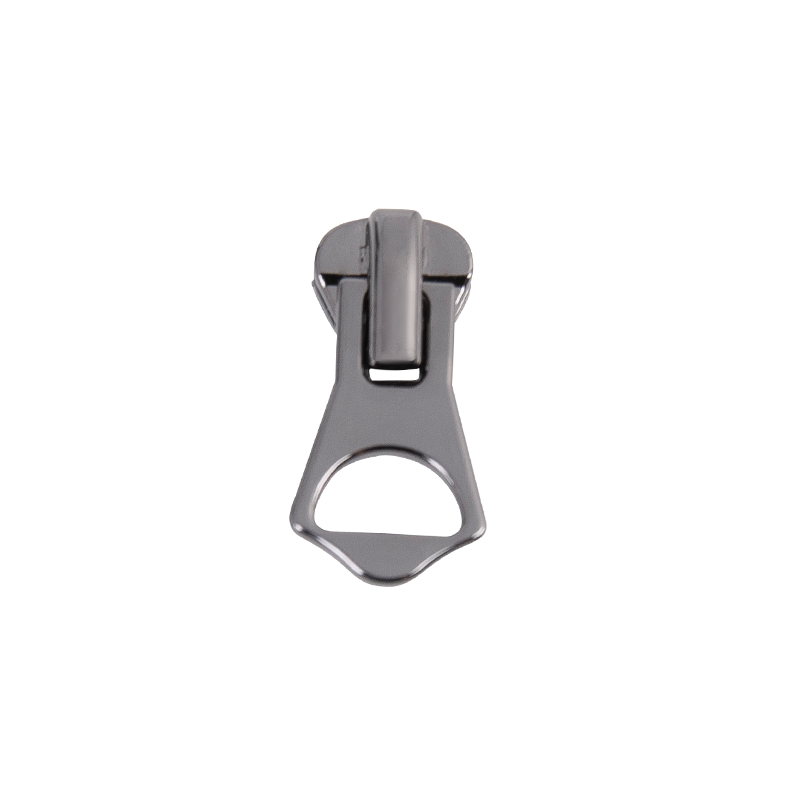
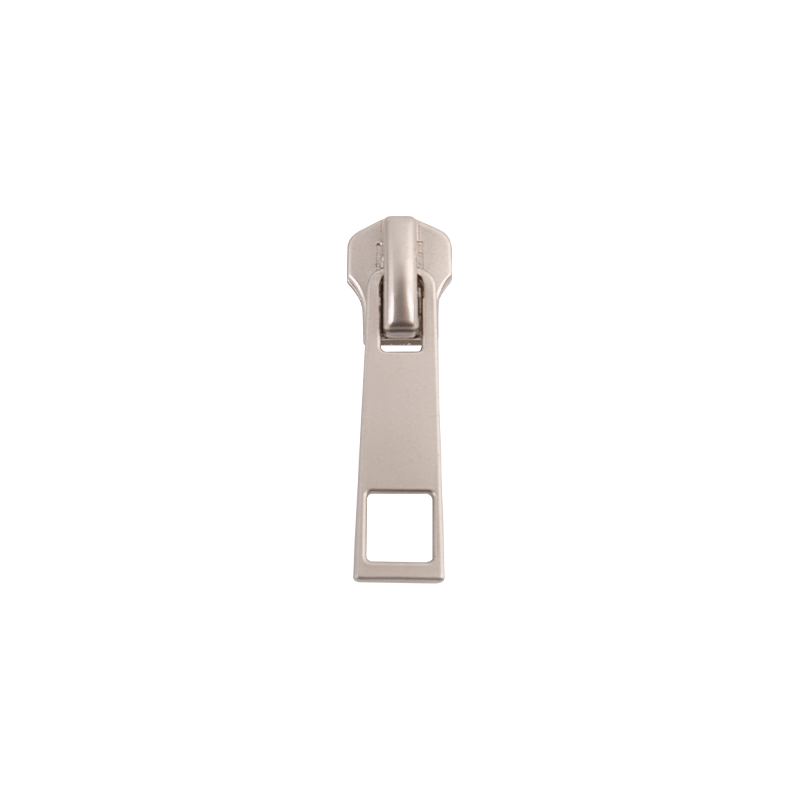
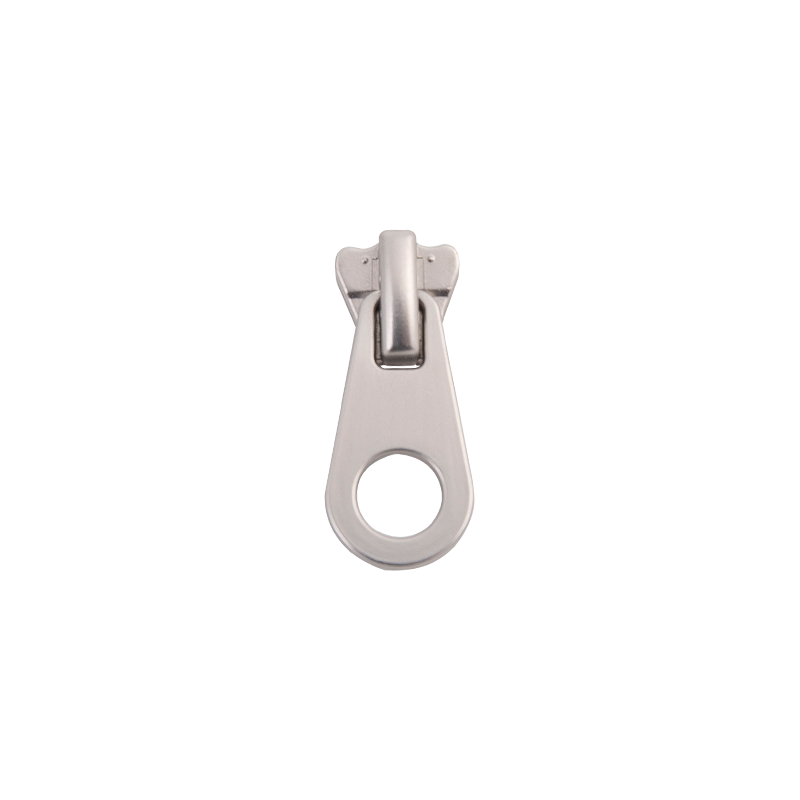
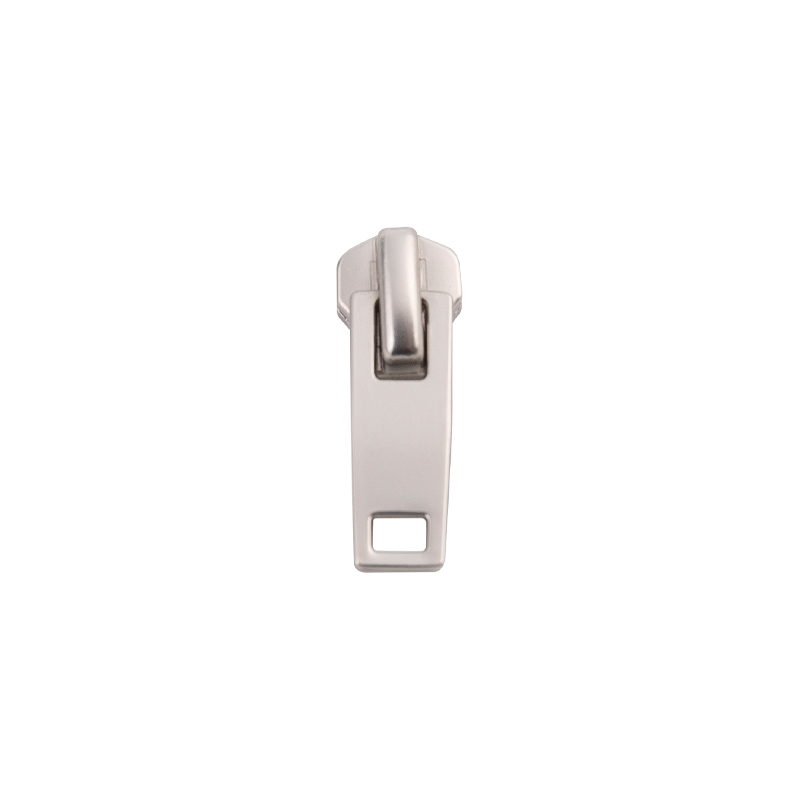
- Slider: The component that moves along the teeth to open or close the zipper. It contains a Y-shaped internal channel that guides the teeth into or out of engagement.
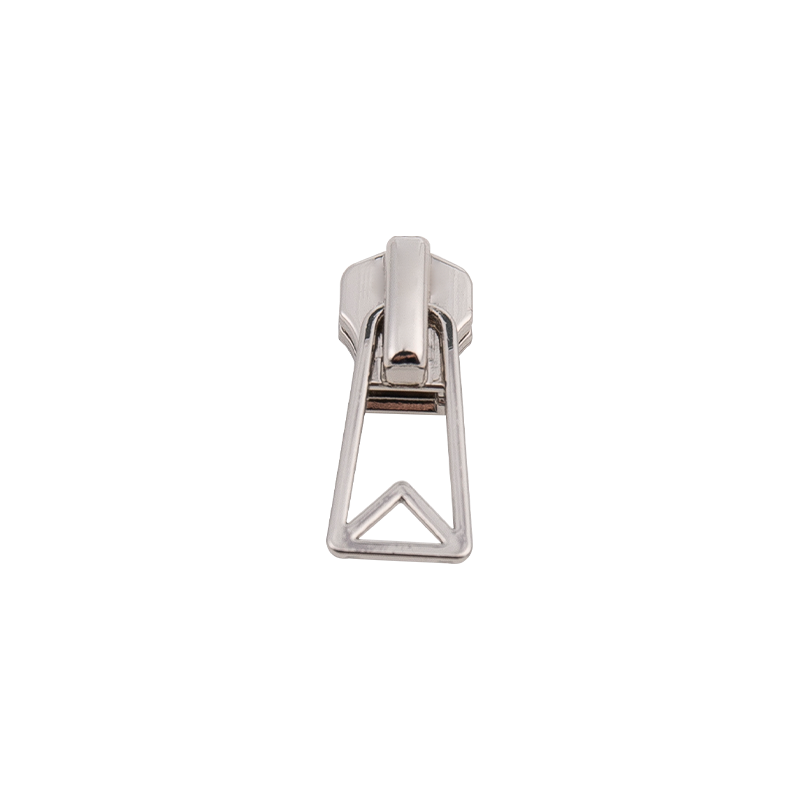
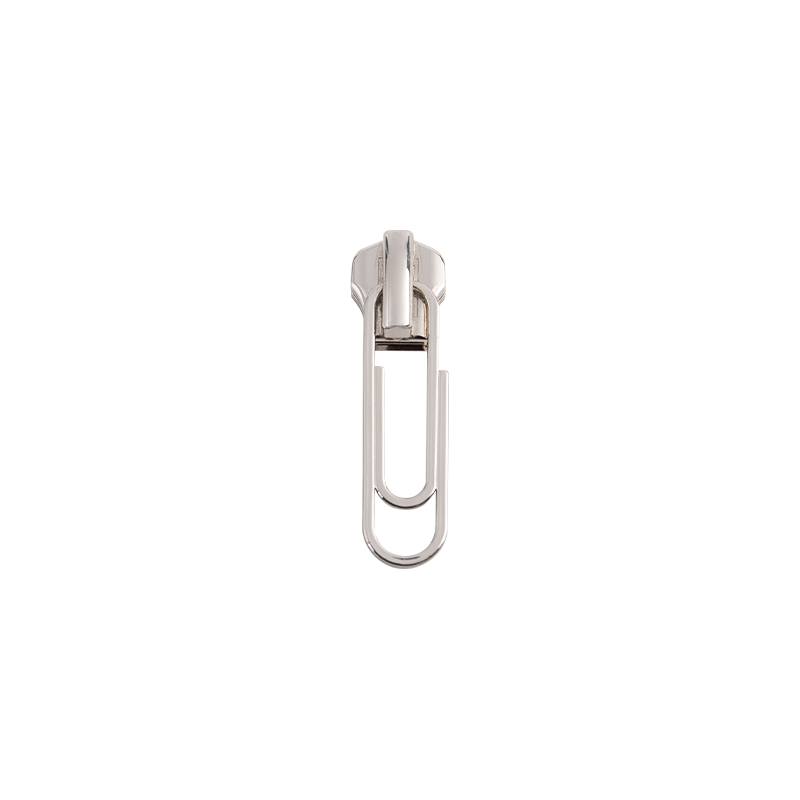
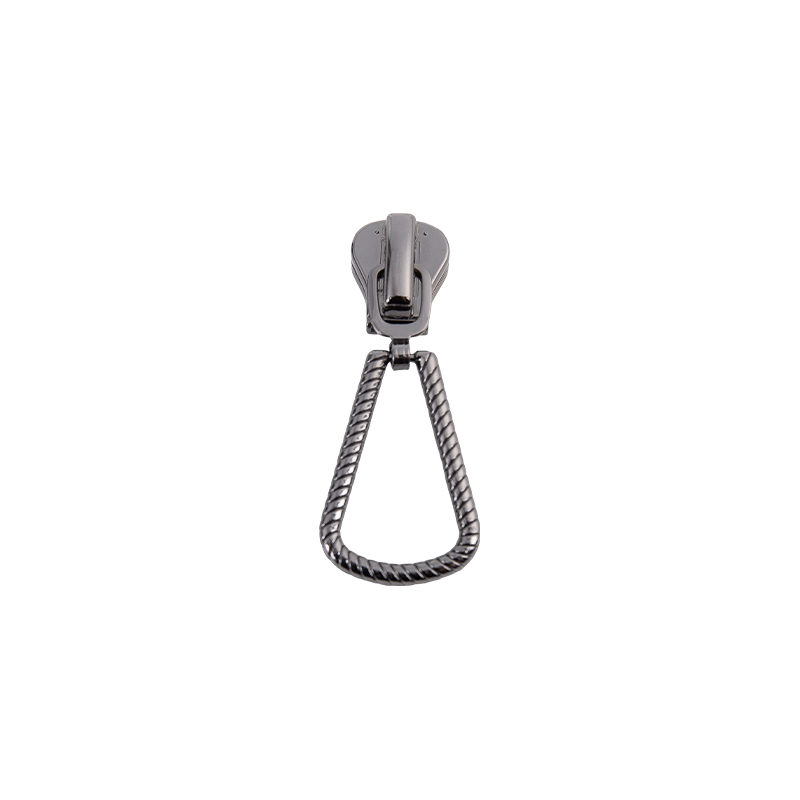
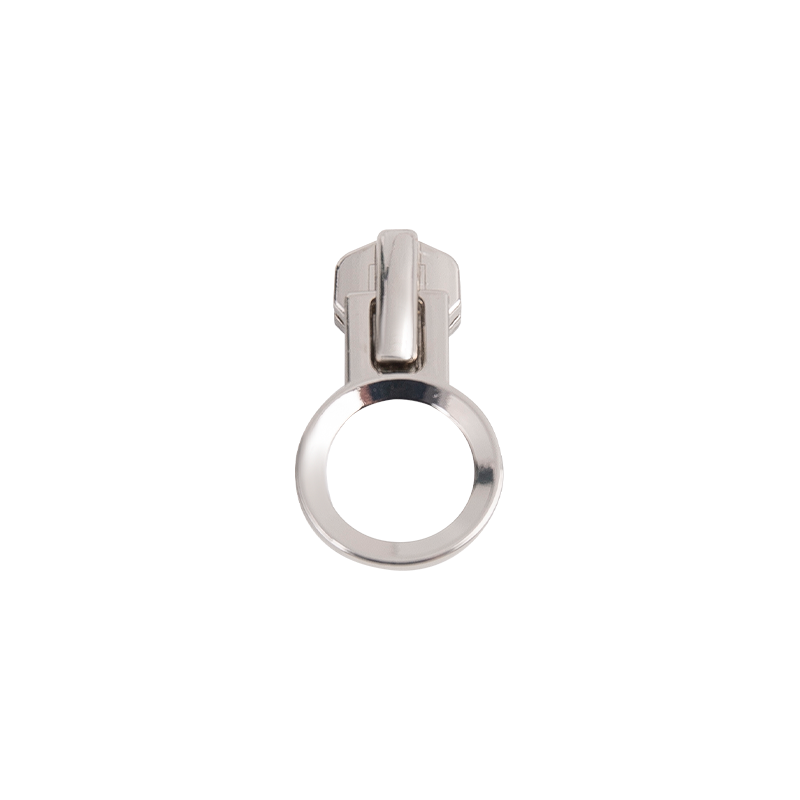
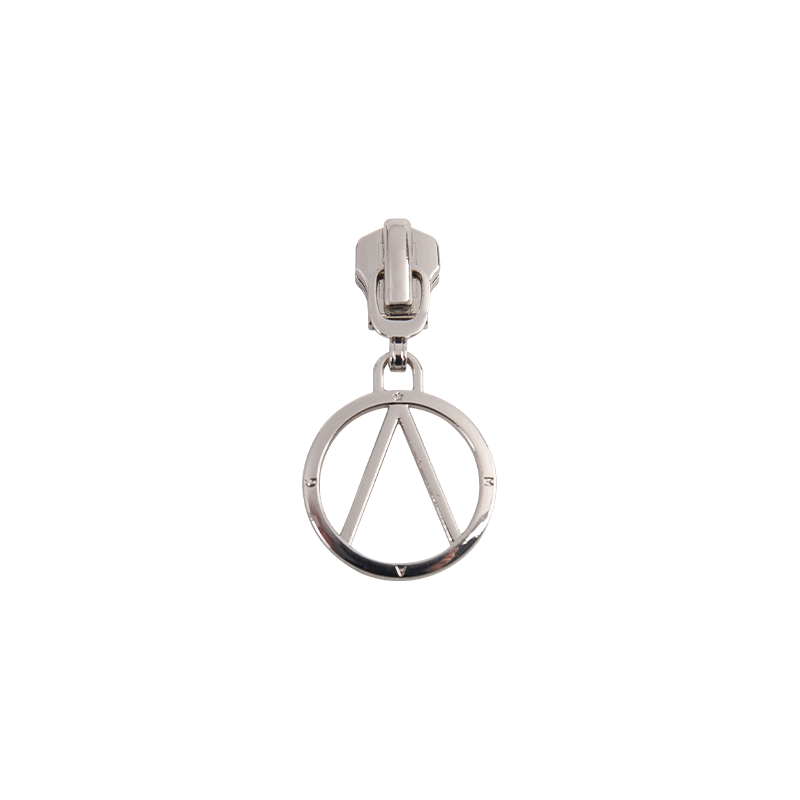
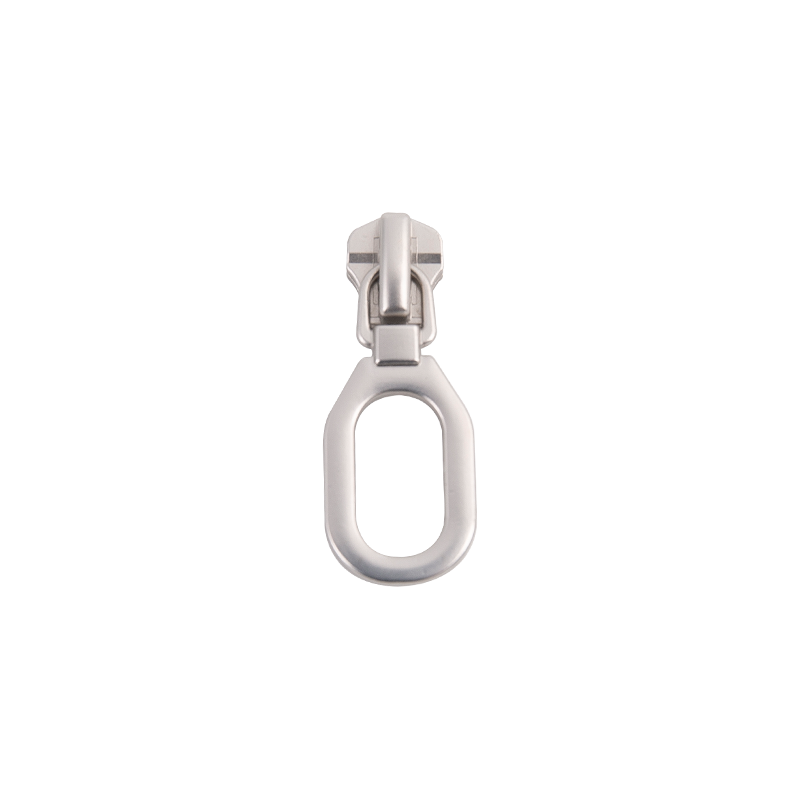
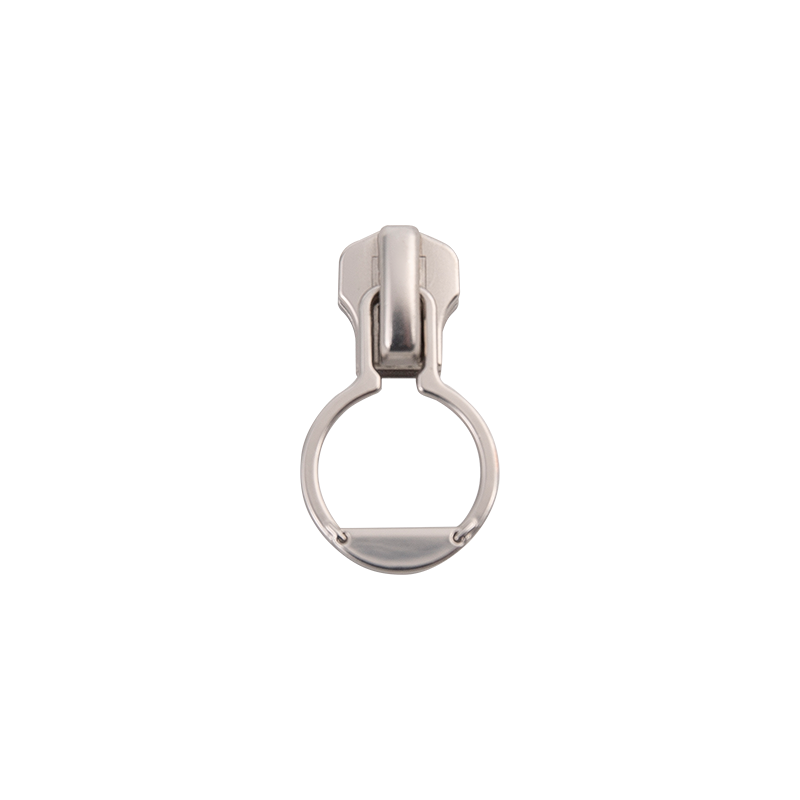
- Pull Tab: Attached to the slider, this is the part a user grips to operate the zipper. Pull tabs range from simple loops to decorative branded accessories.
- Top Stop: A small metal or plastic piece fixed above the teeth at the top of each tape. It prevents the slider from sliding off the upper end of the zipper.
- Bottom Stop / Zipper Top & Bottom Stoppers: Located at the lower end of the teeth on closed-end zippers. It holds the two sides of the tape together and stops the slider from falling off the bottom.
- Metal Zipper Pin & Box: Found exclusively on separating (open-end) zippers such as jacket zippers. The insertion pin on one side slides into the retaining box on the other, allowing the two halves to fully separate and re-connect.
Together, these components form a system that must work in precise coordination. A slider that is even slightly misaligned with the tooth gauge, for example, will jam or skip — regardless of how well the teeth themselves are manufactured.
How Many Teeth Does a Zipper Have?
There is no single fixed number. The total tooth count in any zipper depends on three factors working together: the zipper's length, its gauge (size number), and the spacing between individual teeth.
A useful way to think about it: tooth count = zipper length ÷ tooth pitch, multiplied by two (since both sides carry teeth). Tooth pitch — the center-to-center distance between adjacent teeth on one side — varies by material and gauge.
Here is a reference table showing approximate tooth counts per 10 cm for common zipper gauges:
| Gauge | Tooth Width (mm) | Teeth per 10 cm (coil/nylon) | Teeth per 10 cm (metal) | Teeth per 10 cm (Delrin/plastic) |
|---|---|---|---|---|
| #3 | ~3 mm | 16–18 | 14–16 | 15–17 |
| #5 | ~5 mm | 12–14 | 10–12 | 11–13 |
| #8 | ~8 mm | 9–11 | 8–10 | 8–10 |
| #10 | ~10 mm | 7–9 | 6–8 | 7–9 |
For a practical example: a standard 60 cm jacket zipper in #5 nylon coil would carry roughly 144–168 teeth per side, or 288–336 teeth across both sides combined. A shorter 20 cm bag zipper in the same gauge would have approximately 48–56 teeth per side.
The key takeaway is that finer gauges (#3, #4.5) pack more teeth per centimeter, creating a denser, more flexible chain. Heavier gauges (#8, #10) use fewer, larger teeth optimized for load-bearing applications.

The Three Types of Zipper Teeth Explained
Zipper teeth are not all made the same way. The material and construction method determine how they behave in real-world conditions — and how many teeth per unit length are physically possible.
Coil / Nylon Teeth
Coil teeth are formed from a continuous filament of nylon or polyester wound into a spiral and stitched onto the tape. Because the coil is a single unbroken strand, it creates the densest tooth-per-centimeter count of any zipper type. This also makes coil zippers the most flexible — they follow curved seams, compress easily, and are the standard choice for garments, bags, and invisible zipper applications. Our nylon zipper chain is available in #3, #4, #5, #8, and #10 gauges, with options for waterproof coating, color-matched teeth, and electroplated finishes.
Metal Teeth
Metal teeth are individually stamped from brass, aluminum, or nickel alloy and clamped onto the tape one by one. This manufacturing process results in slightly wider tooth spacing compared to coil zippers, meaning a metal zipper of the same length and gauge carries marginally fewer teeth. What it sacrifices in density, it more than compensates in shear strength and visual impact. Metal zippers are the preferred choice for denim jeans, leather goods, workwear, and premium fashion accessories.
Delrin / Molded Plastic Teeth
Plastic teeth are injection-molded directly onto the tape at precise intervals using polyacetal resin (commonly called Delrin). The molding process fixes each tooth's position exactly, giving plastic zippers a consistent tooth count and excellent resistance to corrosion, UV exposure, and moisture. Our Delrin zipper line is widely used in sportswear, outdoor jackets, and down garments where performance in variable conditions is essential.
How Zipper Gauge Affects Tooth Count and Performance
Zipper gauge — indicated by the number printed on the slider (e.g., #5) — represents the approximate width of the closed teeth in millimeters. This single number is the most important specification when selecting a zipper, because it determines tooth size, tooth count, and ultimately the zipper's mechanical behavior.
Larger gauge numbers mean wider, fewer teeth per unit length. A #10 zipper running 30 cm will have significantly fewer individual teeth than a #3 zipper of the same length. This relationship has direct consequences:
- Higher tooth count (finer gauge): More engagement points per centimeter, greater flexibility, better performance on curved seams, lighter weight. Ideal for garments and soft goods.
- Lower tooth count (heavier gauge): Each individual tooth is larger and carries more load. Better suited to luggage, tents, industrial covers, and outdoor equipment where tensile strength matters more than drape.
The metal zipper slider must always match the gauge of the teeth chain. Using a slider rated for #5 teeth on a #8 chain will cause jamming, misalignment, and accelerated wear on both components. This is one of the most common sourcing errors in production environments.
Choosing the Right Zipper Components for Your Application
Selecting a zipper is never just about picking a length. The right combination of gauge, tooth material, slider type, and end components determines how the finished product will perform across its entire service life. Here is a practical decision framework:
- Apparel (jackets, dresses, trousers): #3–#5 nylon coil or invisible zipper. Lightweight, flexible, low-profile.
- Bags and accessories: #5 metal or Delrin for structure and aesthetics; #5 coil for lightweight everyday carry items.
- Outdoor and technical gear: #8–#10 coil or Delrin with waterproof treatment. Higher tooth count in coil variants improves sealing performance.
- Heavy-duty industrial or workwear: #10 metal with reinforced stops and pin-and-box separating mechanism for repeated heavy use.
Beyond the teeth themselves, always verify that the slider, stops, and pin-and-box components are sourced from the same gauge family. Mixing specifications — even from the same material category — is a leading cause of production-line zipper failures.
Understanding how many teeth a zipper has is more than an academic exercise. It is a direct indicator of flexibility, load distribution, and wear resistance. Whether you are designing a high-volume sportswear line or a specialized outdoor product, the tooth count and component selection you choose today will define the quality your customers experience for years to come.