 en
en  русский
 한국어
한국어 get a free quote

Zippers are one of the most relied-upon fastening devices in the world, found in everything from everyday clothing and luggage to industrial equipment and outdoor gear. Yet most people never stop to think about how they actually work — or what each individual component does. Understanding zipper parts and how many teeth a zipper has is more than a curiosity: it is essential knowledge for manufacturers, buyers, and designers who need to select the right zipper for every application.
Content
The Anatomy of a Zipper: All the Key Parts
A zipper may look simple from the outside, but it is a precisely engineered assembly of multiple interdependent components. Each part plays a specific role in the zipper's ability to open, close, and remain secure under use.
Zipper Teeth (Elements)
The teeth — also called elements — are the interlocking parts on each side of the zipper that mesh together when the slider passes over them. When both sides are engaged, the joined teeth form what is known as the zipper chain. Teeth come in three primary material types: metal (brass, aluminum, or nickel alloy), molded plastic (typically polyacetal resin), and coil (a continuous nylon or polyester filament). Each type has distinct performance characteristics that make it suitable for different end uses.
Zipper Tape
The tape is the fabric strip to which the teeth are attached on both sides of the zipper. It is most commonly woven from polyester, though cotton and synthetic blends are also used. The tape is the part that gets sewn into a garment or product. Its width, weave, and tensile strength directly affect how well the zipper integrates with the surrounding material.
Slider and Pull Tab
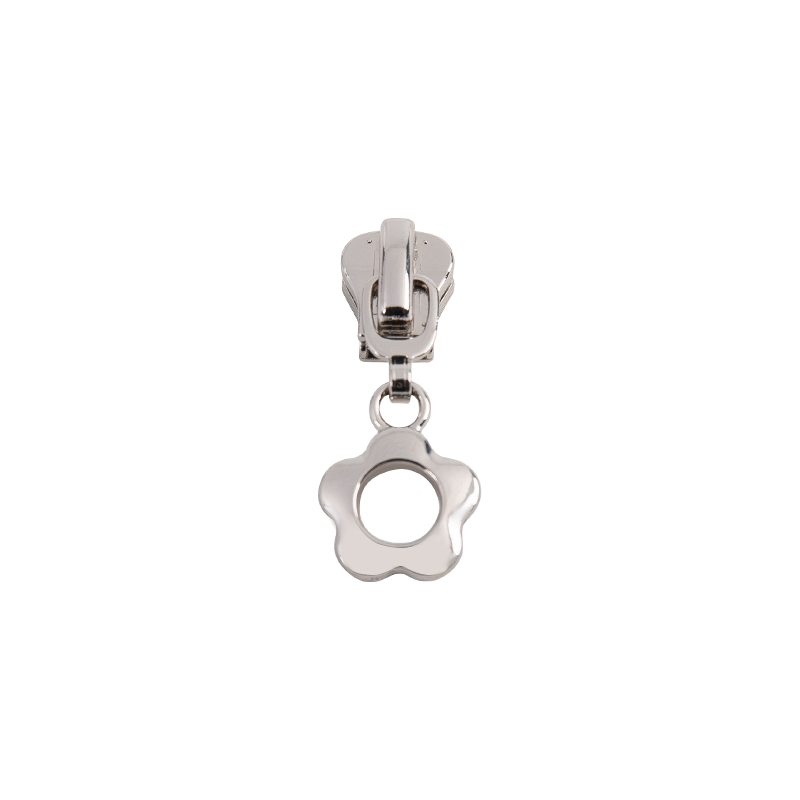
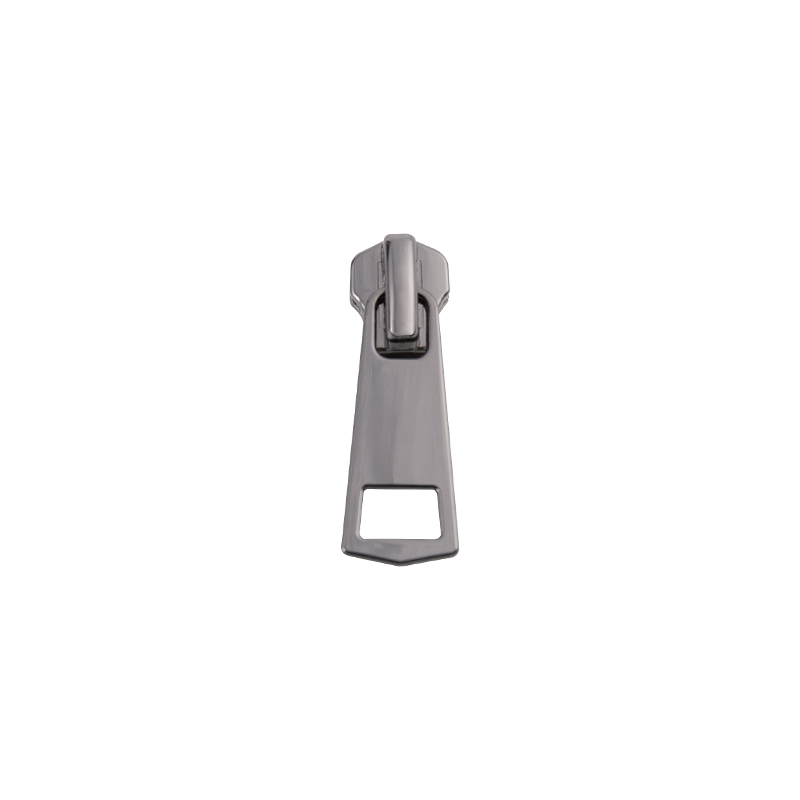
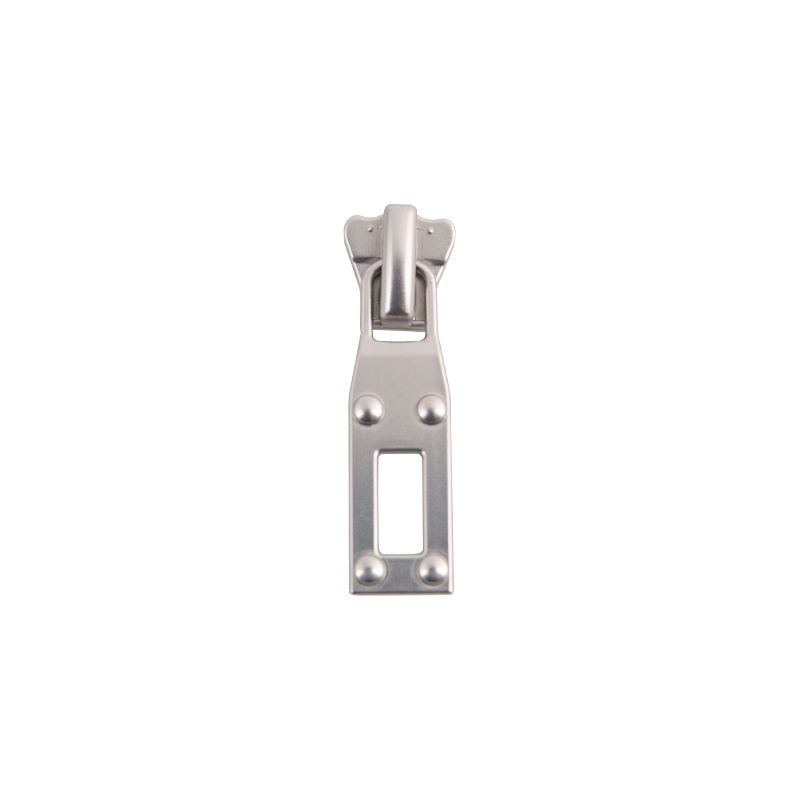
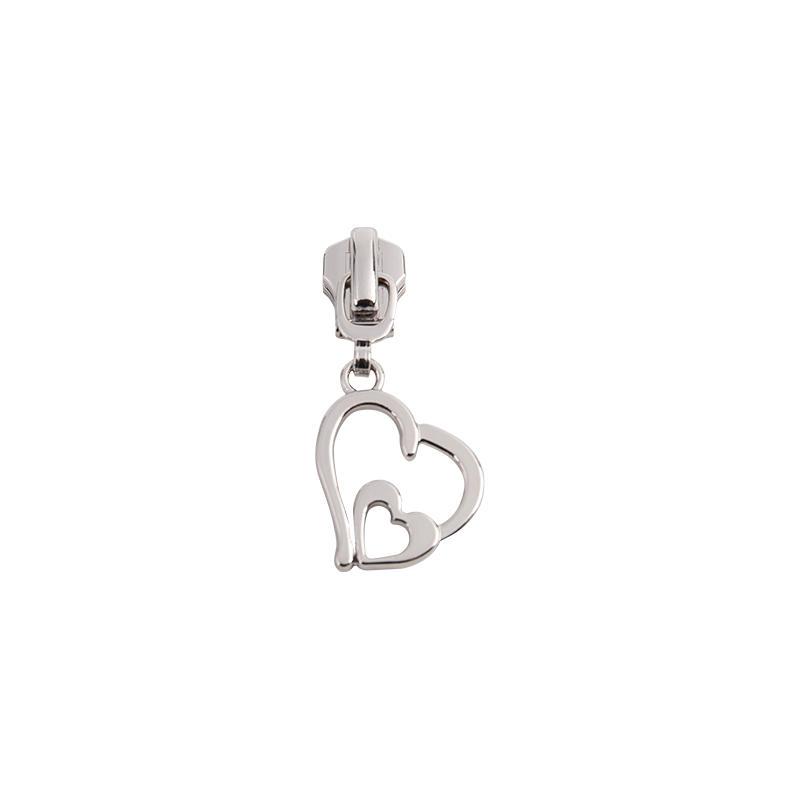
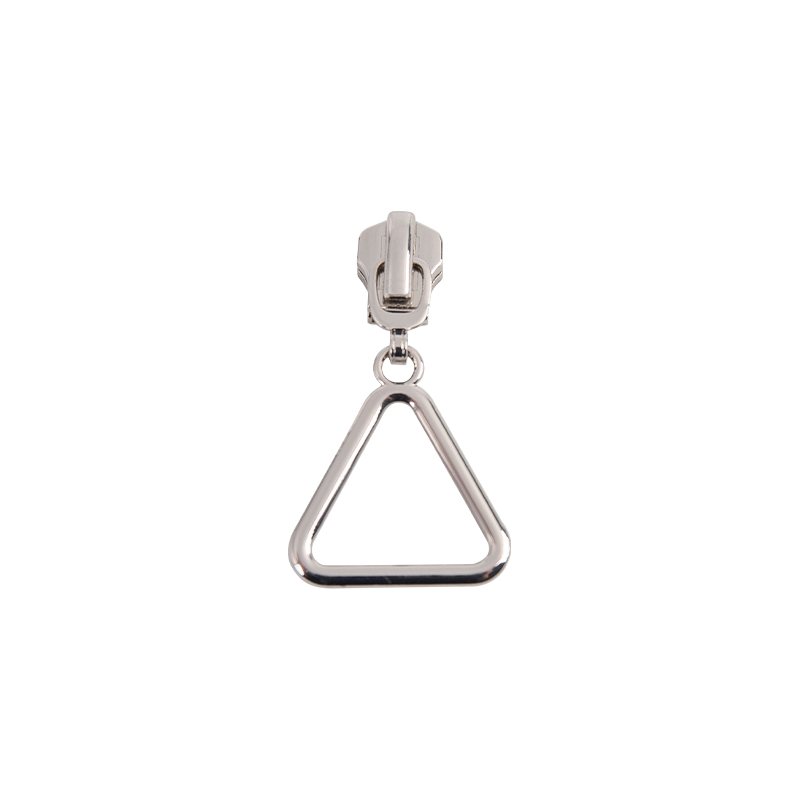
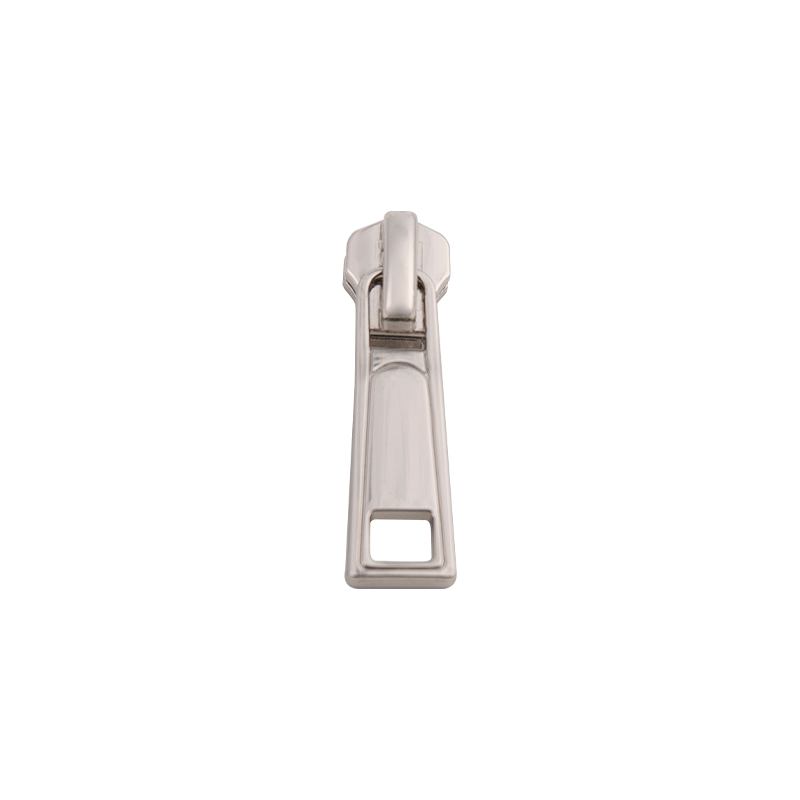
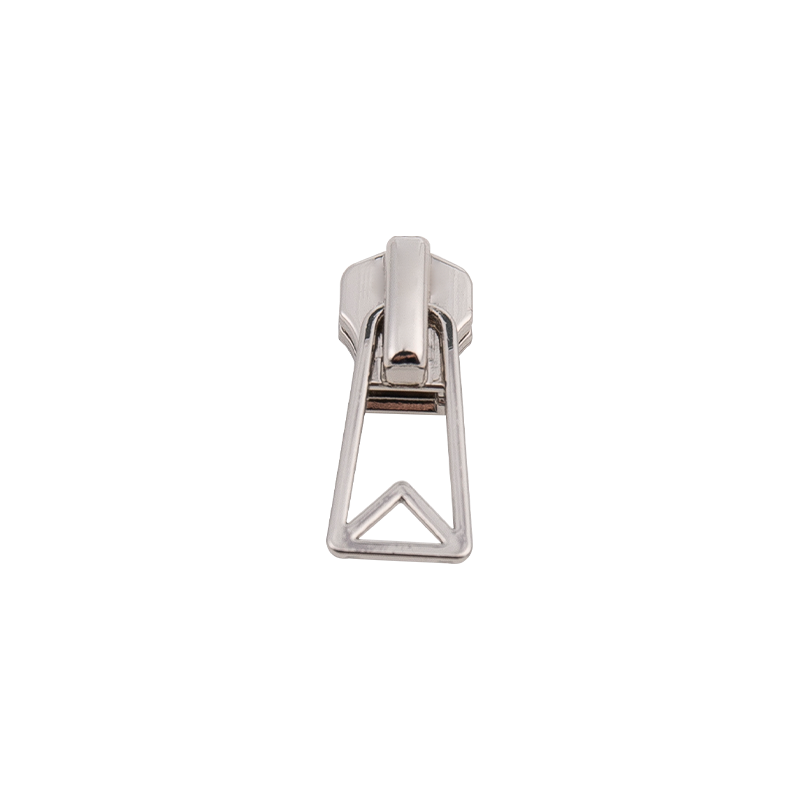
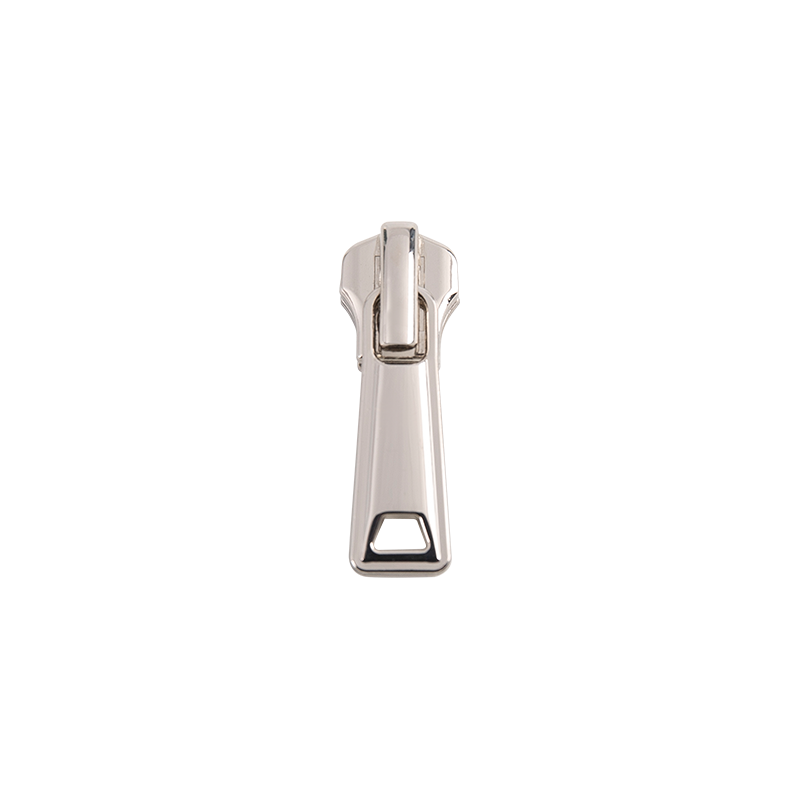
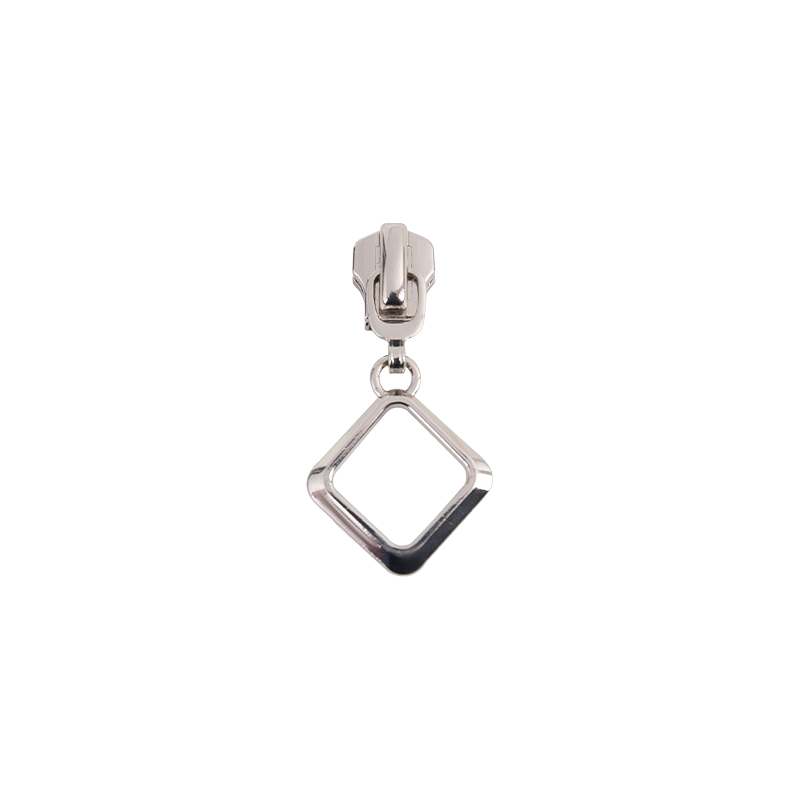
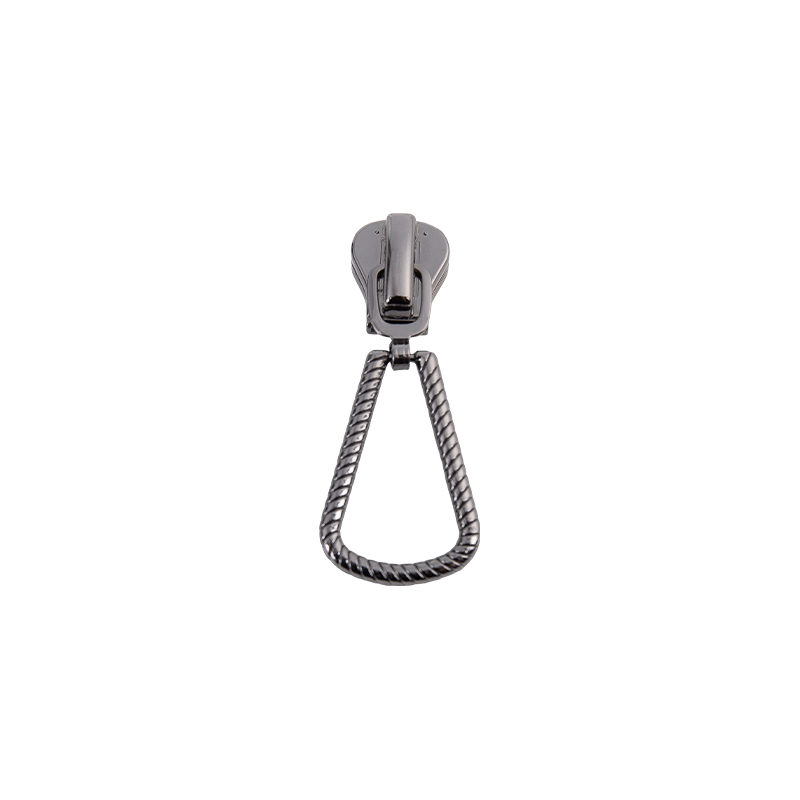
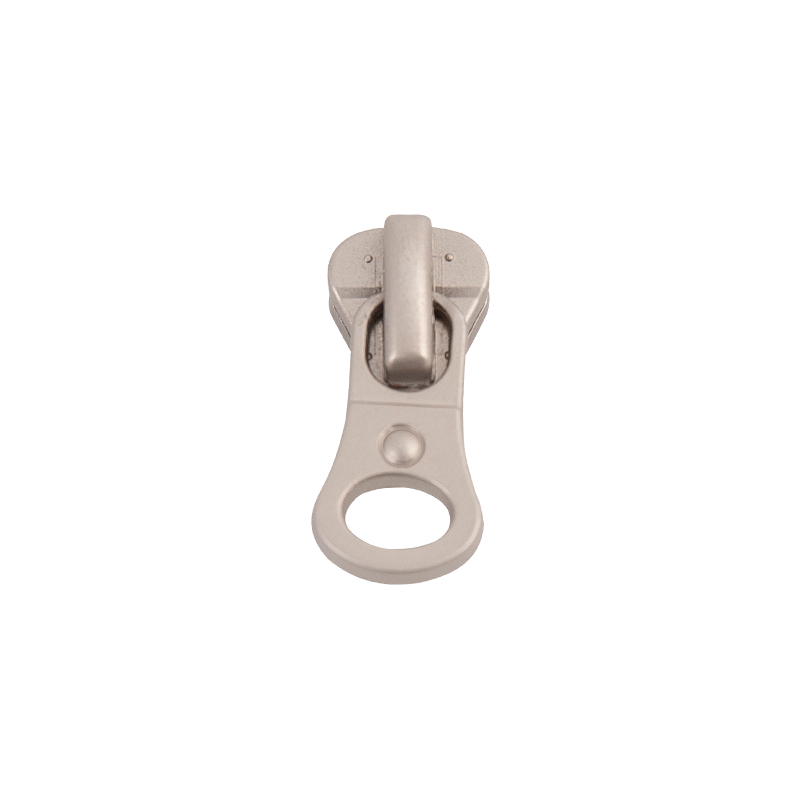
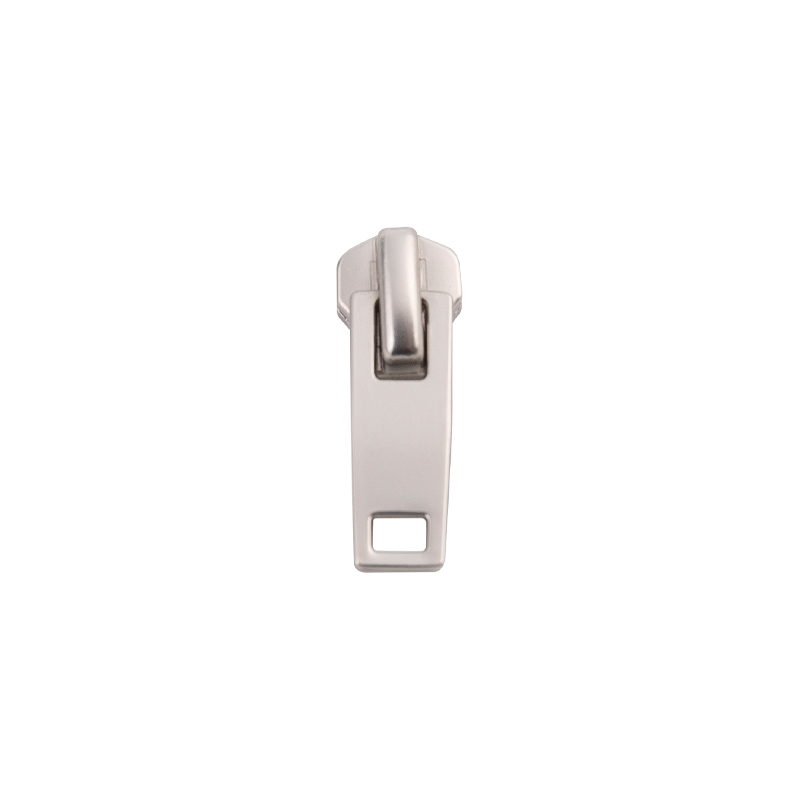
The slider is the moving component that runs along the zipper chain and either joins or separates the teeth as it travels. Inside the slider, a precisely shaped Y-channel guides the teeth into and out of alignment. Attached to the slider is the pull tab — the part you physically hold to move the slider. Pull tabs range from simple functional loops to decorative branded designs that serve as product identifiers.
Top Stop and Bottom Stop
Stops are small but critical components that prevent the slider from running off either end of the zipper. The top stop sits above the uppermost tooth on each side of the tape and keeps the slider from detaching at the top. The bottom stop is a single piece spanning both sides of the tape at the lower end of a non-separating zipper, anchoring the chain together.
Retaining Box and Insertion Pin
Found only on separating zippers — such as those used in jackets — the retaining box and insertion pin replace the bottom stop. The retaining box sits on one side of the tape and receives the insertion pin from the other side, correctly aligning the two halves so the slider can engage the teeth from the bottom up. This mechanism is what allows a jacket zipper to come apart completely.
How Many Teeth Does a Zipper Have?
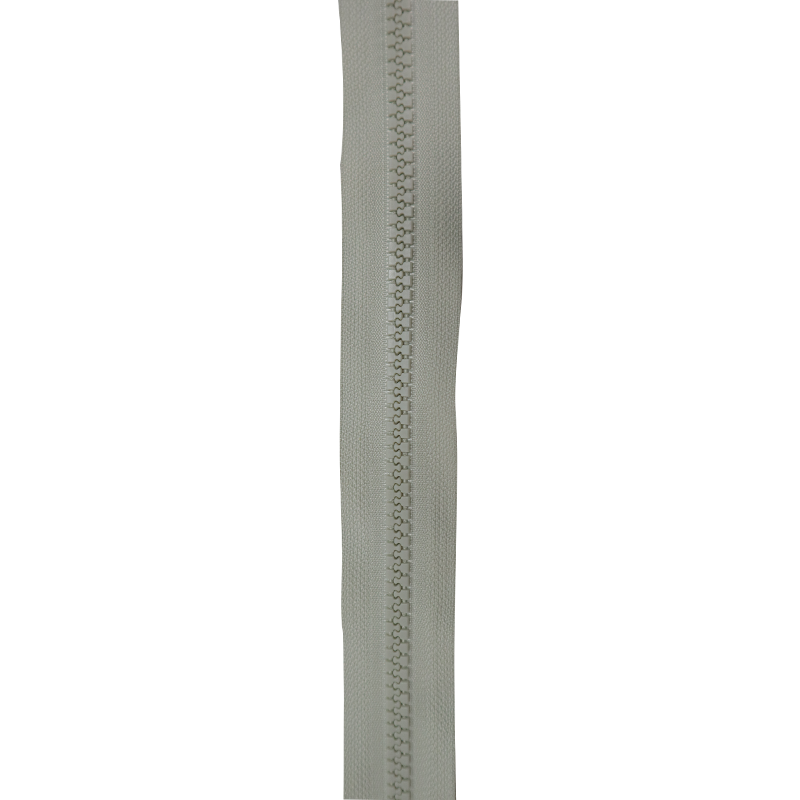
This is one of the most commonly asked questions about zipper anatomy — and the answer is: it depends. There is no universal standard for the number of zipper teeth, because tooth count varies based on zipper length, tooth size, and the specific gauge (size number) of the zipper.
As a general reference, most zippers have between 9 and 10 teeth per inch on each side of the tape. Some designs use as few as 4 teeth per inch, while finer or tighter-pitch zippers can have up to 12 teeth per inch. A common 10-inch zipper with 10 teeth per inch would therefore have approximately 100 teeth per side — or 200 teeth in total across both tape halves.
In practical procurement and manufacturing contexts, however, the number of teeth is rarely specified as a standalone metric. What matters far more is the zipper gauge — the size number that corresponds to the width of the closed teeth measured in millimeters. A #5 zipper, for example, has closed teeth that measure 5mm wide. A #10 zipper has wider, heavier teeth suited to luggage and outerwear. The gauge determines compatibility between the chain and the slider, as well as the overall strength and profile of the finished zipper.
| Zipper Gauge | Closed Teeth Width | Typical Applications |
|---|---|---|
| #3 | ~3mm | Lightweight apparel, pockets, small pouches |
| #5 | ~5mm | Jackets, bags, sportswear, mid-weight garments |
| #8 | ~8mm | Luggage, workwear, upholstery |
| #10 | ~10mm | Heavy-duty bags, tents, industrial applications |
The Three Types of Zipper Teeth: Metal, Plastic, and Coil
Metal teeth are stamped individually from brass, aluminum, or nickel alloys and clamped onto the zipper tape one by one. This traditional manufacturing method produces teeth with excellent lateral resistance — meaning they stay interlocked securely under sideways force. Metal zippers are the preferred choice for denim, boots, leather goods, and any application where durability and a premium aesthetic are priorities. The main trade-off is weight: metal zippers are heavier than the alternatives.
Molded plastic teeth are injection-molded directly onto the zipper tape using resins such as polyacetal (Delrin). The molding process bonds each tooth firmly to the tape, creating a strong and weather-resistant assembly. Molded plastic zippers perform well in outdoor and marine environments where corrosion would degrade metal, and they offer a wide range of color options since pigment is mixed directly into the resin during production.
Coil teeth are formed from a continuous filament of nylon or polyester that is wound into a coil and stitched onto the tape. The resulting zipper is highly flexible, lightweight, and smooth-running — ideal for curved seams, lightweight garments, and applications where minimum weight is critical. Coil zippers are also the basis for invisible zippers, where the coil is designed to hide behind the tape when the zipper is closed, creating a seamless look in dresses and skirts.
Why Zipper Part Quality Matters for Manufacturers and Buyers
In commercial and industrial sourcing, the quality of every zipper component — not just the teeth — determines the overall performance and lifespan of the finished product. A zipper chain with well-formed teeth can still fail prematurely if paired with a slider whose internal channel dimensions are out of tolerance. Similarly, a slider with a poor locking mechanism will cause the zipper to creep open under load, which is unacceptable in luggage, workwear, or outdoor gear.
For procurement teams, specifying zipper components individually offers significant advantages over sourcing pre-assembled zippers. Buyers can select the zipper slider material, finish, and locking type independently from the chain, allowing for precise matching of performance requirements and aesthetic standards. This level of control is particularly valuable for brands producing differentiated products where the zipper itself is a visible design element.
Reliable component sourcing also supports inventory flexibility. Facilities that stock zipper chains and sliders separately can configure zippers to custom lengths on demand, reducing waste and lead time compared to ordering finished zippers in fixed lengths.
How to Measure a Zipper Correctly
Zipper measurement is a practical skill for anyone sourcing or specifying zippers in a manufacturing context. The length of a zipper is measured from the top stop to the bottom stop (or to the bottom of the retaining box on a separating zipper), and does not include the tape extensions above or below the functional elements.
To determine the gauge of an unfamiliar zipper, close it and measure the width of the teeth in millimeters — excluding the tape on either side. This measurement corresponds directly to the zipper's size number. Matching sliders must be specified to the same gauge and teeth type: a #5 slider for metal teeth will not function correctly on a #5 coil chain, as the internal channel geometry differs between tooth types.
Conclusion
Understanding zipper parts — from the teeth and tape to the slider, stops, and retaining box — gives manufacturers, designers, and buyers the foundation they need to make better sourcing decisions. While the question of how many teeth a zipper has does not have a single fixed answer, knowing that tooth density, gauge, and material type all interact to determine zipper performance is the insight that truly matters.
Whether you are sourcing metal zipper sliders, coil chains, or fully finished separating zippers, working with a specialist manufacturer ensures that every component meets your performance, aesthetic, and volume requirements. Contact our team to discuss specifications or request samples for your next project.