 en
en  русский
 한국어
한국어 get a free quote

Content
What Are Zipper Sliders and Pullers
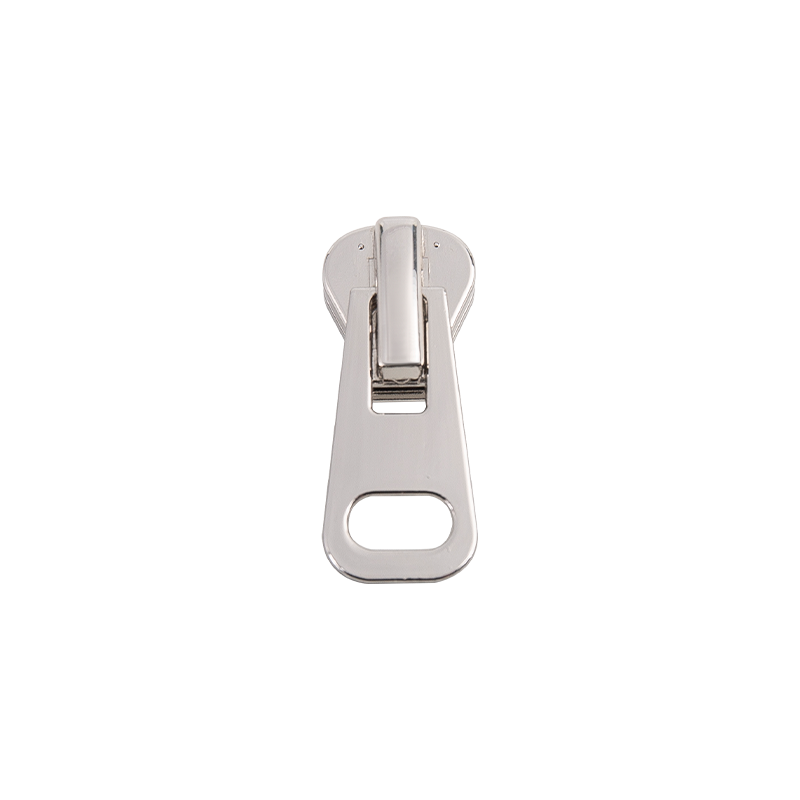
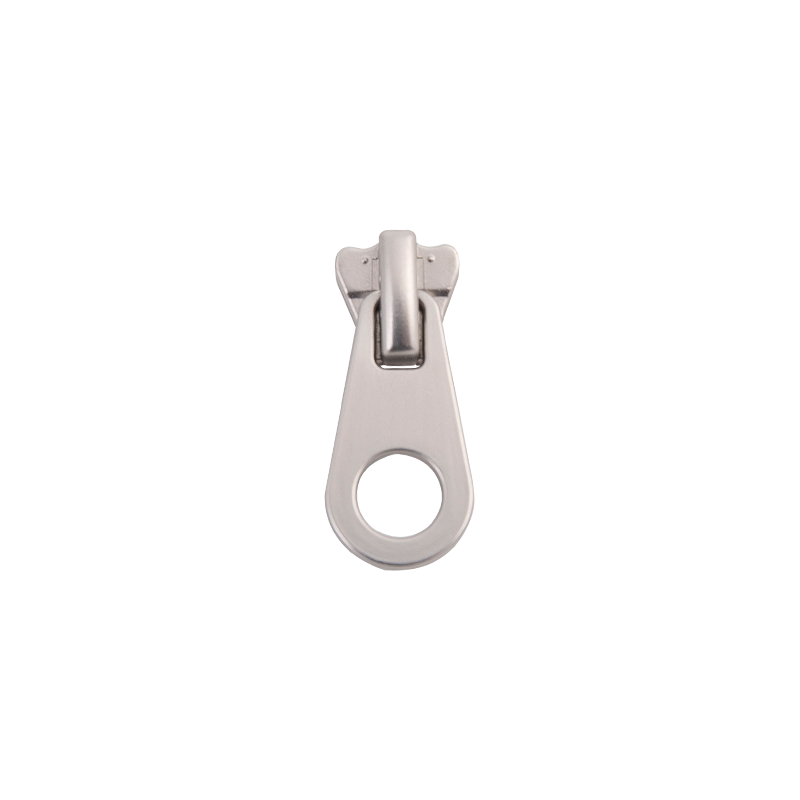
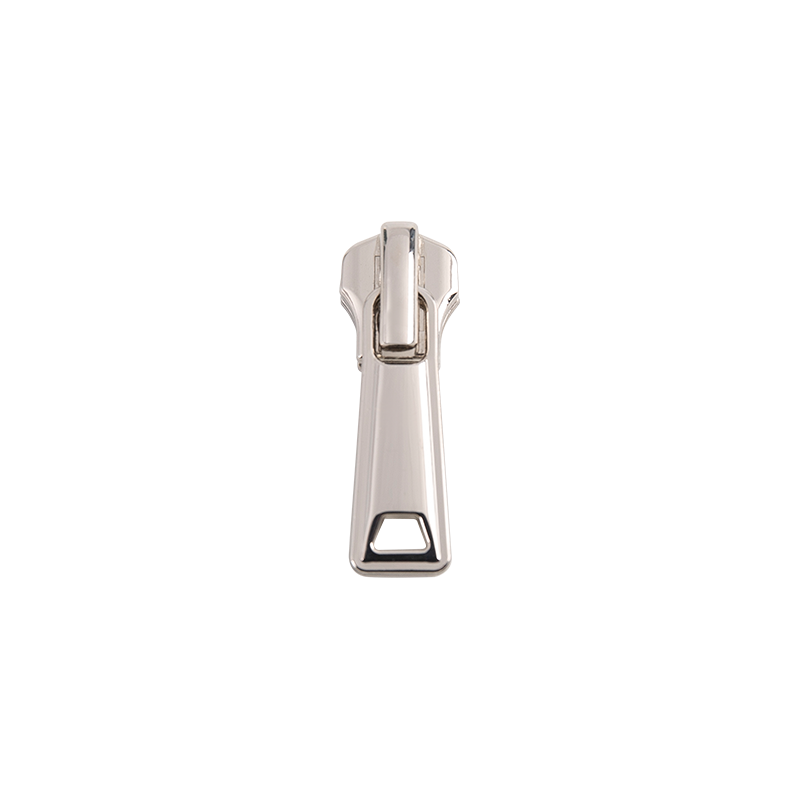
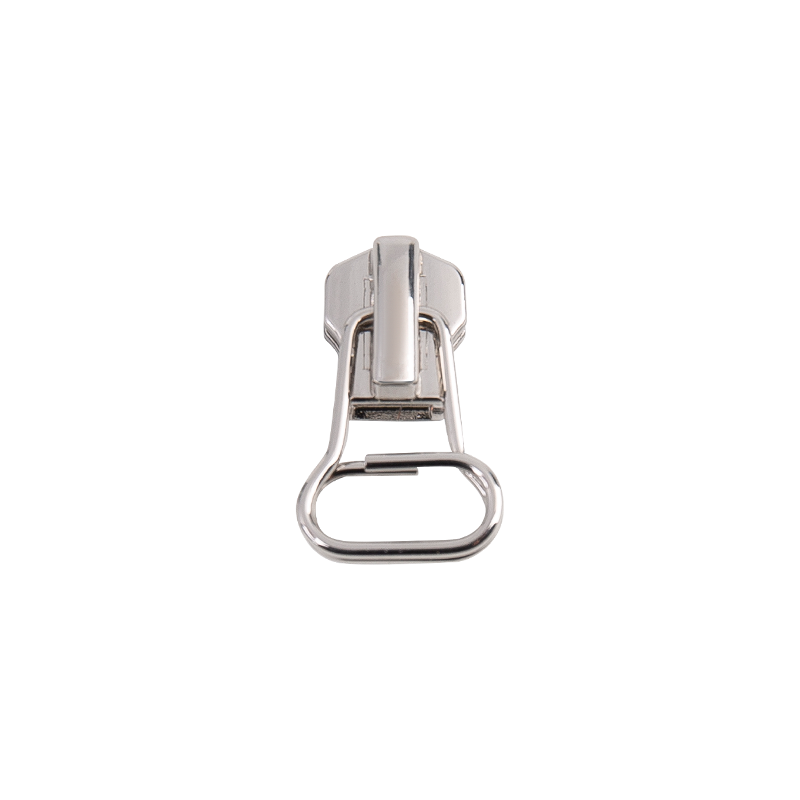
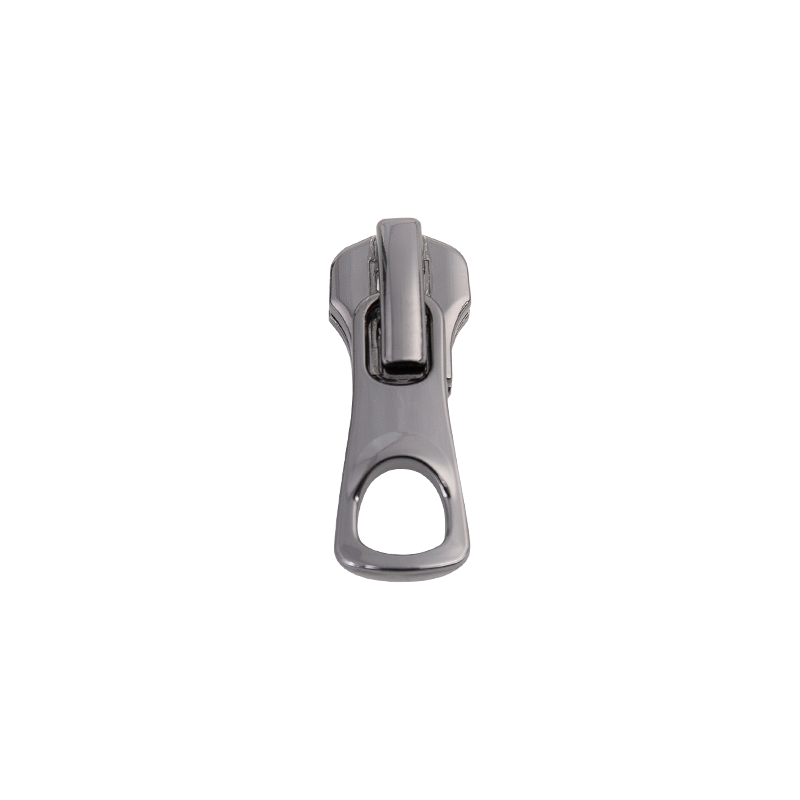
A zipper slider is the moving component that opens and closes a zipper by interlocking or separating the teeth, while the puller is the tab attached to the slider that you grip to operate it. Together, these two parts form the functional heart of any zipper system, whether on jackets, bags, tents, or luggage. The slider contains an internal mechanism with a Y-shaped channel that forces the zipper teeth together as you pull upward and separates them when pulled downward.
Most zipper failures occur at the slider rather than the teeth themselves. Understanding how these components work and how to maintain or replace them can extend the life of your clothing and accessories significantly, saving you from costly replacements or professional repairs.
Types of Zipper Sliders
Different applications require different slider designs. Selecting the correct type is essential for proper zipper function and durability.
Auto-Lock Sliders
Auto-lock sliders feature an internal mechanism that prevents the slider from moving unless the puller is lifted. When you release the puller, it locks in position automatically. These are commonly used on pants, skirts, and bags where you need the zipper to stay in place without holding it. According to industry data, approximately 60% of garment zippers use auto-lock mechanisms due to their reliability.
Non-Lock Sliders
Non-lock sliders move freely along the zipper chain without any locking mechanism. They're lightweight and smooth-operating, making them ideal for applications where the zipper doesn't need to hold against pressure, such as pencil cases, light jackets, or decorative clothing elements.
Pin-Lock and Box-Lock Sliders
Pin-lock sliders require the puller to be in the down position to lock, while box-lock sliders lock when the puller is parallel to the zipper chain. Pin-lock designs are frequently found on heavy-duty jackets and outdoor gear, where they provide superior holding strength against tension.
| Slider Type | Locking Mechanism | Common Applications | Key Advantage |
|---|---|---|---|
| Auto-Lock | Automatic when released | Pants, bags, backpacks | Hands-free locking |
| Non-Lock | None | Light jackets, pouches | Smooth operation |
| Pin-Lock | Locks when puller down | Heavy jackets, tents | Maximum strength |
| Box-Lock | Locks when horizontal | Luggage, sleeping bags | Versatile positioning |
Common Zipper Puller Designs
The puller serves both functional and aesthetic purposes. While it needs to be easy to grip, it also contributes to the overall design of the garment or product.
Standard Tab Pullers
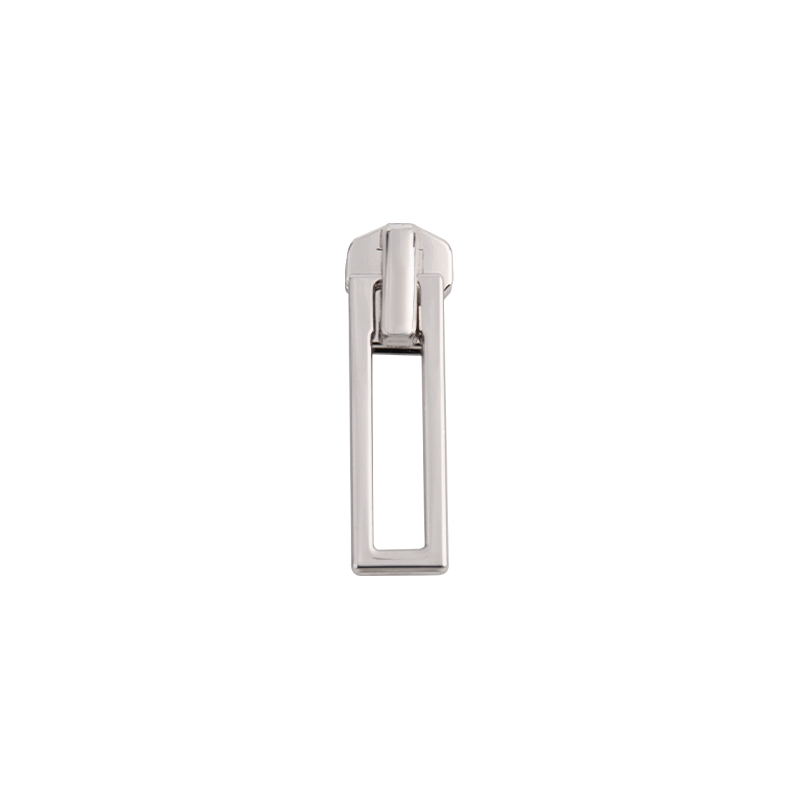
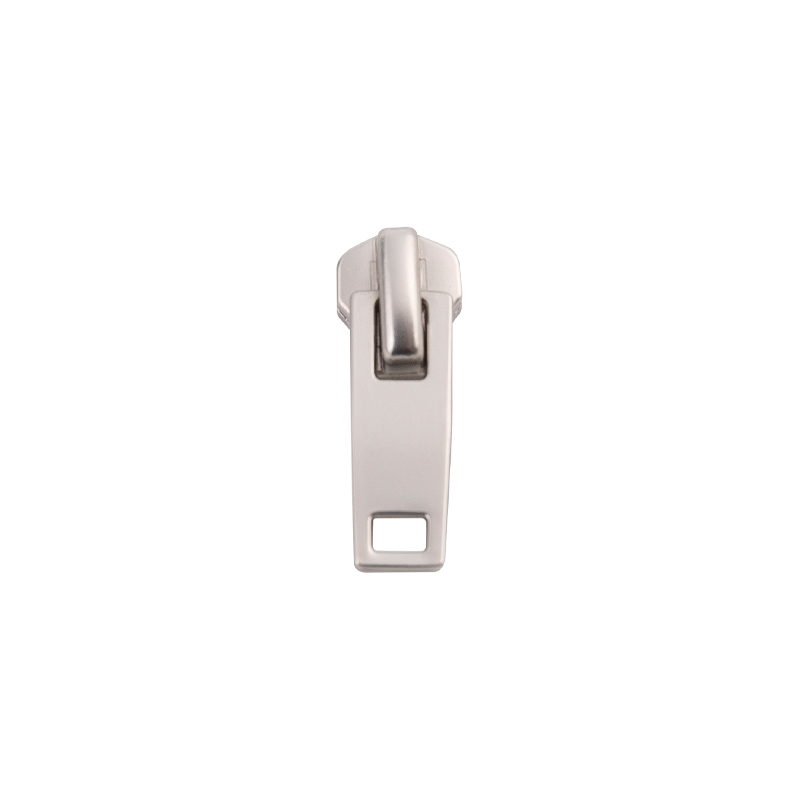
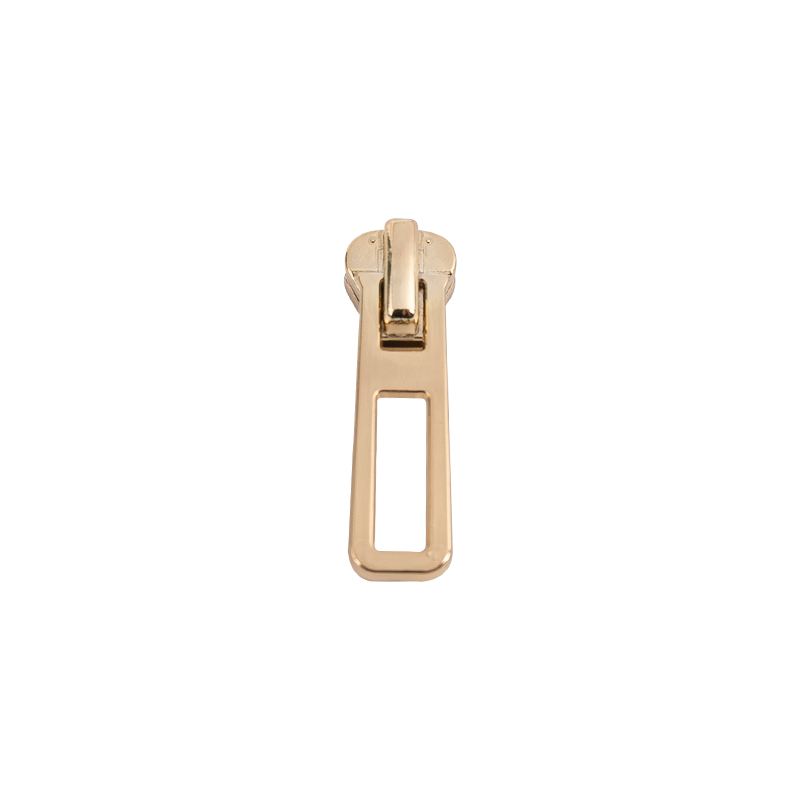
Flat metal or plastic tabs are the most common puller design, offering a simple, low-profile solution that works for most applications. They typically measure 15-25mm in length and can be easily replaced if broken.
Loop and Cord Pullers
Fabric loops or cords attached to the slider provide better grip, especially important for outdoor gear where you might be wearing gloves. Studies show that cord pullers improve zipper operation efficiency by approximately 40% when wearing heavy gloves, making them essential for winter jackets and camping equipment.
Decorative and Branded Pullers
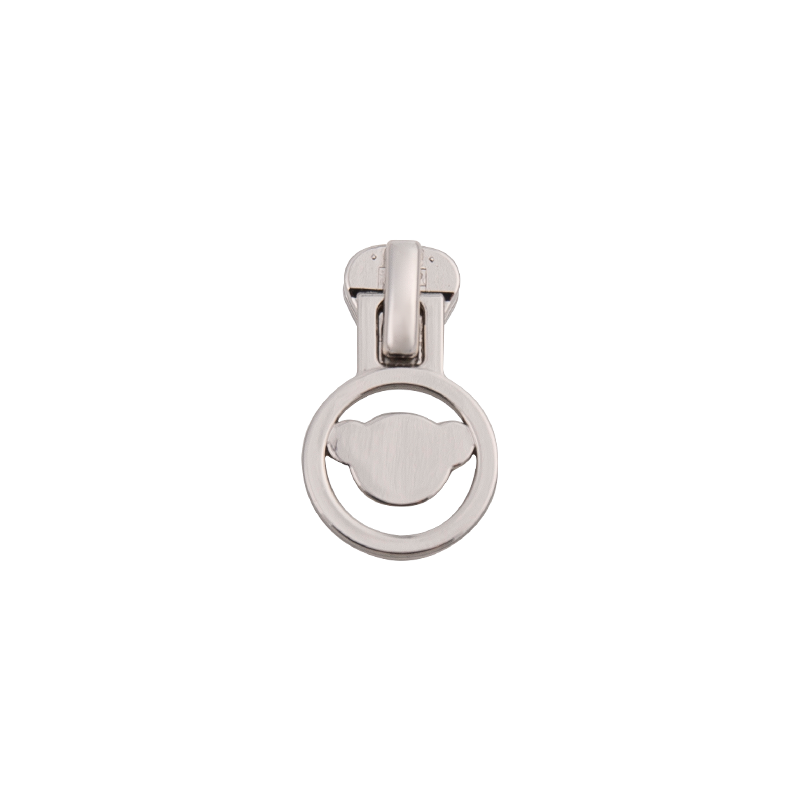
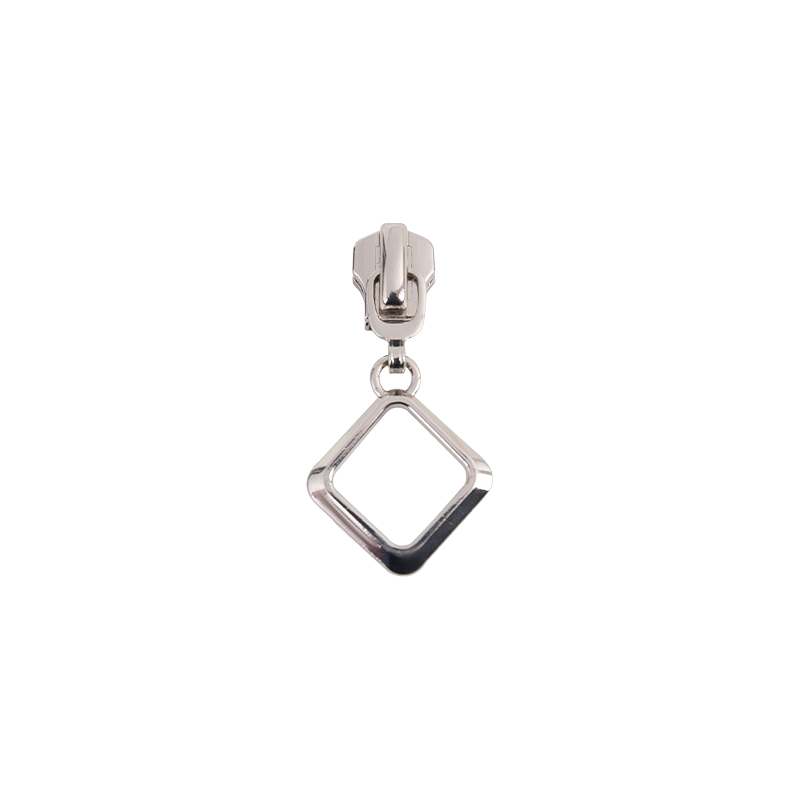
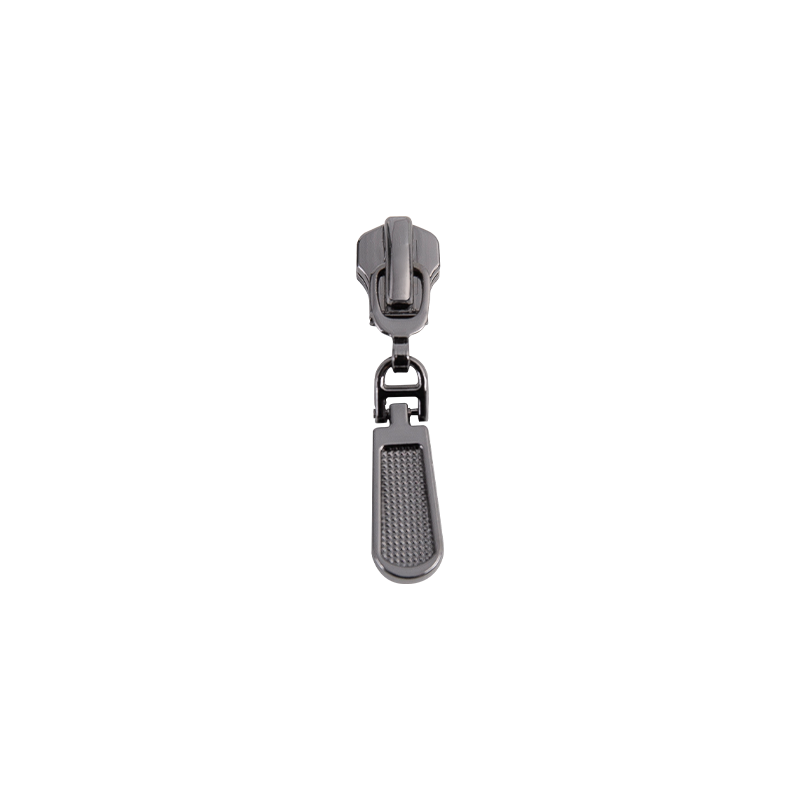
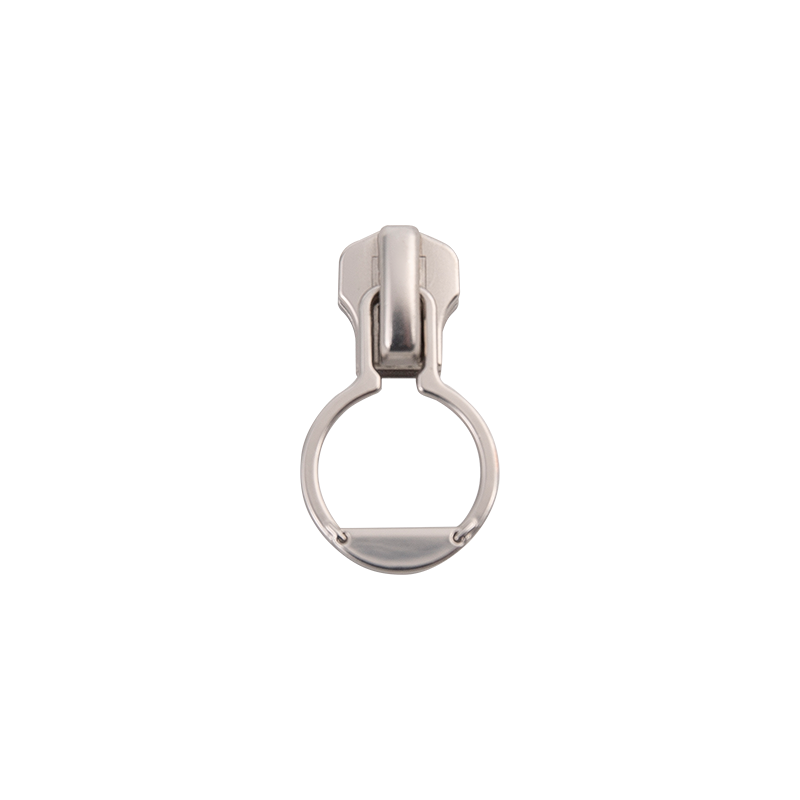
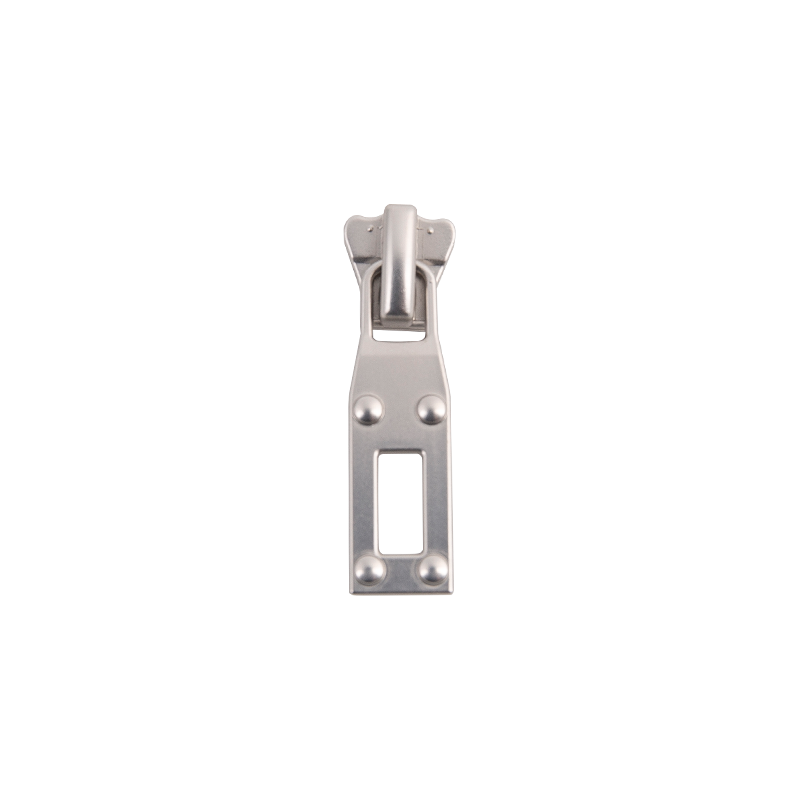
Many manufacturers use custom-shaped pullers with logos or unique designs to enhance brand identity and aesthetic appeal. These can be made from metal, leather, plastic, or rubber, and often serve as a distinctive design element on high-end bags and apparel.
Common Problems and Quick Fixes
Most zipper issues can be resolved without professional help if you understand the underlying problem and have basic tools.
Slider Too Loose
When the slider becomes loose, it fails to properly interlock the zipper teeth. This happens because the slider's internal channel widens over time from repeated use. The fix involves gently squeezing the slider with pliers on both sides to narrow the gap. Apply pressure gradually, testing the zipper between adjustments. Over-tightening can crack the slider, so work incrementally.
Broken Puller Tab
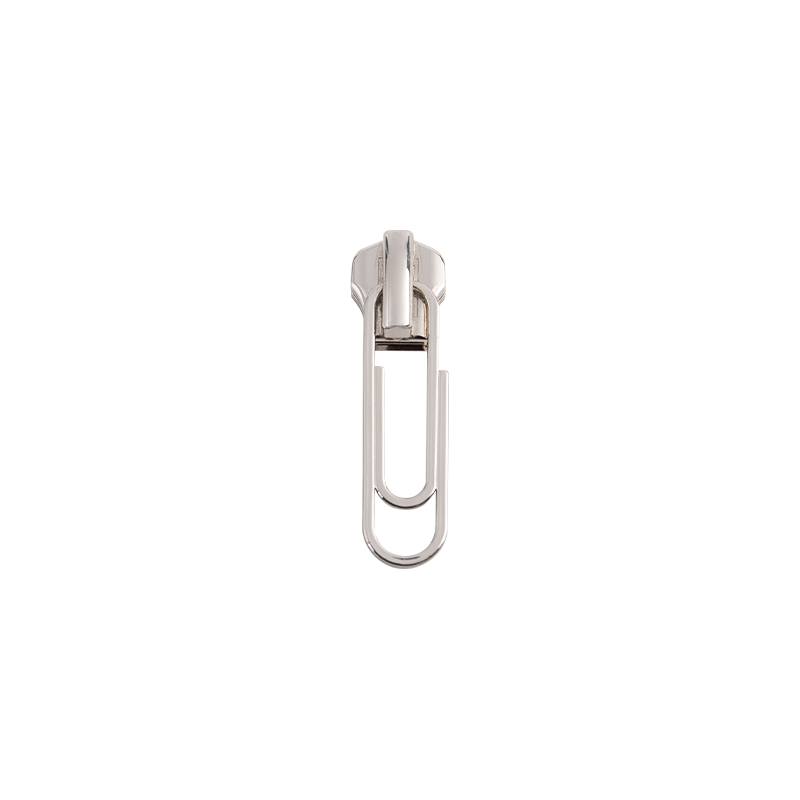
A broken puller doesn't require replacing the entire slider. You can create a temporary replacement using a paperclip, keyring, or small cord threaded through the slider hole. For a more permanent solution, replacement puller tabs are available online for $1-3 and typically attach with a small split ring.
Slider Separating From Track
If the slider comes completely off the zipper chain, you'll need to rethread it. For closed-end zippers, this requires removing the top stop, sliding the slider back on from the correct direction, then replacing or creating a new stop with a few hand stitches. Open-end zippers require careful insertion of the pin into the slider box before closing.
How to Replace a Zipper Slider
Replacing a slider is often more practical than replacing an entire zipper, saving both money and time. The process requires identifying the correct replacement and following proper installation steps.
Identifying the Correct Replacement
Zipper sliders are sized according to the zipper chain they fit. The size is usually stamped on the back of the slider, typically ranging from #3 (3mm teeth) to #10 (10mm teeth). You also need to match the zipper type: coil (nylon), metal, or plastic molded teeth. Each requires a specifically shaped slider channel.
Step-by-Step Replacement Process
Follow these steps for successful slider replacement:
- Remove the top stop by carefully prying it off with small pliers or cutting the stitches if it's sewn
- Slide the old slider off the top of the zipper chain
- Position the new slider with the pull tab facing the correct direction (usually outward)
- Thread both sides of the zipper tape through the slider channel simultaneously
- Test the zipper function by pulling it up and down several times
- Replace the top stop with a new metal stop or several secure hand stitches
This repair typically takes 5-10 minutes and costs $2-5 for replacement parts, compared to $15-40 for professional zipper replacement.
Maintaining Sliders and Pullers for Longevity
Proper maintenance can extend zipper life by 3-5 years, preventing most common failures before they occur.
Regular Lubrication
Apply lubricant to zipper teeth every few months or when you notice resistance. Graphite pencil rubbing, candle wax, or specialized zipper lubricants work effectively. Avoid oil-based products as they attract dirt and can stain fabric. Run the zipper several times after application to distribute the lubricant evenly.
Proper Operation Technique
Operating zippers correctly prevents premature wear. Always ensure the zipper tape is flat and unstressed before closing, pull the slider straight without angling, and avoid forcing a stuck zipper. When zipping jackets, hold the bottom of the zipper tape taut while pulling the slider up to prevent misalignment.
Cleaning and Storage
Keep zippers clean by brushing away dirt and debris from teeth and the slider channel. Before washing items with zippers, close them completely to prevent snagging and reduce stress on the slider. Store items with zippers fully closed to maintain proper alignment and prevent the slider from bouncing and wearing the teeth.
Where to Buy Replacement Parts
Replacement sliders and pullers are widely available through multiple channels, each with distinct advantages.
Online Retailers
Amazon, eBay, and specialty sites like ZipperStop offer extensive selections with prices ranging from $0.50 to $5 per slider. Multi-packs provide better value, typically offering 10-20 assorted sliders for $10-15. The main advantage is variety and convenience, though shipping times may range from 2-14 days.
Fabric and Craft Stores
Stores like Joann Fabrics, Michaels, and local sewing shops stock basic zipper repair supplies. Prices are slightly higher, but you can examine parts before purchasing and get immediate assistance from staff. This option works best when you need parts the same day or want expert guidance on selection.
Manufacturer Direct
Major zipper manufacturers like YKK, Ideal, and Coats offer replacement parts through their websites or authorized distributors. While potentially more expensive, these guarantee authentic parts that match original specifications, particularly important for high-quality outdoor gear or specialized applications.
When to Replace vs. Repair
Understanding when repair is worthwhile versus when full zipper replacement is necessary helps you make cost-effective decisions.
Repair the slider or puller when:
- The zipper teeth are intact and undamaged
- Only the slider is loose or the puller is broken
- The item is otherwise in good condition and worth saving
- Replacement parts cost less than $10 and you have basic tools
Replace the entire zipper when:
- Multiple teeth are missing or damaged along the chain
- The fabric tape is torn or separating from the teeth
- The zipper repeatedly fails after slider adjustment
- The item is valuable enough to justify professional installation costs of $20-50
For everyday items like jeans or light jackets, slider replacement offers excellent value. For expensive outdoor gear, leather goods, or sentimental items, professional full zipper replacement ensures proper function and preserves the item's integrity.