 en
en  русский
 한국어
한국어 get a free quote

Content
- 1 A malfunctioning zipper slider or broken puller doesn’t just inconvenience—it can render a jacket, bag, or tent unusable. Fortunately, most zipper issues stem from worn sliders or detached pullers, both of which are easily replaceable with the correct size, type, and material match.
- 2 Slider Anatomy and Function
- 3 Materials and Durability Comparison
- 4 Zipper Gauge Compatibility
- 5 Puller Design and Attachment Methods
- 6 Common Failure Modes and Fixes
- 7 Sourcing and Replacing Components
- 8 Design Tips for Product Developers
A malfunctioning zipper slider or broken puller doesn’t just inconvenience—it can render a jacket, bag, or tent unusable. Fortunately, most zipper issues stem from worn sliders or detached pullers, both of which are easily replaceable with the correct size, type, and material match.
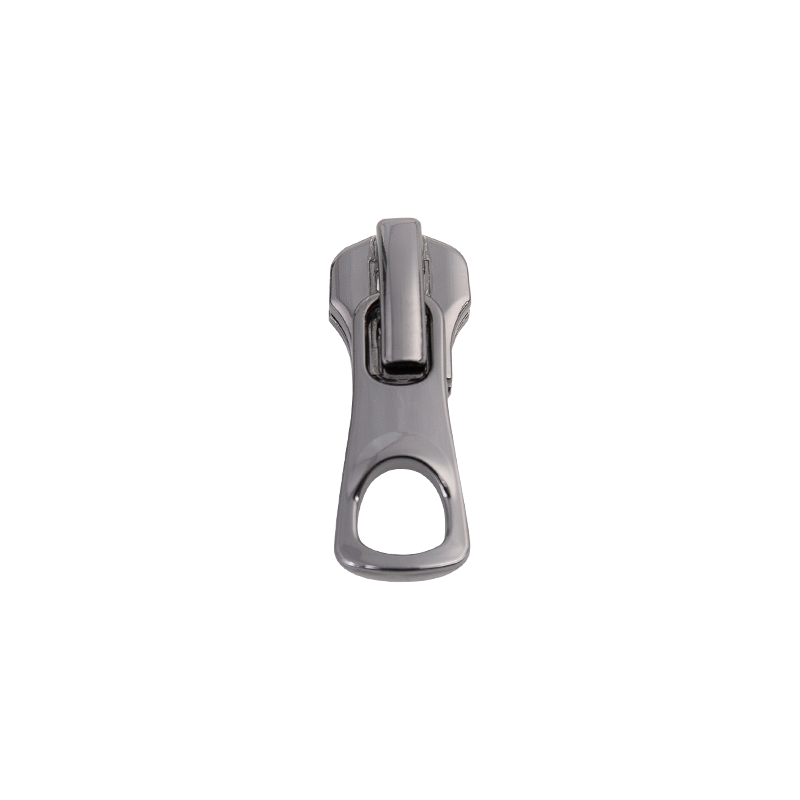
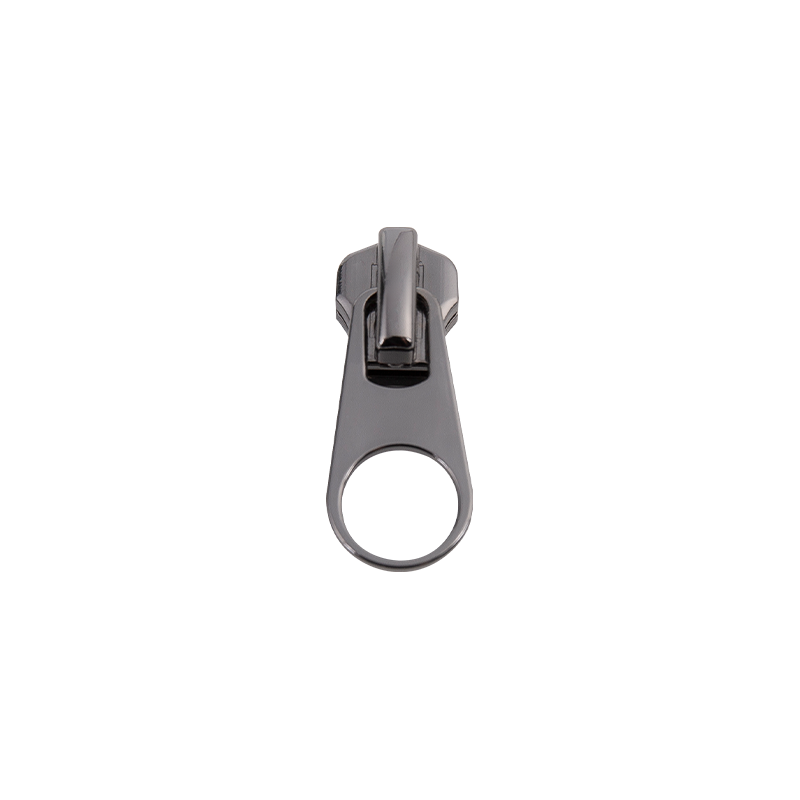
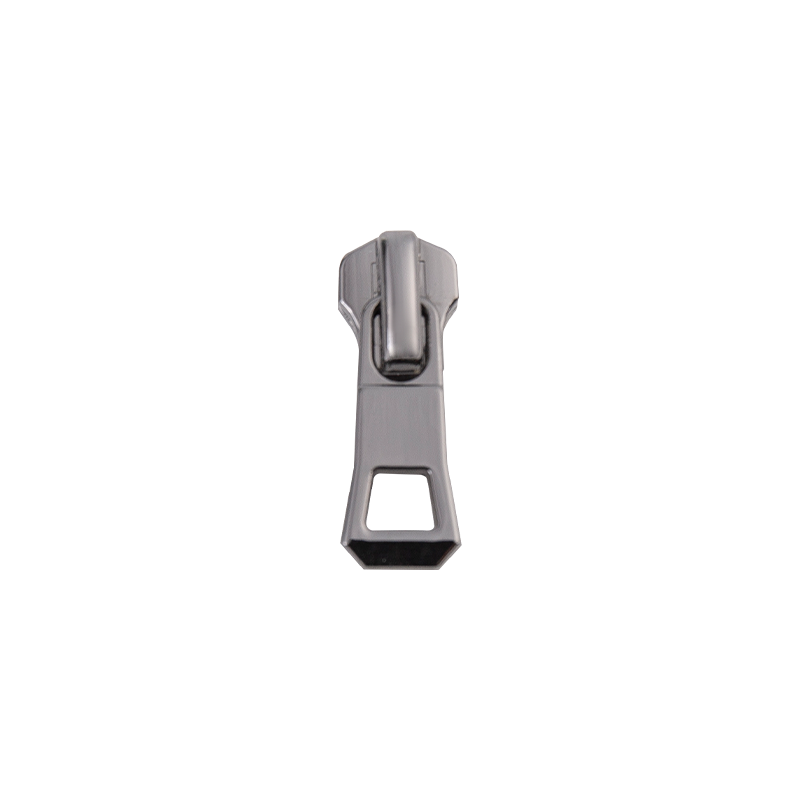
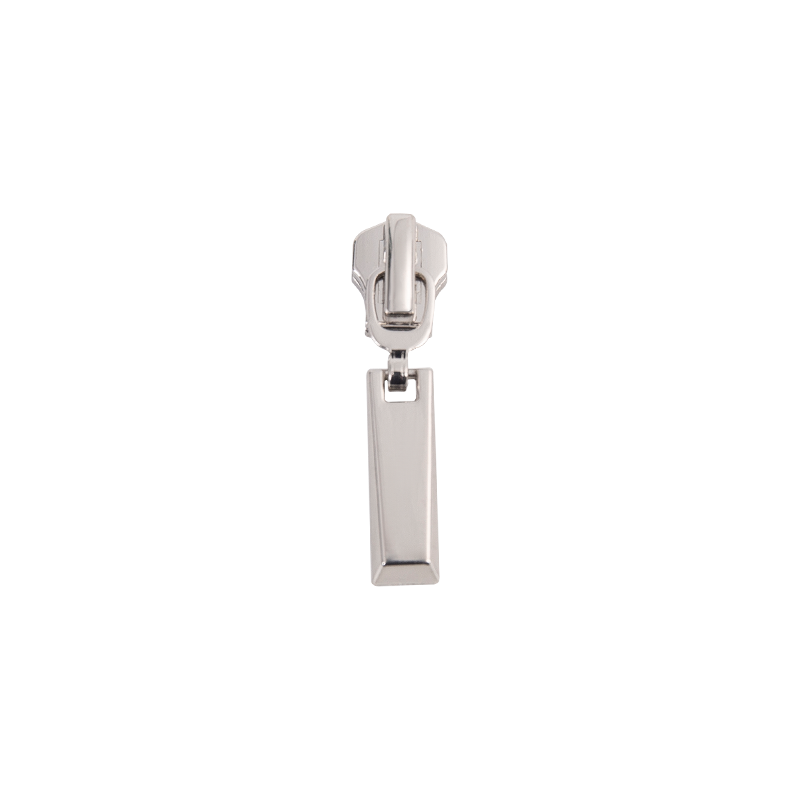
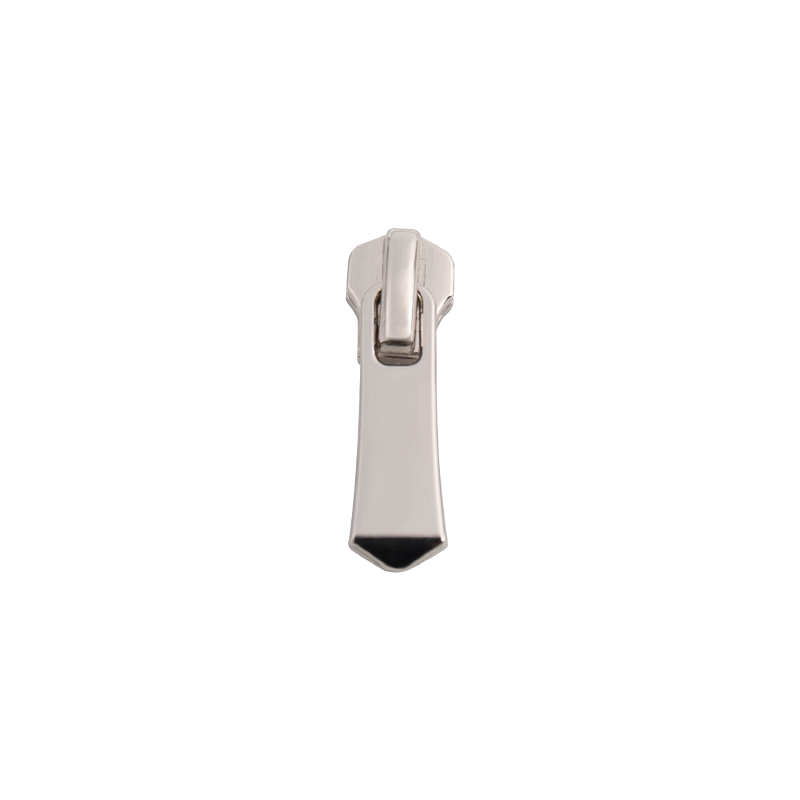
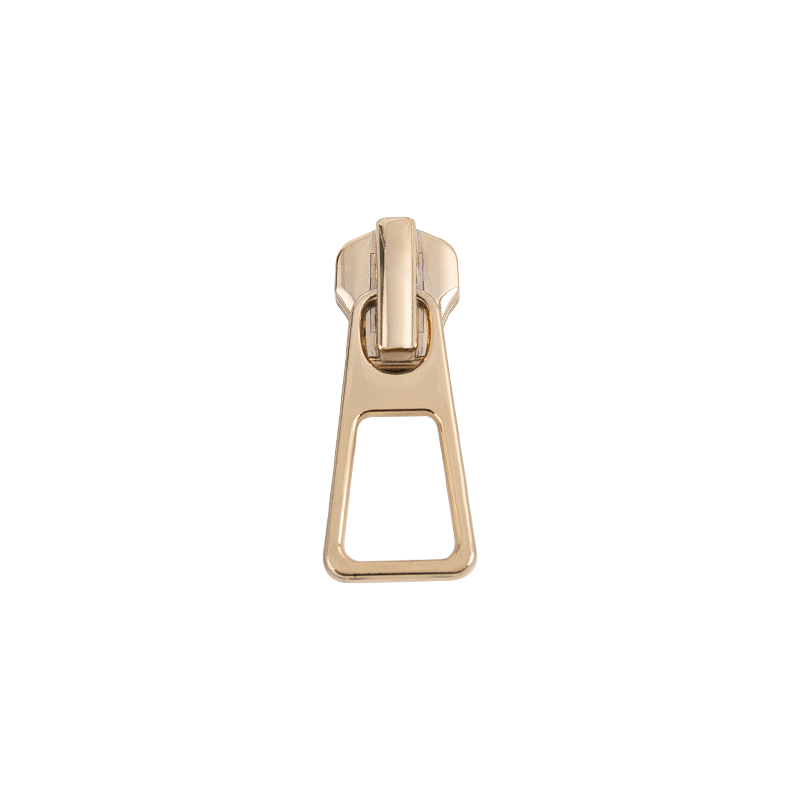
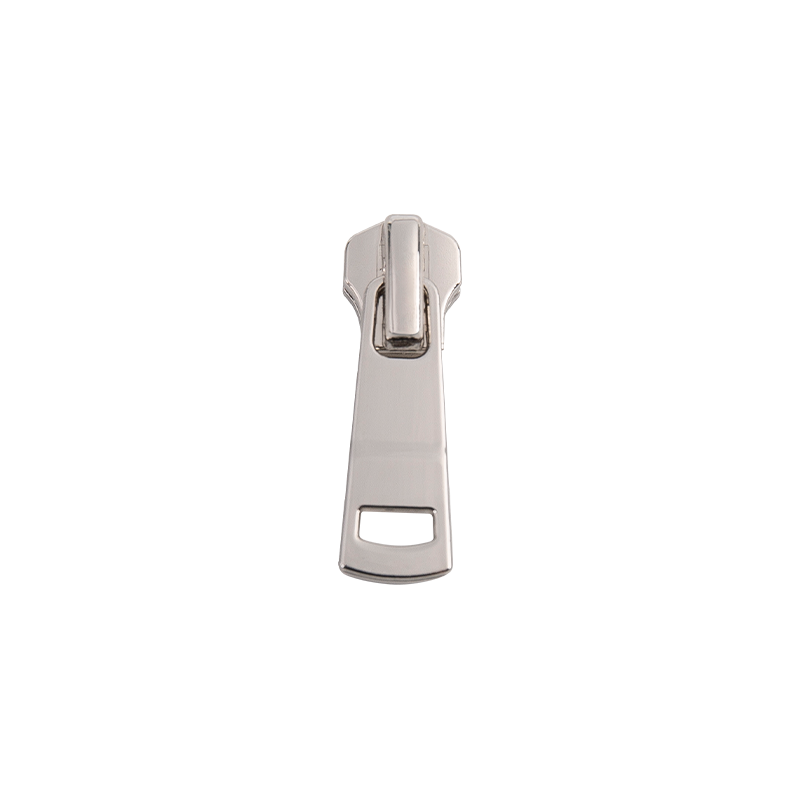
The slider is the mechanical component that interlocks or separates the zipper teeth, while the puller (or tab) is the handle used to move it. Though small, their design directly affects zipper performance, durability, and user experience. Understanding their construction, compatibility, and failure modes is key to effective repair or product design.
Slider Anatomy and Function
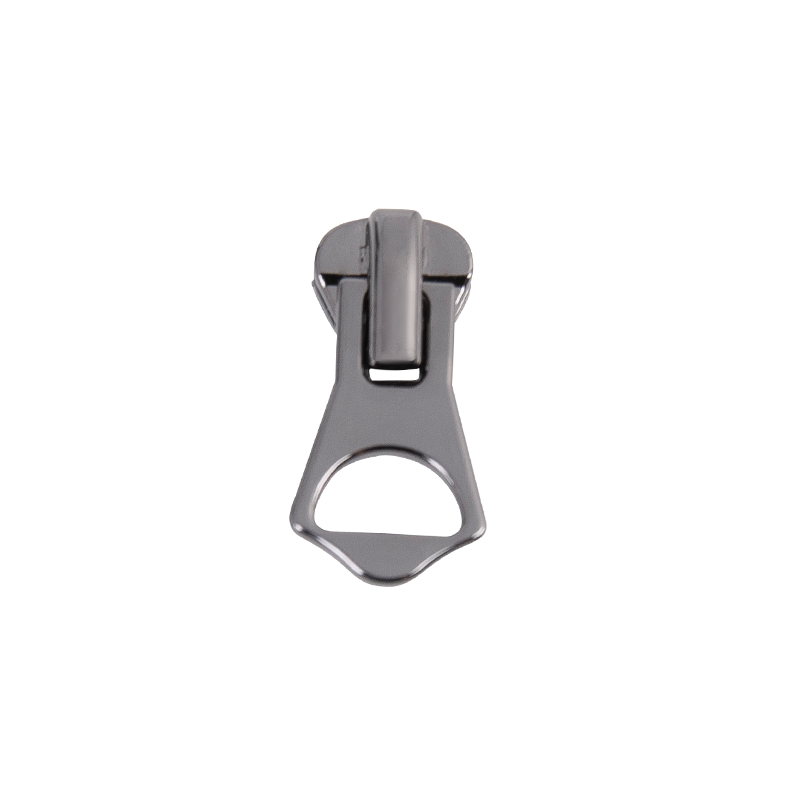
A zipper slider consists of three critical zones: the inlet (where teeth enter), the channel (where teeth mesh), and the outlet (where interlocked teeth exit). Precision in the channel’s internal geometry determines whether the zipper runs smoothly or jams. Even a 0.1 mm deviation can cause misalignment, especially in fine-tooth zippers like #3 or #5.
Sliders also feature a retention spring or dimple that prevents unintentional opening. In auto-lock sliders—common in backpacks and luggage—a spring-loaded pin engages with the puller stem to hold position under load. Non-lock sliders, used in garments, rely on fabric tension to stay closed.
Materials and Durability Comparison
Slider and puller materials vary by application, balancing cost, strength, and corrosion resistance:
| Material | Typical Use | Pros | Cons |
|---|---|---|---|
| Zinc Alloy (Die-Cast) | Premium apparel, luggage | Strong, precise, holds plating well | Prone to corrosion if uncoated; heavier |
| Nylon/Plastic | Outdoor gear, lightweight bags | Corrosion-proof, quiet, lightweight | Less durable under high stress; wears faster |
| Stainless Steel | Marine, military, medical | Extreme corrosion resistance, long life | Expensive; harder to install |
For saltwater exposure, stainless steel sliders outlast zinc by over 5× in accelerated aging tests (ASTM B117).
Zipper Gauge Compatibility
Sliders are not universal—they must match the zipper chain gauge (e.g., #3, #5, #8, #10). The number refers to the approximate width in millimeters when the zipper is closed. Using a #5 slider on a #8 coil zipper will result in poor meshing and rapid tooth damage.
- #3: Lightweight garments (children’s wear, blouses)
- #5: Standard for jackets, backpacks, and sleeping bags
- #8–#10: Heavy-duty applications (duffel bags, tents, industrial covers)
Always check the existing slider or measure the closed chain width—a #5 zipper measures ~5.5 mm across the teeth.
Puller Design and Attachment Methods
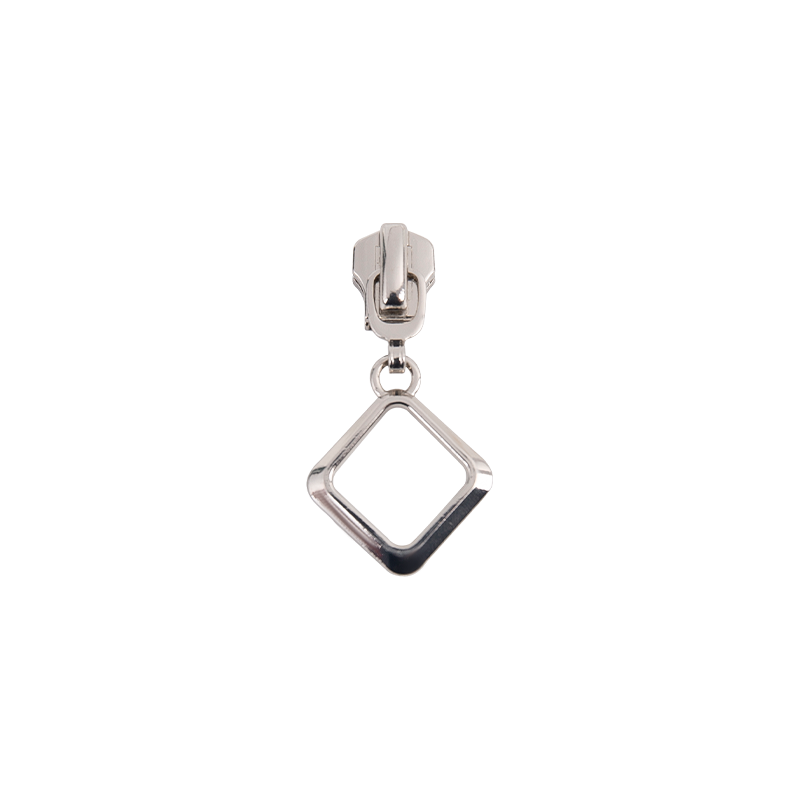
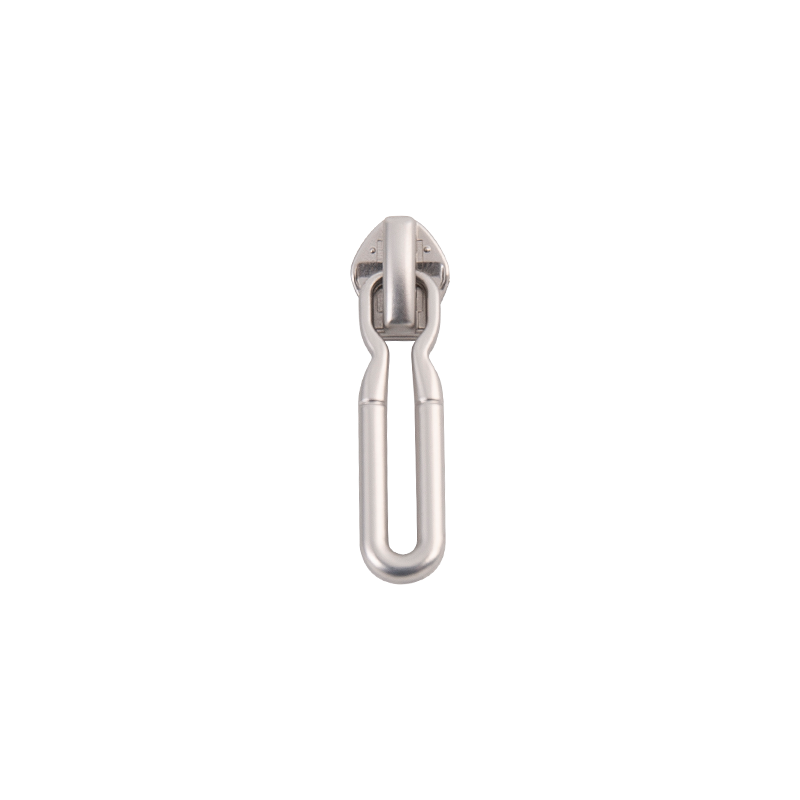
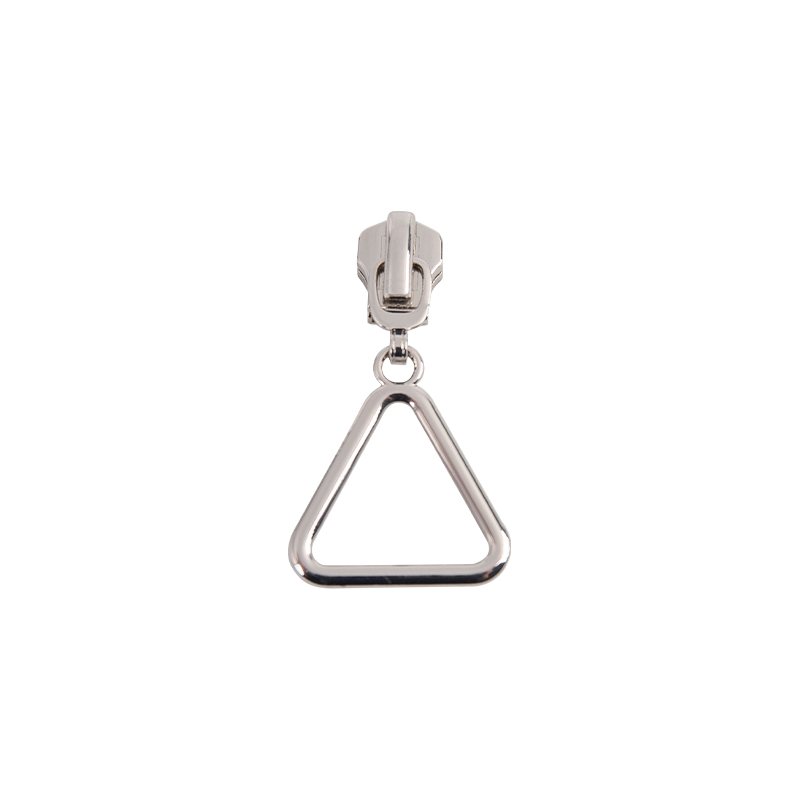
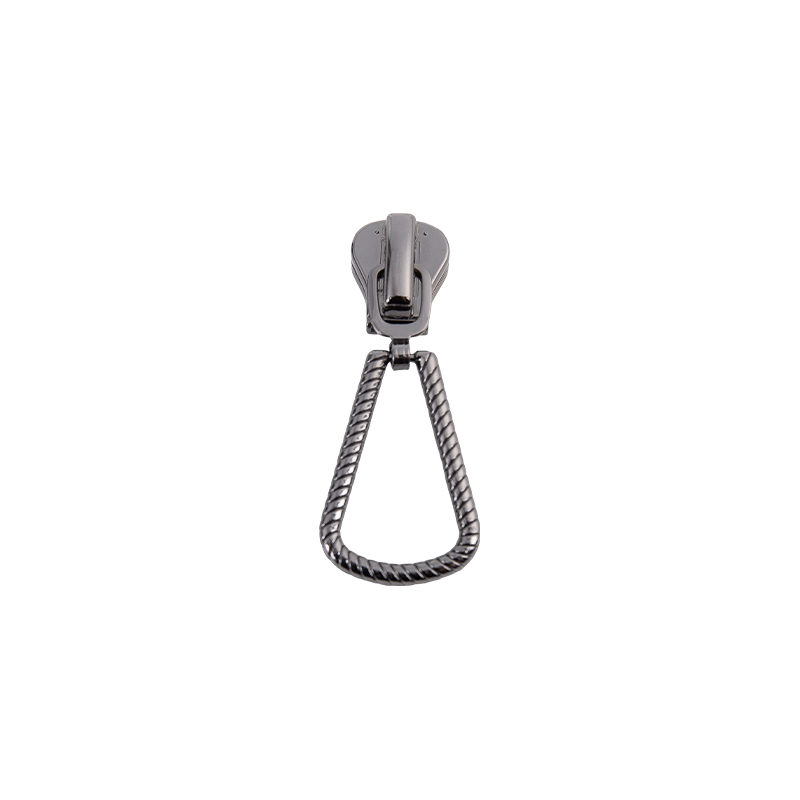
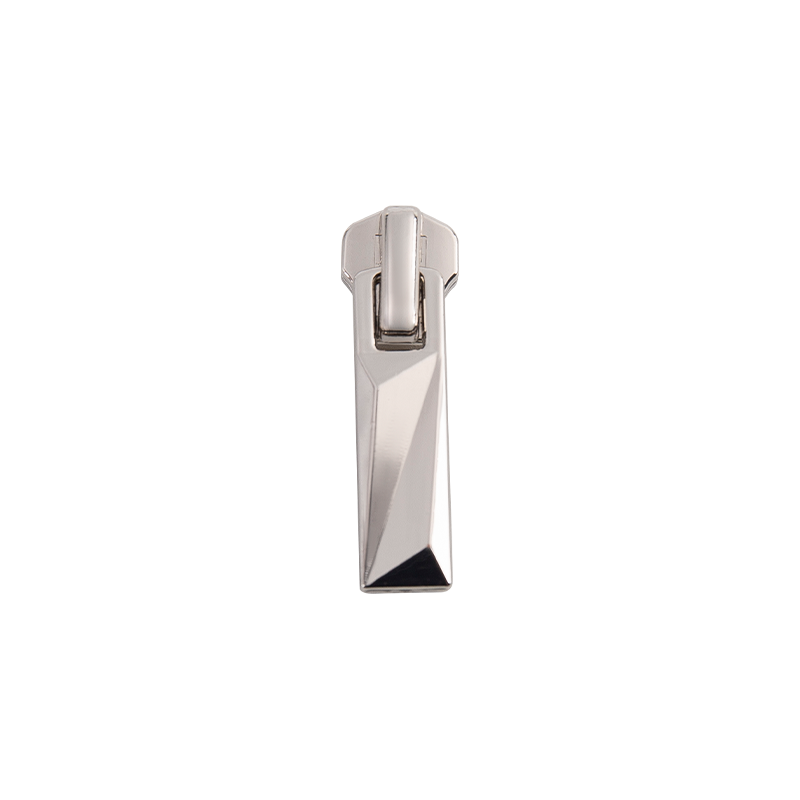
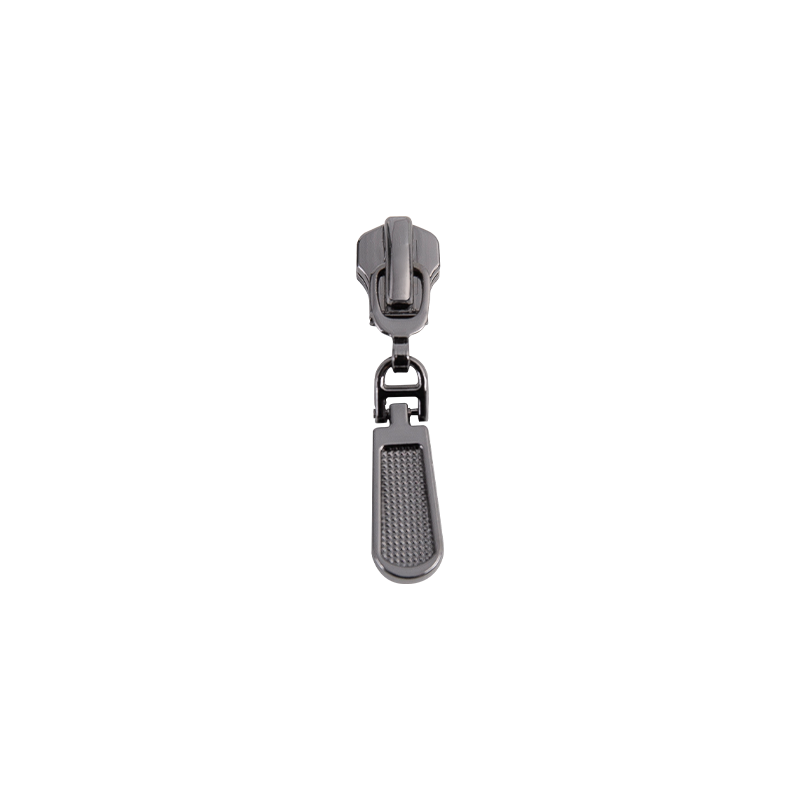
Pullers attach via a stem that inserts into the slider’s puller hole. Common types include fixed (riveted), removable (snap-in), and cord-loop styles. Removable pullers allow customization—hikers often replace stock tabs with paracord loops for gloved use.
The stem diameter must match the slider hole: standard sizes are 1.8 mm, 2.2 mm, and 2.5 mm. A mismatch causes wobbling or detachment. High-end brands like YKK use proprietary locking mechanisms (e.g., “RL” or “NP” series) that require exact replacements.
Common Failure Modes and Fixes
Most zipper problems originate in the slider or puller:
- Slider won’t stay closed: Worn internal channel or broken auto-lock spring—replace slider.
- Puller broke off: Drill out the old stem and insert a new puller with matching stem diameter.
- Slider jams frequently: Often due to misaligned teeth, but a worn slider exacerbates the issue—clean and replace if channel is deformed.
A temporary fix for a slipping slider is to crimp the rear ears gently with pliers—but this risks cracking metal sliders and should only be used as a last resort.
Sourcing and Replacing Components
Replacement sliders and pullers are widely available from hardware suppliers, sewing stores, and online retailers. For best results, identify the zipper brand (YKK, Riri, Lampo, etc.) and gauge. YKK sliders, for example, are marked with tiny codes like “5VS” (size 5, vislon/coil, standard).
Universal sliders exist but may not match the original’s finish or function precisely. For high-use items like tactical vests or marine dry bags, OEM-spec parts are worth the extra cost—field tests show branded sliders last 2–3× longer than generic equivalents under cyclic loading.
Design Tips for Product Developers
When specifying zippers for new products, consider user context. Outdoor gear benefits from large, glove-friendly pullers and corrosion-resistant sliders. Children’s clothing should use plastic sliders to avoid pinch injuries. For silent operation (e.g., photography bags), nylon sliders with rubberized pullers reduce noise by up to 15 dB compared to metal.
Finally, always test zippers under real-world conditions—thermal cycling, UV exposure, and repeated open/close cycles reveal weaknesses long before market launch. A well-chosen slider and puller aren’t just components—they’re critical touchpoints in the user experience.